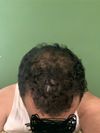
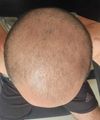
Dutasteride is often more effective than finasteride for blocking DHT, but results vary and some may experience side effects. Combining minoxidil with either medication can improve hair regrowth, but switching doesn't guarantee better results for everyone.
The conversation discusses using a 4-in-1 spray containing minoxidil, tretinoin, caffeine, and melatonin for hair loss. Users consider the potential benefits of combining these ingredients, with some interest in a comprehensive approach to treatment.
A male experiencing crown and frontal baldness, along with overall hair thinning, is considering starting topical minoxidil and oral finasteride. He seeks advice on dosages, potential side effects, application tips, and whether to consult a dermatologist before beginning treatment.
Finasteride and creatine are discussed for hair loss, with mixed opinions on creatine's impact. Some users report no hair loss with creatine, while others experience shedding, but finasteride is generally seen as effective.
People are sharing their experiences with different dosages of dutasteride and finasteride for hair loss. Many report shedding initially but some see improvements over time, with some also using minoxidil.
A user is considering a hair transplant combined with dutasteride and oral minoxidil to improve results despite having a large bald area. They seek advice on whether this combination is worth trying.
The conversation discusses experiences with Haircross Hair Growth Serum, which contains Redensyl, Capixyl, Procapil, Anagain, and Baicapil, as an alternative to Minoxidil and Finasteride. Users report mixed results, with some experiencing no regrowth and others noting slight thickening, but concerns about side effects and effectiveness compared to standard treatments remain.
Haircafe is generally trusted for hair loss information, particularly for his evidence-based approach and recommendations of finasteride, dutasteride, and minoxidil. While some users appreciate his scientific focus and lack of product promotion, others criticize his dismissal of anecdotal evidence and certain biases.
Switching from finasteride to dutasteride led to significant hair thinning and receding for the user, despite using topical minoxidil daily. Many users suggest that shedding is common with dutasteride, but some recommend returning to finasteride if no improvement is seen after a year.
The conversation discusses hair transplants, including the use of techniques like FUE and the importance of a good donor area to avoid visible bald patches. It also touches on alternative treatments like Minoxidil, Finasteride, and Pyrolutimide, and debates the idea of embracing baldness versus seeking treatments.
An 18/19-year-old male started balding at 16 and initially saw hair growth with minoxidil, but results diminished over time. He switched dermatologists and is now using a regimen of topical finasteride, minoxidil, vitamin D, and supplements, hoping for better results.
The conversation discusses the lack of clinical studies on cysteine alone for hair loss, with the original poster already using medications like Minoxidil and finasteride. Suggestions include trying 2ddr as a growth stimulant, though concerns about side effects like gas are mentioned.
A user is experiencing hair loss despite using dutasteride and oral minoxidil, feeling hopeless and considering a hair system. They are advised to try ketoconazole, seek a second opinion from a dermatologist, and consider treatments like finasteride, RU58841, and hair transplants.
Exercise temporarily increases DHT levels, but this is unlikely to cause significant hair loss. Finasteride and minoxidil are effective treatments to manage hair loss.
The conversation is about potential causes of hair loss and treatments, including topical and oral minoxidil, finasteride, and dutasteride, with a focus on checking for vitamin deficiencies and conditions like Lichen Planopolaris. It also discusses the skepticism around certain tests and the success of hair transplants.
A user shared their 16-month progress using a minoxidil and finasteride spray combo, showing significant hair regrowth. The discussion includes praise for the results, questions about treatment specifics, and debates on the effectiveness of topical versus oral finasteride.
The conversation is about a user sharing their hair regrowth progress using dutasteride, topical minoxidil, and weekly derma stamping. The user reports significant improvement without side effects, and others discuss the effectiveness and techniques of derma stamping.
Characters in film and TV often use treatments like minoxidil, finasteride, and Propecia for hair loss, sometimes humorously. Examples include George from "Seinfeld," Tobias from "Arrested Development," and characters from "Better Call Saul," "The Simpsons," and "Modern Family."
A user experienced continuous hair shedding for 13 months after starting finasteride, suspecting it might cause chronic telogen effluvium, and considered switching to dutasteride or stopping medication. Other users suggested that finasteride doesn't cause hair loss, recommending dutasteride for more aggressive hair loss, while some advised against stopping medication.
A 22-year-old is experiencing significant hair shedding and is using multiple treatments, including oral and topical minoxidil, finasteride, topical dutasteride, ketoconazole shampoo, and considering adding RU58841 and stemoxydine. Others advise patience, suggesting sticking to finasteride and minoxidil for at least a year before evaluating results, as initial shedding is normal and adding too many treatments can be counterproductive.
The conversation discusses combining topical and oral finasteride to address hair thinning, with concerns about safety and effectiveness. Users also mention alternatives like dutasteride and minoxidil, and the potential risks of topical treatments during pregnancy.
Finasteride users discussing creatine's impact on hair loss. Most believe creatine doesn't significantly affect hair, with some reporting no issues and others experiencing thinning.
Finasteride users have mixed experiences with creatine; some experience increased hair loss, while others do not. Finasteride's DHT-blocking effects might counteract any DHT increase from creatine, but individual responses vary.
DHT sensitivity at the scalp increases with age, contributing to androgenic alopecia. Treatments like Minoxidil, finasteride, and RU58841 are discussed for managing hair loss.
The user shared progress photos of hair regrowth using a topical spray with 0.3% finasteride and 6% minoxidil, applied daily. They experienced significant shedding initially, but hair loss stopped and noticeable regrowth began around 16-18 months, with improved hair color and no side effects.
A 21-year-old male has been on a hair loss treatment for 6 months using finasteride, oral minoxidil, and ketoconazole shampoo, with slight improvement noted by his dermatologist. He is considering adding topical spironolactone, switching to dutasteride, increasing minoxidil dosage, or trying PRP injections for better results.
A 27-year-old male with ADHD is experiencing hair thinning and is starting a treatment with topical finasteride (0.025%) and minoxidil (5%). He is addressing high prolactin levels and low vitamin D, while managing side effects from ADHD medication.
The conversation discusses the potential of using topical estrogen treatments for hair loss without systemic absorption, highlighting challenges and possible solutions like using estriol. It also mentions other treatments like topical finasteride, microneedling, and scalp massage, while noting the limitations and side effects of current options.
The conversation is about starting finasteride for hair loss, with concerns about high free testosterone and potential side effects like gynecomastia. The user plans to address vitamin deficiencies before beginning the treatment.