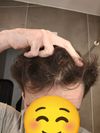
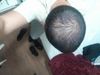
Creatine may cause hair shedding and texture changes, with mixed user experiences. Combining creatine with finasteride doesn't always prevent these effects, possibly due to individual DHT sensitivity.
A 20-year-old female is considering whether to continue using minoxidil for hair loss after recovering from an eating disorder and iron deficiency. She is concerned about hair shedding and is advised to focus on nutrition and iron intake, with the option to taper off minoxidil gradually if she chooses to stop.
Minoxidil is extremely toxic to cats, even in small amounts, and can be fatal. Switching to oral minoxidil is safer for cat owners, but precautions should still be taken to prevent exposure.
A 22-year-old is concerned about a receding hairline and has been using minoxidil for 5 months without seeing new growth. Suggestions include continuing minoxidil for up to a year, considering finasteride, and possibly a hair transplant.
Oral minoxidil can cause severe side effects, including heart issues, even at low doses. Users suggest starting with a lower dose or using topical treatments to minimize risks.
The user is considering switching from topical to oral minoxidil for convenience and better hair regrowth, despite concerns about side effects. They are also tapering off finasteride while starting dutasteride.
A user in Slovakia struggles to get finasteride for hair loss and considers using the UK-based Hair Repair Clinic, which others have used successfully for finasteride and dutasteride. The clinic offers quick service and ships medications directly, but it's unclear if they deliver to Slovakia.
A user bought Kirkland Minoxidil from a TikTok shop and sought confirmation of its authenticity through a bleach test, which some users warned could be dangerous. Many participants advised against buying from TikTok due to the risk of fakes, suggesting alternatives like buying from Costco or reputable online pharmacies.
The conversation discusses unconventional methods of taking finasteride, with suggestions ranging from crushing it into coffee to using pill boxes or reminders. Users also humorously suggest alternative methods like mixing with food or drinks, but generally advise against altering the pill's form.
Finasteride and Dutasteride will remain accessible in the EU despite objections from France and Belgium. Users discuss the ease of obtaining these medications in different countries and express relief and support for the EU's decision.
The user has been using dutasteride for 8 months and added oral minoxidil 1.25mg for 4 months, seeing improved hair density despite minor shedding. They are considering increasing the minoxidil dose to 2.5mg due to concerns about side effects.
Collagen peptides are recommended for hair and skin benefits, with users noting improvements in hair and skin health. However, evidence on their effectiveness for hair growth is inconclusive.
Minoxidil is highly toxic to cats and can be fatal with minimal exposure. Users suggest switching to oral minoxidil or taking precautions to prevent pet exposure.
Managing blood pressure can help with hair loss, as seen with the use of medications like Cialis and oral minoxidil, which improved hairline and blood pressure. Lifestyle changes, such as reducing stimulant use and adjusting testosterone replacement therapy (TRT) doses, also play a role in addressing hair loss and overall health.
Finasteride can increase estrogen levels, causing dizziness and nausea. Users discuss adjusting treatment and diet, and explore alternatives for hair loss management.
Combining 0.5 mg oral finasteride with topical finasteride and minoxidil during an Enclomiphene cycle may help manage increased DHT levels. Monitoring for side effects is advised.
Developing new hair loss treatments is challenging due to the complexity and cost of trials, and a permanent cure is unlikely soon. Current treatments like Minoxidil and finasteride are used continuously because hair loss is progressive, and future possibilities include gene editing and hair cloning.
The user is considering adding a topical treatment to their current regimen of finasteride and oral minoxidil to protect their temple area, with options like piro, RU58841, or topical finasteride or dutasteride. They are advised against overcomplicating their treatment, but another user suggests a topical with 8% minoxidil/dutasteride for better results.
Creatine does not cause hair loss, but it may accelerate hair loss in those predisposed to male pattern baldness. Finasteride users report mixed experiences with creatine, with some noticing no change and others experiencing increased shedding.
The conversation discusses the effects of using Tongkat ali and dioscorea to raise DHT levels, leading to increased body hair growth and an itchy scalp, without causing hair loss. The discussion also debates the role of DHT in male characteristics and its impact on sexual function, with differing opinions on its importance and effects.
The user has been using finasteride and minoxidil for five years but continues to experience hair thinning and density loss. They are considering switching to dutasteride for potentially better results.
A user shared their one-year hair loss treatment progress using oral finasteride, topical finasteride/minoxidil, and microneedling, reporting no current side effects and significant hair improvement. They also use Head & Shoulders for dandruff control and recommend consistency in treatment.
Increased hair loss after starting a 10g daily creatine regimen, possibly linked to elevated DHT levels despite dutasteride use. Stopping creatine reduced shedding, but the exact cause is uncertain, with discussions on exercise and lifestyle impacts.
The conversation discusses hair loss treatments, recommending starting with finasteride and minoxidil, possibly adding dutasteride later. Users suggest using a combination of oral and topical treatments, micro-needling, and nizoral shampoo, while emphasizing realistic expectations and the need for lifelong commitment to treatment.
People recommend using Nizoral, The Ordinary Multi-peptide Hair Serum, Minoxidil, and 2% ketoconazole shampoo for hair loss. The Ordinary serum is noted for creating an illusion of thickness rather than promoting regrowth.
Creatine does not directly cause hair loss, but it may increase DHT levels, which can affect hair. Some users report hair shedding with creatine, while others experience no hair loss.
Creatine may cause increased hair shedding in some individuals, especially those with androgenetic alopecia (AGA), despite its physical performance benefits. Many users report stopping creatine to reduce hair loss, while others believe the effects are anecdotal or due to other factors like increased physical activity.
Dutasteride is more effective than finasteride for some in stopping hair loss and promoting regrowth, with fewer side effects. Oral minoxidil is also used for regrowth, but there are safety concerns, especially for younger users.