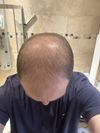
The conversation discusses sourcing pure latanoprost from the gray market for research and making a homemade solution. Concerns about potential dangers and experiences with this method are raised.
The conversation discusses using a dropper to apply Minoxidil for hair loss treatment. The user seeks advice on the appropriate number of drops to use.
Minoxidil (Lipogaine) and Ketoconazole shampoo (Regenepure) are recommended for hair loss treatment, while finasteride is considered risky due to potential side effects. Biotin is not advised due to possible health risks, and the user emphasizes the emotional impact of hair loss and the hope for a future cure.
The conversation is about using a DHT-blocking supplement alongside finasteride for hair loss. The user decided against the supplement and increased their finasteride dose from 1 mg to 2.5 mg per day.
The user has been taking 2.5 mg of oral minoxidil daily since mid-January and has used finasteride for about five years, noting a decrease in its effectiveness. They are questioning whether their hair appears thicker due to minoxidil or if it's just longer.
The user experienced positive hair growth using oral minoxidil (2.5mg) and finasteride (1mg) nightly, with no side effects or shedding. They assert the results are genuine despite others' skepticism.
Dutasteride may cause chronic infertility by reducing semen volume and motility, with concerns about irreversible prostate fibrosis. Users consider switching to finasteride or using treatments like minoxidil and microneedling, weighing hair preservation against fertility.
Finasteride, minoxidil, and RU58841 are discussed as treatments for hair loss, with varying opinions on their effectiveness and side effects. Some users believe side effects are rare or psychological, while others emphasize the importance of considering potential side effects.
The user shared progress pictures showing hair improvement from September to December using topical finasteride 0.3% and minoxidil 6%. The treatment appears to be effective for hair loss.
The effectiveness of microneedling as a hair loss treatment, with evidence from studies and anecdotal accounts from other users. It is suggested that combining microneedling with minoxidil or finasteride may be more effective than using microneedling alone, although some people have had success using only microneedling.
The user switched from finasteride to dutasteride due to hairline recession but noticed further hair loss and is seeking new dermatological advice. They are concerned about the effectiveness of dutasteride and are looking for help.
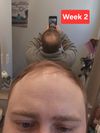
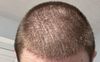
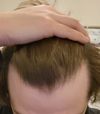
The user is experimenting with GHK-Cu and AHK-Cu to stop hair loss and promote hair growth, using a serum from Etsy and injectable GHK-Cu. They supplement this with dermastamping and ketoconazole shampoo.
The user initially started finasteride at 5mg unknowingly, then experimented with various minoxidil formulations, leading to inconsistent results and hair loss. They resumed treatment with topical finasteride and minoxidil, seeing some regrowth, and are now using a more structured regimen while considering a hair transplant.
The user is feeling discouraged after seven months of using finasteride and minoxidil with no visible results for hair loss. Suggestions include continuing treatment for up to 12 months, considering microneedling, checking for deficiencies, and possibly trying dutasteride or oral minoxidil.
The user shared their positive experience with a hair transplant in South Korea, highlighting thorough consultations, consistent medical team involvement, and reasonable pricing. They noted good growth and natural-looking results after several months, with stem cell PRP treatment included to support graft survival.
A 44-year-old experienced hair regrowth after a snowboarding injury using detox, diet changes, vitamins, collagen, krill oil, and scalp massages, without Minoxidil or finasteride. Another person was skeptical, suggesting these methods may not work for everyone.
The conversation discusses starting hair loss treatments and concerns about side effects. Treatments mentioned include Minoxidil, finasteride, and RU58841.
A 17-year-old is addressing hair loss with finasteride, topical minoxidil, and microneedling. They are considering adding GHK-Cu to their regimen, but others advise caution with finasteride due to age.
The user shared progress pictures of hair loss treatment using finasteride, minoxidil, and microneedling, expressing hope for recovery after an 8-9 month break. They seek advice on restarting treatment and are optimistic about regaining previous results.
The user is documenting their hair regrowth journey using oral finasteride, topical minoxidil, ketoconazole, dermarolling, biotin shampoo, and rosemary oil. They are committed to maintaining this regimen to track progress.
A 39-year-old user experienced hair regrowth using oral dutasteride, oral minoxidil, dermastamping, and Nizoral shampoo after switching from finasteride and topical minoxidil. They are hopeful for significant improvement in their receding hairline.
The user shared progress pictures showing hair improvement after using topical finasteride and minoxidil since October 2024. The photos were taken in June 2025.
A 22-year-old male is on day 77 of using 1 mg finasteride for hair loss. He reports decreased oiliness and shedding but is unsure about overall progress.
The user has been using oral minoxidil, finasteride, and ketoconazole for hair loss but feels their condition has worsened over six months. They are considering whether to continue with the current treatment or try additional methods.
A 25-year-old is using finasteride for hair loss and plans to start minoxidil and ketoconazole shampoo soon. They hope to see hair regrowth and will continue to shave their head while monitoring progress.
A 20-year-old has been using finasteride and minoxidil tablets for over six months with minimal hair improvement. They also use topical minoxidil twice daily and recently started derma rolling, questioning if a hair transplant is necessary.
Visible hair improvement after 10 weeks using minoxidil, estradiol enanthate, acetophenide algestone, and bicalutamide. The user is a 25-year-old male with reduced testosterone levels, expressing a preference for less masculinity.
The user is starting microneedling for hair loss and is concerned about cleaning the needles and post-treatment care, including sun exposure and applying products like rosemary oil. They use a microneedling pen and are seeking advice on timing and technique.
People discussed switching from finasteride to dutasteride for hair loss treatment. They reported satisfaction with dutasteride, noting it was more effective than finasteride, particularly after finasteride's effects diminished, and some experienced additional benefits like cost savings and stabilized hair loss, rating dutasteride highly as a treatment.

![[GHK-Cu+AHK-Cu experiment] Stopping hair loss and promoting hair growth](/images/assets/a2fe9e48-31eb-4e92-a763-614a7d32f7cd/small/20559.jpg)