Balding scalps have more androgen receptors, leading to increased TGF-beta, which causes blood vessel loss and hair follicle miniaturization. Blocking androgen signaling and TGF-beta may help prevent hair loss.
A user shared that Garnier Fructis SOS repair shampoo with amla oil and liquid vegetal keratin helped with their dry and itchy scalp. They have been using finasteride and minoxidil for a year and found this shampoo effective after trying many others.
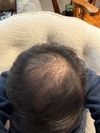
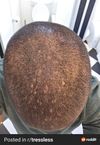
User shares progress update on hair loss treatment using finasteride, minoxidil, and microneedling. Others congratulate and ask questions about treatment details, such as microneedling tool, needle size, and side effects.
Microneedling may enhance hair regrowth by transferring stem cells to dormant follicles, improving the effects of minoxidil. Users discuss using microneedling with needle lengths around 1.5mm to stimulate hair growth.
HairClone is developing cell replacement treatments to rejuvenate and generate hair follicles, and has launched a crowdfunding campaign. A user expressed skepticism about the need for crowdfunding.
The post discusses dealing with dry, frizzy hair while using Minoxidil. The user suggests avoiding alcohol-based products and considering silicone shampoo to protect hair.
Chronostim is a hair treatment with separate day and night formulas containing ingredients like lauric acid, glycyrrhetinic acid, and piroctone olamine. Users discuss its effectiveness for hair loss.
Kintor's Phase II U.S. trials for pyrilutamide and the process of pharmaceutical drugs coming to market, with a reply from someone who has just ordered 500mg of Pyrilutamide to start their own phase trials.
A user's transformation from an accountant to a spartan with a full beard, discussing the potential of DUPA and alopecia areata, as well as treatments like vitamins, topicals, and natural treatments for potential regrowth.
Extended-release oral minoxidil (VDPHL01) shows promising results for hair growth with improved safety, achieving significant hair count increases and minimal side effects compared to placebo. The treatment is designed to maintain effective concentrations while reducing side effects, making it a safer option for those who cannot tolerate standard minoxidil.
The user lost gym motivation after taking finasteride for four months, possibly due to its effect on DHT levels. Suggestions include adjusting dosage, trying topical treatments, using caffeine, checking testosterone levels, and considering supplements like SSRIs or pregnenolone.
Oral minoxidil users should monitor heart health with periodic echocardiograms and cardiologist visits due to potential side effects. While some experience serious side effects, they are rare, and the benefits for hair growth often outweigh the risks.
The conversation discusses the use of dutasteride (0.5 mg daily) for hair loss, with additional treatments like minoxidil, derma rolling, and nizoral shampoo. The user reports positive progress over two years with no significant side effects, emphasizing the importance of consistency and patience.
The user plans to switch from topical to oral finasteride (1mg/day) and minoxidil (3mg/day) due to unsatisfactory results with topical treatments. They seek advice on the effectiveness, potential side effects, and the timing for considering a hair transplant, with recommendations to monitor health metrics like blood pressure and conduct thorough bloodwork before starting.
An 18-year-old experiencing balding since age 15 is seeking alternatives to minoxidil for hair regrowth, currently using rosemary oil and a 0.5mm derma roller. They are unsure about the proper use of these treatments.
People discussed using finasteride, minoxidil, and dutasteride for hair loss, with mixed results and side effects. Some had positive outcomes, while others experienced issues like libido changes and chose alternatives like hair systems.
A 41-year-old South Asian individual feels hopeless about hair loss and cannot use oral finasteride or dutasteride due to existing gynecomastia. They are seeking advice on alternative treatments.
A user in Egypt is seeking alternatives to oral minoxidil, which is banned there, after stopping topical minoxidil due to concerns for their cat's safety. Suggestions include drinking diluted topical minoxidil or making homemade minoxidil tablets, but these methods carry significant risks and are not recommended.
A 25-year-old male is experiencing hair thinning at the hairline and vertex, considering using a dermapen or dermastamp, and seeking advice on whether to continue with natural remedies like onion juice and rosemary oil or start using minoxidil or finasteride. He is also looking for recommendations on microneedling devices.
The user noticed small circular hairless spots after a buzz cut and has been using finasteride, dutasteride, and oral minoxidil for hair loss. They are experiencing continuous shedding and thinning, and it is suggested they consult a dermatologist for a scalp examination and possible biopsy to determine if it's alopecia areata or androgenetic alopecia.
The conversation discusses skepticism about new hair loss treatments, with many users expressing doubt about their effectiveness compared to existing treatments like minoxidil and finasteride. Some users mention natural oils like olive and macadamia oil, but overall, there's a consensus that these are unlikely to be game changers.
Pelage Pharmaceutical raised $120 million to continue research on PP405, a promising hair loss treatment that showed a 20% increase in hair density in 31% of men during a Phase 2a trial. The treatment was well-tolerated, with no systemic absorption, and Phase 3 trials are planned for 2026.
A user considered restarting finasteride for hair loss despite past side effects, which worried their girlfriend. Others suggested alternatives like topical treatments or lower doses and emphasized prioritizing well-being and relationship stability.
A person had a successful hair transplant in Turkey with 3200 grafts using FUE and DHI techniques, and is satisfied with the results after 9 months. They have been using finasteride for 7 years to maintain hair health.
The user used microneedling, zinc, vitamin D3, biotin, magnesium, saw palmetto, pumpkin seed oil, and a DHT-blocker shampoo with biotin for hair loss. They are considering adding minoxidil due to stagnation in progress.
The conversation discusses the potential impact of creatine on hair loss, with some users sharing personal experiences of increased shedding while others argue there's no scientific evidence linking creatine to hair loss. The original poster switched from finasteride to dutasteride and is considering resuming creatine after monitoring its effects on hair loss.
Finasteride is effective in promoting hair growth and reversing hair miniaturization in men with androgenetic alopecia, with improvements seen in various studies over different durations. Some users report initial side effects like ball ache, which often resolve as the body adjusts.
Lighting can significantly affect the perception of hair progress in photos. The user has been using dutasteride and oral minoxidil for hair loss, noting improvements after switching from finasteride.
A 27-year-old shared a 90-day hair loss treatment update using Dutasteride, Minoxidil, Tretinoin, Ketoconazole, and microneedling, reporting positive results with improved hairline and density. They experienced minor side effects and noted a decrease in hair shedding.