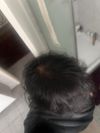
The user is experiencing hair thinning at the crown and midscalp and is seeking advice. They are considering treatments like Minoxidil, finasteride, and RU58841.
The user is experiencing an itchy scalp and acne while using oral dutasteride and minoxidil for hair loss. They are considering stopping minoxidil to see if symptoms improve and possibly switching to finasteride if needed.
The user has been using finasteride for six months to address hair loss and is considering adding topical minoxidil. Feedback suggests some progress with hair density, but noticeable changes may take more time.
The conversation discusses hair loss treatments, with some users expressing skepticism about finasteride and recommending shampoos like BondiBoost or Pura D'or. One user mentioned switching from oral minoxidil to a serum for thicker, healthier hair, while another found shampoo helpful alongside finasteride for scalp health and hair thickness.
Switching milk brands cleared scalp inflammation and other symptoms, but hair shedding continues. The user hopes shedding will stop as hair cycles progress.
An 18-year-old is frustrated with a dermatologist who prescribed shampoos and Betnovate instead of Minoxidil and Finasteride for hair loss and seborrheic dermatitis. The user feels misled and is considering giving up on dermatologists.
A 22-year-old user shared progress pictures after 5.5 months of using a topical solution containing Minoxidil and Finasteride for hair loss, noting increased hair density and reduced hair fall despite inconsistent application. The user recently switched to oral Dutasteride and Minoxidil due to difficulty with topical solutions and plans to update after a year.
The user is struggling with seborrheic dermatitis and plans to try ciclopirox olamine after finding ketoconazole too drying. They are also using finasteride daily.
The user has been using finasteride 1mg and minoxidil 5% spray for 19 months but continues to experience hair shedding and has not seen improvement with ketoconazole or tretinoin. They are considering a hair transplant in the future while maintaining current treatments.
A 25-year-old male experienced significant hair regrowth over three months using 1mg finasteride, 2.5mg oral minoxidil, and 5% topical minoxidil, with minimal side effects. He noticed some regrowth on the sides and is regaining confidence.
Male pattern baldness can occur with or without an oily scalp, but an oily scalp and seborrheic dermatitis can worsen the condition. Treatments like finasteride, minoxidil, and ketoconazole shampoo are used, and managing diet and scalp care can help control symptoms.
A 26-year-old African American male is experiencing hairline recession and thinning despite using 0.5mg finasteride daily and topical minoxidil. He is considering increasing finasteride dosage, returning to twice-daily minoxidil, or switching to dutasteride for better results.
The user achieved significant hair regrowth in 2.5 months using 2.5mg oral minoxidil, 1mg finasteride, weekly microneedling, and ketoconazole shampoo. Microneedling with a derma stamp was particularly effective, and the user also uses topical minoxidil at night.
The conversation discusses hair loss treatment with finasteride, where the user is experiencing shedding and concerns about regrowth. Users advise patience, suggesting that visible improvement may take 6-12 months or longer, and recommend continuing the treatment.
A user with scalp psoriasis and hair loss is hesitant to use topical minoxidil and finasteride due to concerns about psoriasis and potential side effects. They are considering alternatives like pumpkin seed and saw palmetto.
The conversation is about choosing a second shampoo to use alongside Nizoral for hair loss treatment. Suggestions include Nioxin, baby shampoo, Lipogaine, and Revita, with some users recommending letting the shampoo sit for a few minutes before rinsing.
Using tretinoin with minoxidil can cause burning and flaky skin due to alcohol in minoxidil and tretinoin's effects. Solutions include using minoxidil foam, starting with low tretinoin doses, moisturizing, and gradually increasing usage.
Filtered shower heads may improve scalp and hair health but do not affect male pattern baldness (MPB). Genetics and factors like DHT and scalp tension are more significant in hair loss.
Managing seborrheic dermatitis using ketoconazole shampoo, Nizoral, and oils like MCT and coconut oil. The user considers shaving their head and consulting a dermatologist.
The user is exploring hair loss treatments in China, currently using finasteride and minoxidil, and is concerned about seborrheic dermatitis. Clinics are recommending selenium sulfide, doxycycline, and mesotherapy ampoules like PT88/PT66 or SP88/SP66, but the user is unsure about their effectiveness.
The user shared their hair growth journey using minoxidil, finasteride, and ketoconazole shampoo, along with vitamins and serums, reporting significant progress in five months. They emphasized the importance of stress management and plan to add a derma roller, castor oil, and a high-protein diet.
A user shared their experience using 5% minoxidil twice daily, 1 mg finasteride daily, and weekly derma stamping for hair loss, noting no crown thinning but front diffuse thinning and hairline issues. They experienced fewer side effects on 0.5 mg finasteride but returned to 1 mg, and did not experience shedding after starting treatment.
The user shared a 6-month progress update on hair loss treatment using Dutasteride (0.5mg), Minoxidil (5%), and Dermanator 2. They reported improved hair density and coverage, especially in the crown/mid-scalp, and are focusing on enhancing the hairline.
The user experienced significant hair improvement over nine months using a routine of oral finasteride, mixed topical and oral minoxidil, microneedling, and Head & Shoulders shampoo. The user attributes the progress to oral minoxidil and reduced stress during paternity leave.
Hot weather can increase hair shedding, possibly due to dehydration and active sebaceous glands. Using shampoos with salicylic acid or zinc pyrithione may help; daily anti-inflammatory use is not recommended.
A user is using topical finasteride, minoxidil, and oral finasteride for hair loss but hasn't seen progress yet. They are considering switching to oral finasteride only due to scalp issues from the topical solution, but are advised to continue the current regimen for at least six months to a year.
Using 2% ketoconazole daily can dry out the scalp; 1-2 times a week is recommended. Combining ketoconazole with treatments like minoxidil, alfatradiol, and fluridil can help manage hair loss effectively.
A user shared their 3-year progress using 0.5mg finasteride daily for hair loss, reporting no side effects and significant improvement after 8-10 months. They are considering increasing the dosage or adding minoxidil for further results.
The user experienced side effects from oral finasteride and tried mixing it with liquid minoxidil but faced application issues. They are seeking a 5% minoxidil foam with a maximum of 0.15% topical finasteride concentration.
Ketoconazole shampoo is primarily used to reduce scalp fungus and inflammation, not to block DHT or androgen receptors. It may help with seborrheic dermatitis and improve scalp health, but its effects on hair loss are minimal compared to treatments like finasteride.