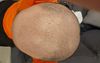
User shared 1-year progress using Finasteride, Minoxidil, and dermarolling with no side effects. Others discussed their experiences and asked questions about the treatments.
A 10 month update on the effectiveness of a hair loss treatment regimen involving minoxidil, finasteride, dermarolling and nizoral. Questions were asked about using minoxidil alone, dermaroller length, age, and when results were seen.
A user's success with the hair loss treatments finasteride, minoxidil, nizoral shampoo and dermarolling; discussion about how to use minoxidil on temples; and the importance of being happy in one's own skin regardless of results.
Double shampooing daily is safe and helps manage oily scalp and dandruff without causing hair loss. Accutane is considered for reducing sebum production despite potential temporary hair loss.
The user is frustrated with ongoing hair loss despite using treatments like dutasteride, finasteride, and minoxidil, and is considering shaving their head. They are advised to maintain consistency with medication, consider oral minoxidil, and explore hair transplant options.
People with diffuse thinning and retrograde hair loss are discussing treatments like finasteride, minoxidil, and dutasteride, with some reporting improvements and others experiencing issues like scalp inflammation and increased sebum. Suggestions include addressing scalp inflammation, considering gut health, and possibly using topical antiandrogens or micro-needling.
The user is struggling with the daily application of topical treatments like Minoxidil and melatonin for hair loss, concerned about the impact on hair cleanliness and texture. They are unsure how to manage the routine without washing their hair daily, which dries it out.
Users are experiencing increased hair shedding despite using treatments like dutasteride, finasteride, minoxidil, hair vitamins, and DHT shampoo. Some note this happens seasonally, while others are concerned their treatments are no longer effective.
The positive effects of one year of treatments with topical minoxidil and oral finasteride for hair loss, with encouraging progress pictures as evidence.
A 30 year-old male's 8 month progress with hair loss treatments, including minoxidil, finasteride, microneedling, scalp massage, and ketoconazole. Another user mentioned the shed being significant.
A user who has been using the "Big 3" hair loss treatments (ketoconazole, minoxidil and finasteride) for 2-3 months and is hoping to see positive results. The other user commented that they look like a hyper responder and asked if they were using oral or topical fin/min.
This conversation is about hair loss treatments, specifically oral minoxidil and finasteride. Users discussed the potential side effects of using these drugs, as well as their experiences with them.
A user's personal hair loss progress with treatments, including finasteride (1.25mg), minoxidil, needling, and Nizoral; and advice from other users on how to perform the needling correctly.
The conversation discusses hair shedding experienced by users undergoing hair loss treatments, including finasteride, minoxidil, and microneedling. Many users report experiencing significant shedding around the 8-12 month mark, which is considered a normal part of the hair regrowth process, with expectations of stronger regrowth following the shedding phase.
The conversation discusses switching from topical to oral Minoxidil for hair loss treatment, with the expectation of better results due to systemic delivery. The user has been using Finasteride, topical Minoxidil, and dermastamping, maintaining hair but seeking more regrowth.
Poor gut health may contribute to hair loss and scalp inflammation, with treatments like finasteride, minoxidil, and Nizoral being used. Improving gut health and addressing inflammation might help alleviate symptoms.
Ketoconazole shampoo can be very drying, especially for curly hair, and may not be suitable for those who need to maintain moisture. Some users suggest using oils or masks to mitigate dryness, while others recommend avoiding it unless necessary for conditions like dandruff.
A 37-year-old man is seeking advice for hair loss treatment, considering options like finasteride and topical or oral minoxidil. A user suggests consulting a doctor and monitoring blood pressure if using oral minoxidil.
The user shared progress pictures showing hair improvement over three months using a treatment of 5% minoxidil and 0.1% finasteride solution, along with occasional biotin and multivitamins. Another user discussed their regimen of topical minoxidil, oral minoxidil, finasteride, iron supplements, and dutasteride, seeking advice on application routines.
2-deoxy-D-ribose is being explored as a hair loss treatment but is not proven effective in humans and may be costly and inconvenient. Minoxidil remains the most effective treatment.
Ketoconazole shampoo may help with scalp health and inflammation but is not a substitute for DHT blockers like finasteride. It is generally considered a minor addition to hair loss treatment, with varying opinions on its effectiveness.
A 25-year-old male experienced hair regrowth after 4.5 months using a chewable treatment with 1mg finasteride, 6% minoxidil, and 2.5mg biotin, despite initial shedding and acne from accutane. Opinions on progress vary, with some noticing thicker hair and others seeing no difference or thinning.
A woman is concerned about her husband's hair thinning and researches treatments like finasteride and minoxidil. He decides against medication due to potential side effects and plans to shave his head if necessary.
Excess sebum rich in cholesterol and triglycerides can lead to hair loss through inflammation, with treatments like Ciclopirox shampoo, Benzoyl Peroxide shampoo, and Clindamycin gel recommended for managing conditions like seborrheic dermatitis and folliculitis. Pioglitazone is suggested for Lichen Planopilaris, while Omega-3s and reducing processed foods may improve sebum quality, though genetic factors play a significant role.
A 26-year-old male experienced significant hair regrowth using a 4-in-1 topical treatment from Hims, which includes minoxidil, finasteride, ketoconazole, and biotin, over four months. The user reported increased body and beard hair, skin changes, and no negative sexual side effects, while others noted the rapid and impressive results as atypical.
Seborrheic dermatitis can cause hair loss, and treatments like ketoconazole shampoo, topical steroids, and oral antifungals may help. Some consider using finasteride and minoxidil for hair loss despite dermatitis.
Hair follicles can be dormant and potentially revived with treatments like finasteride and minoxidil, but irreversible loss occurs if certain structures are destroyed. Early intervention is more effective, and additional methods like microneedling may help.
A 27-year-old male with ADHD is experiencing hair thinning and is starting a treatment with topical finasteride (0.025%) and minoxidil (5%). He is addressing high prolactin levels and low vitamin D, while managing side effects from ADHD medication.
A 21-year-old male, 13 months into hair loss treatment, reports increased hair fall despite using Dutasteride, oral Minoxidil, vitamins, and specialized shampoos. He questions the impact of anxiety and depression on hair fall and is hesitant to seek therapy.
The user has been using topical minoxidil 6% and finasteride 0.05% once daily, along with microneedling, vitamins, and nizoral shampoo. They recently increased the topical treatments to twice daily for faster results, experiencing only initial shedding.