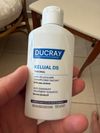
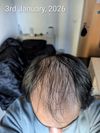
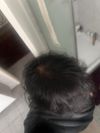
The conversation is about hair loss treatment using finasteride, ketoconazole, and sulfur soap, with consideration of starting dermastamp. The user prefers not to use minoxidil.
A user with mild psoriasis on the scalp is using finasteride, topical minoxidil, and dermarolling for hair loss but plans to stop minoxidil on the crown due to psoriasis aggravation. Suggestions include switching to a lipid-based minoxidil, using Ketoconazole shampoo, or trying oral minoxidil.
Zinc pyrithione and piroctone olamine are effective for reducing hair shedding, possibly more so than ketoconazole. There is a concern about zinc pyrithione shampoo interfering with minoxidil, but it's unclear if this is proven.
The user experienced hair loss and used minoxidil, biotin shampoo, and supplements like biotin, zinc, fish oil, saw palmetto, and B vitamins, which initially stopped hair loss but did not promote regrowth. They suspect heat causes a dry, flaky scalp leading to hair loss and are considering using a supplementary shampoo and possibly finasteride.
DHT promotes beard growth but causes scalp hair loss due to inflammation and fibrosis. Treatments like finasteride and minoxidil help with hormonal signals and blood flow but don't address underlying inflammation.
Ketoconazole shampoo may reduce scalp DHT by around 10% but is not effective enough to stop hair loss on its own. For better results, finasteride, minoxidil, and lifestyle changes are recommended.
The user discusses their experience with diffuse unpatterned alopecia and acquired progressive hair kinkering, noting improvements with treatments including biotin, pantothenic acid, finasteride, ketoconazole, and zinc pyrithione shampoo. They report thicker, healthier hair and improved scalp condition, attributing success mainly to biotin, pantothenic acid, and finasteride.
The user is experiencing dry, frizzy hair despite using dutasteride and finasteride for hair loss, which may be due to reduced sebum production. Suggestions include using nourishing conditioners, hair oils, and styling products to manage frizz, especially for curly hair.
A user was prescribed ketoconazole shampoo by their dermatologist for early-stage hair loss, but is unsure if this is the right treatment. Most commenters suggest seeking a second opinion or starting finasteride treatment immediately, while a few caution about potential side effects.
A user is experiencing significant hair loss and scalp issues despite using Minoxidil, finasteride, and RU58841 since 2017. They switched to oral Minoxidil and are now on isotretinoin and topical corticosteroids for seborrheic dermatitis but continue to lose hair and seek advice on whether inflammation or treatment changes are the cause.
The conversation discusses a hair loss and scalp care routine involving ciclopirox shampoo, benzoyl peroxide, clindamycin gel, clobetasol propionate, and calcipotriol to manage seborrheic dermatitis, folliculitis, and inflammation. It also touches on the role of diet and other treatments like oral minoxidil and pioglitazone for scalp health.
The user treated seborrheic dermatitis by cutting sugar, improving sleep, using four different shampoos, and occasionally using steroids. Their hair is growing back thicker and new hair is appearing.
DutchFella1993 has been using a lotion with finasteride and minoxidil for hair regrowth with some success and is considering using ketoconazole shampoo daily to reduce scalp itchiness. There's concern about the harshness of daily shampooing and twice-daily lotion application, and one reply suggests that daily use of ketoconazole may damage hair and questions its effectiveness, while also noting that once-daily minoxidil application is sufficient.
The user has been using oral minoxidil, dutasteride, RU58841, and other treatments for hair loss over nine months, seeing some improvement in hair thickness and crown volume but continued thinning at the hairline. They plan to continue treatment for another nine months despite being sensitive to DHT fluctuations and are considering increasing dosages or other options like a hair transplant.
Copper peptides may help with hair thickness and health, but their effectiveness in reducing DHT is uncertain. Minoxidil is being used, but finasteride is not available due to legal restrictions; ketoconazole shampoo is recommended for managing Malassezia-related issues.
A 49-year-old is documenting their hair regrowth journey using tretinoin cream, minoxidil foam, and finasteride. They report thicker hair and improved confidence, though progress feels slow and mentally challenging.
The user started using Minoxidil, Finasteride, and vitamins, including freeze-dried organ capsules, for hair regrowth. They report satisfying results with some improvement, though opinions on progress vary.
The user is experiencing hair thinning at the crown and midscalp and is seeking advice. They are considering treatments like Minoxidil, finasteride, and RU58841.
The user has been using finasteride for six months to address hair loss and is considering adding topical minoxidil. Feedback suggests some progress with hair density, but noticeable changes may take more time.
The conversation discusses hair loss treatments, with some users expressing skepticism about finasteride and recommending shampoos like BondiBoost or Pura D'or. One user mentioned switching from oral minoxidil to a serum for thicker, healthier hair, while another found shampoo helpful alongside finasteride for scalp health and hair thickness.
Ketoconazole can slightly improve hair density and is best used as an adjunct to treatments like finasteride and minoxidil. It helps with scalp health but won't stop androgenetic alopecia on its own.
Switching milk brands cleared scalp inflammation and other symptoms, but hair shedding continues. The user hopes shedding will stop as hair cycles progress.
An 18-year-old is frustrated with a dermatologist who prescribed shampoos and Betnovate instead of Minoxidil and Finasteride for hair loss and seborrheic dermatitis. The user feels misled and is considering giving up on dermatologists.
A 22-year-old user shared progress pictures after 5.5 months of using a topical solution containing Minoxidil and Finasteride for hair loss, noting increased hair density and reduced hair fall despite inconsistent application. The user recently switched to oral Dutasteride and Minoxidil due to difficulty with topical solutions and plans to update after a year.
The user is struggling with seborrheic dermatitis and plans to try ciclopirox olamine after finding ketoconazole too drying. They are also using finasteride daily.
The user has been using finasteride 1mg and minoxidil 5% spray for 19 months but continues to experience hair shedding and has not seen improvement with ketoconazole or tretinoin. They are considering a hair transplant in the future while maintaining current treatments.
A 25-year-old male experienced significant hair regrowth over three months using 1mg finasteride, 2.5mg oral minoxidil, and 5% topical minoxidil, with minimal side effects. He noticed some regrowth on the sides and is regaining confidence.
A 26-year-old African American male is experiencing hairline recession and thinning despite using 0.5mg finasteride daily and topical minoxidil. He is considering increasing finasteride dosage, returning to twice-daily minoxidil, or switching to dutasteride for better results.
The conversation discusses hair loss treatments, including the use of minoxidil, finasteride, dutasteride, RU58841, and Nizoral. Participants emphasize the importance of finasteride and minoxidil, while also considering factors like diet, stress, and scalp health.
The user achieved significant hair regrowth in 2.5 months using 2.5mg oral minoxidil, 1mg finasteride, weekly microneedling, and ketoconazole shampoo. Microneedling with a derma stamp was particularly effective, and the user also uses topical minoxidil at night.