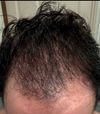
User discusses 4.5 months of using 0.5 DUT & 5 mg Oral Min for hair loss. They share progress pictures and discuss styling options and shedding experiences.
Nanoxidil is considered to have better absorption and fewer side effects than minoxidil, with added DHT blockers. The user is questioning if switching to the more expensive Spectral.DNC-N is worthwhile compared to cheaper options like Kirkland minoxidil.
The user experienced hair loss potentially due to creatine and stopped using it. They saw progress after three months using minoxidil, rosemary oil, and anti-dandruff shampoo.
Seborrheic dermatitis improved after a hair transplant. Effective treatments include Sebamed Anti-Dandruff Shampoo, Vichy Anti-Dandruff Shampoo, Nizoral, and medications like finasteride, dutasteride, and minoxidil.
A user found that scalp itch might be linked to inflammation rather than DHT alone and noticed hair improvement with certain cancer drugs. They also discovered that black seed oil relieved their scalp itch and are experimenting with a mix of essential oils for dry scalp, questioning if oils affect minoxidil absorption.
A 24-year-old shared their successful hair restoration journey, which included a hair transplant in Turkey, dutasteride, and topical minoxidil. They also started testosterone replacement therapy, which improved their quality of life and hair condition, and they now feel confident and satisfied with the results.
A dermatologist prescribed 0.5mg dutasteride every two days and 5mg Minoxidil daily for hair loss, suggesting dutasteride mesotherapy as an alternative. The discussion questions the effectiveness and cost of mesotherapy compared to oral treatments, with concerns about side effects and the dermatologist's approach.
Be skeptical of claims about new baldness cures; current treatments like finasteride, dutasteride, and minoxidil remain the best options. New products like Breezula and PP405 lack compelling evidence and may not be available soon.
A user is trying 2-deoxy-D-ribose with distilled water for hair growth, observing new hair and skin pigmentation changes. Others compare it to Minoxidil, expressing interest and caution about its effectiveness and safety.
The conversation is about someone experiencing hair thinning at the temples and seeking alternative treatments to Minoxidil due to side effects. They are inquiring about the effectiveness of peppermint oil and dermarolling for hair growth.
The user discussed hair loss treatments, considering options like oral and topical dutasteride, minoxidil, pumpkin seed oil, and a tonic with various ingredients. They expressed concerns about side effects and the cost of microneedling sessions.
OP is seeking recommendations for thickening tonics and decides to try Aveda thickening tonic after a suggestion. Another user recommends hair powder as an alternative.
A 39-year-old shared a 17-month hair loss treatment update using Dutasteride, Minoxidil, Nizoral shampoo, and a 1.5mm derma roller, noticing significant results after 9-12 months. They also maintain a healthy lifestyle and manage side effects like dry skin with moisturizer.
The user has been using oral minoxidil and dutasteride for hair loss without success and is considering adding topical 17α-estradiol, Pyrilutamide, Clascoterone, or cetirizine. They have confirmed low serum DHT levels and are exploring additional treatments due to genetic sensitivity to DHT and prostaglandin D2.
The user is experiencing hair loss and is considering increasing their dutasteride dosage or trying RU58841, but is concerned about the effectiveness and side effects. Other users suggest sticking with dutasteride 0.5 mg daily and adding oral minoxidil for better results.
The conversation is about a hair loss treatment regimen that includes finasteride, dutasteride, oral minoxidil, Dermapen, quercetin, N-acetyl L-cysteine, biotin, millet seed extract, MSM, OPC, green tea extract, high-dose vitamins B1-B12, boron, and silica. The user is seeking advice on additional treatments.
A 28 year old man's 18-month journey to treat his hair loss with Dutasteride, RU58841, Minoxidil, Microneedling, Nizoral and T/GEL. He experienced some side effects along the way, including translucent semen and scalp less oily.
A user, almost 50, has been using finasteride for 30 years and recently added oral dutasteride to address hair recession. They are now trying a new treatment stack including Minoxidil, Dutasteride, Melatonin, Rosemary oil, and Bimatoprost, along with derma stamping and Ketoconazole shampoo.
A user is skeptical about a "miracle hair cream" claiming to reverse hair loss and seeks opinions on its effectiveness. They are already using finasteride, minoxidil, and dermastamping weekly but want additional help for temple hair growth.
The conversation discusses the frustration over the unavailability of 2.5mg dutasteride soft gels, with some users suggesting higher doses for better scalp DHT suppression. Concerns about side effects and the necessity of DHT are debated, with some users advocating for alternative treatments like RU58841 and oral minoxidil.
The user tried oral minoxidil and dutasteride for hair loss after topical treatments failed, but with limited success. They suggest considering a hair system (toupee) as a more cost-effective and less complicated alternative to extensive non-regulated treatments.
The user experienced significant hair regrowth using a combination of minoxidil, finasteride (later switching to dutasteride), and tretinoin over two years. They noticed regrowth almost immediately, with no major initial shedding phase, and reported recession and diffuse hair loss patterns.
A 38-year-old user shared progress pictures after 3.5 months of using oral dutasteride, oral minoxidil, dermastamping, and Nizoral shampoo, reporting significant hair regrowth. The user is optimistic about further improvement, while others discuss the effectiveness and side effects of these treatments.
The user is seeking Malassezia-safe treatments for hair loss and currently uses a baby shampoo, a scalp tonic with antifungal ingredients, and aloe gel. They consider using Kirkland Minoxidil 5% drops and possibly consulting a doctor about Finasteride.
The user is trying Hair + Me's 5% minoxidil and 0.1% finasteride topical, which has a different carrier and pleasant smell compared to traditional alcohol-based formulas. They are seeking feedback on its effectiveness compared to classic formulas.
Tocotrienols are being discussed as a potential treatment for hair regrowth, but users report no noticeable effects after several months of use. Some users are combining tocotrienols with other treatments like pumpkin seed oil and peppermint and rosemary oil.
Rosemary extract showed high inhibitory activity against DHT, similar to finasteride and dutasteride, but the conversation includes skepticism about its effectiveness in humans since the study was done on mice and rosemary oil is often considered ineffective based on personal experiences. Some suggest trying rosemary oil alongside other treatments, while others emphasize the difference between the extract used in the study and the oil.
An 18-year-old is using a high-dose treatment for hair loss, including 2.5 mg dutasteride, topical minoxidil, and injectable GHK-Cu, despite minimal hair loss. Many users suggest reducing the dutasteride dose due to potential side effects and recommend starting with finasteride instead.
Dutasteride mesotherapy was not effective for hair regrowth, leading to consideration of oral or topical dutasteride. Oral dutasteride is suggested as more effective and cost-efficient than mesotherapy, with some users experiencing side effects from finasteride.