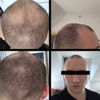
User tried cheap hair fibers from Amazon, significantly improved appearance of thinning hair. Fixing spray recommended to prevent fibers from blowing off.
A user named "bmbshell" who was dealing with hair loss and initially tried to fix it with a hair system before deciding to try finasteride, dutasteride, minoxidil, microneedling, and biotin supplements. They documented their progress over the past 1 year and 3 months, showing how effective these treatments were in regrowing their hair.
The conversation is about someone's hair regrowth after 1.5 months using natural treatments, specifically a dermaroller and a mix of peppermint, pumpkin seed, and rosemary oils. A reply congratulates them and encourages them to maintain their routine.
A 50-year-old user shared their positive experience with hair regrowth using finasteride, minoxidil, biotin, pumpkin seed oil, derma rolling, biotin shampoo, and Nizoral. They reported significant improvement in hair density and regrowth, especially in the crown and mid-scalp areas, with no side effects.
A user shared their hair loss journey, starting with minoxidil and later switching to finasteride due to dissatisfaction with minoxidil. They experienced some regrowth and shedding, with mild side effects from finasteride, and are hopeful for future improvements.
User follows a hair loss protocol with topical finasteride, minoxidil, RU58841, stemoxydine, and microneedling. They plan to get a hair transplant at month 9 and ask for opinions on their progress.
Bimatoprost, latanoprost, and travoprost can aid hair regrowth but are costly and less effective than minoxidil. They work best when combined with minoxidil and finasteride.
A user reported that taking iron polymaltose significantly reduced their hair loss. They also mentioned hair loss due to DHT and asked if hair loss from iron deficiency is permanent or temporary.
Using a combination of Stemoxydine, minoxidil, dutasteride, and keto shampoo to achieve extreme hair and beard growth. The user has experienced positive results with terminal hairs at the hairline and an increase in density to their stubble after several weeks of use.
After 6 months on Minoxidil and finasteride, the user sees minimal new hair growth and questions if it's a sign of slow progress or ineffectiveness. Another user suggests maximum improvement with these treatments can take up to 2 years.
User discusses hair loss and treatments, including Minoxidil, finasteride, and RU58841. Concealers like dermamatch help improve appearance of hair thickness.
A 24-year-old woman with thinning hair is using Minoxidil, saw palmetto, biotin, rosemary oil, and ketoconazole. She seeks advice on whether to try finasteride or dutasteride, the effects of Minoxidil shedding, and the significance of her hair follicle condition.
The user has been using finasteride for 3 years and minoxidil for 1.5 years with minimal side effects. They provide photo updates and are open to questions about their progress.
The user experienced good hair regrowth using natural methods and mechanical stimulation but decided to add finasteride to their regimen for better results. They are optimistic about further regrowth and plan to update on the effects of finasteride, noting no significant side effects so far.
A user's experience with dealing with hair loss, and the advice that was shared by other users to cope with it. Suggested treatments included shaving their head, using medications such as finasteride, minoxidil, and dutasteride, as well as dermarolling.
A 26 year old female diagnosed with androgenetic alopecia who is interested in treatments such as spironolactone, finasteride and Minoxidil to help her hair loss but is worried about side effects like muscle gain, sex drive and effectiveness.
Oral Minoxidil (Loniten) effectively promotes hair regrowth, especially on the crown and temples, with minimal side effects like extra body hair. The user found it more convenient and effective than topical Minoxidil and had negative experiences with Finasteride and Dutasteride.
The user is struggling with hair loss and has tried treatments like finasteride, minoxidil, and hair systems, each with drawbacks. They are considering retrying finasteride before a hair transplant and are advised to seek therapy for mental health support.
The user has been using oral finasteride and minoxidil for over a year with little success in hair regrowth and is considering switching to dutasteride and increasing the minoxidil dose. Other users shared mixed experiences with these treatments, suggesting consulting a doctor before making changes.
A 20-year-old FTM individual started finasteride for hair loss with initial success but experienced increased shedding after 7 months. They are considering oral minoxidil as advised by their doctor to address the worsening hair loss.
The user has been taking oral minoxidil (5 mg) and finasteride (1.1 mg) for 10 months, experiencing significant hair regrowth followed by a recent shedding phase, which has now slowed. The user remains optimistic about future regrowth and attributes some hair health to the inclusion of biotin in their treatment.
The user has been using finasteride and dutasteride for six months, experiencing a complete stop in hair shedding but minimal regrowth. They are considering adding RU58841 for potential regrowth, with advice suggesting patience as significant results often take 12-24 months.
A 34-year-old user shared progress pictures after using daily topical minoxidil and oral finasteride for four months, reporting satisfaction with the results and no side effects. The conversation included suggestions for oral minoxidil, debates about the authenticity of the progress photos, and discussions on potential side effects.
A participant using Veradermics VDPHL01, an extended-release oral minoxidil, experienced significant hair regrowth from Norwood 6 to Norwood 3V without side effects. They plan to use dutasteride after the treatment to maintain results.
Minoxidil is effective for many users, with some experiencing initial shedding before seeing regrowth, while others report side effects like facial edema and heart pain. Combining minoxidil with finasteride or other treatments can enhance results, but individual experiences vary widely.
The conversation is about a user taking a break from oral minoxidil due to persistent eye puffiness after two years of use. Suggestions include switching to topical minoxidil foam and adjusting the dosage to manage side effects.
The user is concerned about hair loss and is considering treatments like finasteride and minoxidil but is unsure about their effectiveness and side effects. They have experienced mixed reactions to shaving their head and are struggling with confidence due to balding.
The user noticed hair regrowth after 4 years of hair loss, coinciding with lifestyle improvements like quitting smoking, exercising, and a better diet. They are curious if dormant follicles can recover under improved conditions.