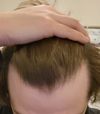
Minoxidil can cause dark, puffy undereyes. Users suggest using caffeine serum, retinol moisturizer, and Remescar eye bags cream to counteract this effect.
The user experienced severe side effects from finasteride, including depression and anxiety, but recovered with DHT injections, sleep medication, and Ayurvedic treatments. They now maintain hair health with minoxidil, PRP therapy, and a good diet, advising against self-diagnosis and recommending consulting a doctor.
A user experienced dark under-eye bags while using Minoxidil, which improved after switching from liquid to foam but led to hair loss. They also used retinol cream and a dermastamp but are seeking advice on effectively combating eye bags.
The user switched from finasteride to dutasteride due to hairline recession but noticed further hair loss and is seeking new dermatological advice. They are concerned about the effectiveness of dutasteride and are looking for help.
The conversation discusses that genetic analysis of the Iceman Ötzi shows he had male-pattern baldness and dark skin, with a joke about using beards and tattoos to distract from hair loss. No specific hair loss treatments are mentioned.
The conversation provides tips to reduce facial skin side effects from Minoxidil, such as changing pillowcases, sleeping on the back, careful application, hydration, and taking breaks. One reply suggests that alcohol in Minoxidil formulations, not Minoxidil itself, may cause skin aging.
A 27-year-old man saw significant hair regrowth after starting a regimen in January that included topical minoxidil with finasteride, vitamins D and B12, fish oil, zinc with magnesium, quitting smoking, and intermittent fasting. People commented on the effectiveness of minoxidil in Southern populations and asked about the details and timeline of his treatment.
The conversation discusses a person's experience with hair loss treatments, including 7 months of using finasteride and minoxidil, switching to oral minoxidil, using ketoconazole shampoo, and microneedling. They notice hair regrowth more with flash photography than in regular light.
The user noticed new dark hairs growing in previously bald areas after using oral finasteride and minoxidil for a month. They are pleased with the progress and find it interesting, even though they are content with a shaved head.
The conversation discusses concerns about RU58841 degrading when exposed to light and transferring pyri to a dark glass bottle to prevent this. The user keeps the pyri out for only two minutes before storing it in a dark place.
High-dose Lysine and Histidine supplements caused curly/kinky hair and shedding due to Elastin dysfunction. Minoxidil, white tea, and dark grape juice were mentioned as treatments to inhibit Elastase and mimic Lysyl Oxidase.
A user is experiencing hair regrowth after 2.5 months using dutasteride and a daily spray containing finasteride, minoxidil, biotin, and ketoconazole. They are optimistic about continued progress and have noticed new dark hairs forming.
Pyrilutamide's long-term stability is uncertain, with potential degradation after 8-9 months if not stored properly. It's recommended to use fresh batches and store them in a cool, dark place.
The conversation is about hair regrowth progress after 4 weeks of using 1mg Finasteride, with the user experiencing initial shedding followed by the appearance of small dark hairs on the scalp. Specific treatment mentioned is 1mg Finasteride.
After a second session of Platelet-Rich Plasma (PRP) treatment for hair regrowth, the user is experiencing increased shedding of thick and dark hairs and is concerned about whether this is temporary. They are seeking others' experiences with PRP, specifically regarding the duration of shedding and eventual positive outcomes.
Hair loss discussion includes Minoxidil and regrowth. Regrowing hairs start light and curly, then become dark and thick; losing temporal peaks is normal.
Hair loss discussion includes treatments like Minoxidil, finasteride, and RU58841. Conversation focuses on foods with sufficient procyanidin b2, such as dark chocolate and apples, and the required dosage.
The conversation discusses the use of low-dose oral minoxidil for hair loss and its potential effects on skin aging. Users shared experiences, with some noting side effects like puffy eyelids and dark circles, but no conclusive evidence of significant collagen depletion or increased wrinkles.
Stopping minoxidil led to significant hair shedding, prompting a return to its use despite initial side effects like dark circles and dry skin. Finasteride was also used but seemed ineffective, and there's hope for future treatments like trinov and sandalore.
The conversation reassures a woman concerned about thinning hair on her crown, suggesting her hair appears normal and not thinning. Some users recommend prenatal vitamins for hair health, while others attribute the appearance to contrast between dark hair and a pale scalp.
A 35-year-old man started hair loss treatment on February 9th using 1mg finasteride, biotin/vitamin capsules, and twice-daily topical minoxidil, along with saw palmetto shampoo and weekly derma stamping. He reports seeing small, dark hairs growing in previously bald areas on his crown after two months, with no side effects.
A user's 20 year journey with hair loss and the treatments they have used to manage it, including finasteride, minoxidil, a custom Strut Blend of Dutasteride, Minoxidil, Tretinoin, and Biotin, Nizoral shampoo, multivitamins, Vitamin D, B Complex, Dim, Clomid, exercise, diet, laser helmet, Toppik dark brown, and topical Finasteride. The user also talks about their successful life, lack of desire for children and high sperm count due to Clomid.
A user experienced hair regrowth using 1mg oral finasteride and 5% topical minoxidil daily. Other users shared their own hair loss treatment experiences and concerns.
The user has DUPA and suspects autoimmune activity as a cause. They have tried various treatments including finasteride, minoxidil, dutasteride, pyrilutamide, estrogel, hydrocortisone, and clobetasol, and are now seeking a long-term immunosuppressant.
The user is experimenting with taking 1-1.5ml of pure castor oil orally daily as an alternative to minoxidil for hair growth. They aim to find a safer option that promotes overall body and head hair growth without the side effects of minoxidil.
Taking 2.5mg oral Minoxidil daily can increase body hair, with users reporting thicker and longer hair, including on eyebrows and eyelashes. Some users suggest starting with a lower dose to manage unwanted hair growth.
A 24-year-old male shared two months of progress using topical minoxidil twice daily for hair loss, noting slight improvements. Other users suggested adding finasteride to maintain results long-term.
A woman experienced increased body hair and acne with minimal hair improvement after switching from topical to oral minoxidil. Suggestions included reducing the oral dose, trying spironolactone, returning to topical minoxidil, or considering laser treatment for body hair.