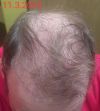
Begin with finasteride to evaluate its effectiveness before adding minoxidil. Combining treatments may enhance results but could also increase side effects; individual responses differ.
A 19-year-old saw significant hair regrowth using 5% minoxidil over three months, with only initial shedding as a side effect. They plan to continue minoxidil and may add finasteride to maintain results.
A 48-year-old reported significant hair regrowth after two years using finasteride and minoxidil, with better results on the temples and using a dermastamp for the crown. The user experienced no side effects from the treatments.
Users discuss hair loss and styling techniques to conceal thinning hair, mentioning treatments like finasteride and oral minoxidil. Some stop hair loss but not regrow hair, considering options like scalp micropigmentation or hair transplants.
Chris's hair transplant looks better, but the hairline is criticized for being too straight and unnatural. Some recommend using finasteride and minoxidil for maintenance.
Finasteride can cause dry eyes and vision issues due to its impact on the meibomian glands. Users have mixed experiences, with some experiencing eye discomfort and others having no side effects.
The user has been using finasteride 1mg for a year and minoxidil 5% for 1.6 years, with inconsistent dermarolling, and is considering switching from topical to oral minoxidil due to hair dryness. They report increased hair thickness and no side effects, with plans to consult a dermatologist about the switch.
An 18-year-old is using a high-dose hair loss treatment with 40mg daily dutasteride, finasteride, minoxidil, tretinoin, and topical bicalutamide. Despite health risk concerns, especially liver issues, they report hair regrowth progress and intend to continue the regimen.
A user reversed hair loss using 10% sulfur soap, which reduced scalp inflammation and possibly demodex mites. The user did not use finasteride or minoxidil, suggesting inflammation may contribute to hair loss.
The user shared progress photos showing significant hair regrowth over two months using finasteride, minoxidil, derma stamping, and mint and rosemary oil. Some users doubted the authenticity of the results, while others congratulated the user on the noticeable improvement.
A 45-year-old male achieved significant hair regrowth in three months using topical finasteride, minoxidil, microneedling, biotin, and cod liver oil. He credits this regimen for his success and clarifies he did not have a hair transplant.
The user experienced significant hair loss after initially successful treatment with minoxidil and finasteride, leading to a second shedding phase. They are considering switching to oral minoxidil for convenience and are advised to continue treatment despite the shedding, as regrowth is expected.
Maintaining good hair density is more important than preventing a receding hairline, as it can enhance a mature look. Treatments discussed include finasteride, minoxidil, dutasteride, and RU58841.
Counterfeit minoxidil is a concern, with users suggesting buying from reputable sources like Costco to ensure authenticity. A bleach test can help verify genuine minoxidil.
The user plans to lower their oral minoxidil dose from 5 mg to 2.5 mg to reduce side effects like puffiness and hypertrichosis, while also using finasteride and accutane. They are considering caffeine serums for puffiness and discussing dietary changes or switching to topical minoxidil to address bloating.
Concerns about a potential finasteride ban in the EU, possibly affecting the US, are discussed. Users doubt a ban, citing its widespread use and suggest alternatives like minoxidil and dutasteride.
Adam Scott and Rob Lowe have used finasteride for over 20 years to maintain their hair without significant negative effects. Many Hollywood celebrities use finasteride, minoxidil, and other treatments for hair loss, despite some concerns about side effects.
A 32-year-old user reversed 8 years of hair loss in 15 months using finasteride, topical minoxidil, and later switching to dutasteride and oral minoxidil. The user reported significant hair regrowth, despite unconventional methods like ingesting topical minoxidil, and is considering a hair transplant for further improvement.
A 21-year-old shared impressive hair regrowth results after nearly three years using 1mg finasteride and 2.5mg oral minoxidil daily. The user experienced shedding periods but reported no side effects, and the transformation was praised by many.
The conversation is about using finasteride (Fin) for hair loss, with the original poster expressing regret for not starting it sooner due to improved hair color and strength. Users discuss their experiences with finasteride, dutasteride, and minoxidil, noting varying results and side effects.
Oral minoxidil is seen as more effective and convenient than topical minoxidil for hair regrowth, but it may cause heart-related risks. Users often combine it with finasteride or dutasteride, though some prefer topical treatments due to safety concerns.
Significant hair regrowth was achieved using finasteride and 2.5mg oral minoxidil over a year, despite initial shedding. The treatment is recommended, though it may cause increased heart rate and body hair growth.
The conversation is about a user sharing their hair regrowth progress using dutasteride, topical minoxidil, and weekly derma stamping. The user reports significant improvement without side effects, and others discuss the effectiveness and techniques of derma stamping.
Finasteride effectively regrew hair and improved quality after increasing the dose from 0.5mg to 1mg, with no side effects. The user is cautious about adding minoxidil, fearing it might disrupt progress.
A woman experienced significant hair loss due to medication, hair coloring, and heat damage, leading her to shave her head and feel distressed. She is considering using wigs and possibly oral minoxidil to manage the situation while her hair regrows.
Finasteride is debated for causing dry eyes, with some users experiencing relief after stopping it, while others find no connection. Topical treatments like dutasteride and minoxidil are suggested as alternatives, with advice to consult medical professionals.
People discussed starting hair loss treatments like finasteride, dutasteride, and minoxidil due to personal experiences or comments about their hair loss. Some reported positive results, while others mentioned side effects or switching treatments.
Impressive hair regrowth was achieved in 4 months using 1.2mg finasteride, 3mg minoxidil, and Thick Fix shampoo. No side effects were reported, and the user encouraged others to try these treatments.
A user shared their 3-month progress using 0.5mg daily dutasteride and 3mg oral minoxidil for hair loss, reporting significant improvement after an initial shedding phase. The user experienced no side effects and noted that dutasteride might have fewer side effects than finasteride.
Federal funding for medical research in the U.S. has been halted, potentially delaying new treatments. Hair loss treatments like finasteride and minoxidil are unlikely to be impacted as they are typically funded by private companies.