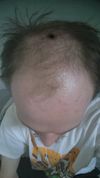
A user shared progress pictures showing hair regrowth after using a homemade oral solution of 1 mg dutasteride and 2.5 mg minoxidil. Commenters noted significant improvement and increased body hair.
A 22-year-old male using 0.5mg Dutasteride and 2.5mg oral Minoxidil daily for 5.5 months reports increased shedding and scalp itching. He also experienced acne and is concerned about whether the shedding is normal and if daily hair washing for seborrheic dermatitis is causing dryness.
After switching from finasteride to 0.5 mg dutasteride daily, the user experienced thinner hair but no shedding. They are considering continuing dutasteride and possibly using oral minoxidil, while also dealing with allergy-like symptoms possibly unrelated to the medication.
The user experienced significant hair regrowth using 1mg finasteride and 2.5mg oral minoxidil, improving from NW5-6 to NW3-4 in three months. They plan to get a hair transplant in February and reported no side effects except increased body hair growth.
The conversation is about hair regrowth using micro-needling, RU58841, oral and topical minoxidil, ketoconazole shampoo, and dutasteride. Users suggest that noticeable results take longer than two weeks, though one user mentions seeing baby hairs.
The user shared a 15-month hair loss treatment update using Dutasteride (0.5mg/day), Minoxidil (5% foam twice daily), Nizoral (1% every 3 days), and a 1.5mm derma roller (twice a month), along with a multivitamin, exercise, low sugar diet, hydration, and consistent sleep. They started seeing results after 6-9 months, with significant improvement at the 1-year mark, and apply Minoxidil the day after derma rolling.
PP405 shows promise in treating severe hair loss, with 31% of users experiencing over 20% hair density increase in four weeks, faster than minoxidil and finasteride. Some users are skeptical about the results' significance and long-term efficacy.
Significant hair regrowth was achieved using 1 mg Finasteride, 5% Minoxidil, and dermarolling, with a switch from a 0.5 mm to a 1 mm roller after two months. The user is happy with the results but is still considering a hair transplant for more density.
The conversation discusses hair loss treatments, with users mentioning dutasteride (Dut) as effective and wishing for more accessible dosages. They also debate the components of the "big 3" treatments, which now include Dut, RU58841, and oral minoxidil, with finasteride and minoxidil being consistently mentioned.
A 28-year-old is using 0.5mg dutasteride and 2.5mg oral Minoxidil to improve front hair growth. They are seeking additional recommendations for enhancing hair in the front.
A manager told an employee to stop using minoxidil, fearing it could unintentionally cause hair growth in others. The conversation is filled with humorous and sarcastic responses, questioning the manager's logic and suggesting the employee continue using the treatment secretly.
A user shared their 4-month hair regrowth progress using 0.5mg dutasteride and 2.5mg minoxidil, reporting no side effects and significant improvement. The conversation includes discussions on treatment choices, dosages, and personal experiences with hair loss treatments.
The conversation is about a user planning a blood test to monitor health while on hair loss treatments: Finasteride, Minoxidil, and Dutasteride. Recommendations include testing for androgens, thyroid function, micronutrients, and basic health markers, with additional suggestions for PSA, prolactin, and estradiol.
A user is treating hair loss with Dutasteride, Minoxidil, RU58841, Derminator 2, Vitamin D, Biotin, and Zinc. After 6 months, there's no significant visual improvement, but the user feels less insecure about Retrograde Alopecia.
The conversation is about a user's positive experience with hair regrowth using 1mg finasteride and 2.5mg oral minoxidil, noting improvements in scalp and eyebrow hair. The user mentions minimal side effects, such as a slight increase in heart rate, and prefers oral minoxidil over topical due to ease of use.
The user experienced positive hair growth results using oral minoxidil and finasteride initially, then switched to dutasteride and higher-dose minoxidil. They plan to try topical minoxidil foam to improve the crown area and reported increased libido with dutasteride.
A 22-year-old is using a hair loss treatment protocol including dutasteride, microneedling, 10% minoxidil, 0.1% finasteride topical, a healthy diet, and a hair multivitamin. Users discuss the effectiveness of microneedling and the intensity of the treatment.
The user has been using finasteride 1mg and oral minoxidil 2.5mg for a year, experiencing ongoing shedding since starting minoxidil. They are considering dutasteride and seeking advice on blood work for thyroid, Vitamin D, and iron levels.
A 28-year-old man with hair loss is seeing regrowth in his temple area after 2 months of treatment with Dutasteride, a 1.5mm Dermaroller, topical Minoxidil, and Biotin supplements. He also notes an unexpected positive side effect of Dutasteride clearing up his light facial acne.
Increasing dutasteride from 0.5mg to 2.5mg may not significantly reduce hair loss and can cause side effects like sleep disturbances and brain fog. Many users find 0.5mg effective enough, while some switch to topical finasteride due to side effects.
The user experienced significant hair regrowth in two months using minoxidil foam and 0.5mg finasteride every other day, despite some side effects. They are considering adjusting the finasteride dosage and possibly adding biotin or dermarolling to their routine.
The user experienced significant hair regrowth using 1mg finasteride and 2mg minoxidil daily, along with Nizoral shampoo and rosemary oil. They are curious about further improving hair density and whether increasing the minoxidil dose would help.
Dutasteride and finasteride are not effectively stopping hair loss for some users, despite long-term use. Some are considering or using RU58841, pyrilutamide, and other treatments like microneedling, while also managing seborrheic dermatitis with diet and topical solutions.
The user is using a hair loss regimen involving 2ddr applied twice daily, tretinoin weekly, and occasionally micro-needling. They report feeling increased scalp thickness and seeing some hair growth progress.
A user started taking 2.5mg Dutasteride for hair loss, along with oral Minoxidil, and is concerned about liver impact. Other users warn about the high dosage and potential health risks.
The user experienced significant hair regrowth and improved hair volume after 4 months of using oral dutasteride (0.5 mg) and minoxidil (2.5 mg) daily, eliminating the need for a second hair transplant. The user is now satisfied with the results and feels more confident.
A 22-year-old male with hair loss is considering treatments like finasteride, minoxidil, and derma rolling after being diagnosed with MPB, vitamin D deficiency, and dandruff. He seeks advice on whether these treatments can realistically improve his hair density and achieve a healthier NW2.
The user has been using finasteride and minoxidil for 7 months, seeing thicker hair but no temple regrowth, and is considering switching to dutasteride. Another person suggested trying microneedling on the temples before changing medications.
PP405 shows promise for hair regrowth, with new hairs observed in 66% of patients in just 27 days. The discussion also mentions Minoxidil, finasteride, and RU58841 as potential treatments.
The user reports some hair regrowth after two months of using 1.5mm microneedling with Minoxidil and Nizoral shampoo. They note reduced pain and skin flaking, attributing changes to skin thickening and collagen induction.