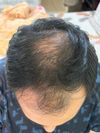
A person considering finasteride for hair loss checked their hormone levels before starting treatment. They are concerned about the potential increase in estradiol and its effects, as well as the impact on their sex hormone-binding globulin (SHBG) and free testosterone levels.
The user reported positive results after 2 months using dutasteride 0.5mg, topical minoxidil daily, ketoconazole 3 times a week, and a derma roller once a week, with minimal side effects. They experienced increased hair growth and are optimistic about future results.
The user is struggling with seborrheic dermatitis and plans to try ciclopirox olamine after finding ketoconazole too drying. They are also using finasteride daily.
A 27-year-old male experienced hair thickening using a specialized pill containing Dutasteride and Minoxidil, despite taking it irregularly due to being away from home. He plans to resume a more regular dosing schedule for better results, as he noticed side effects like brain fog and decreased libido.
The user shared their 11-month hair regrowth journey using 0.83mg finasteride, Minoxidil twice daily, random derma rolling, and occasional Ketoconazole showers. They reported significant improvement, moving from a Norwood scale of 5.5 to around 2.5-3, and encouraged consistency for results.
The conversation discusses using finasteride for 2 years and dutasteride for 6 months to treat hair loss, resulting in significant improvement. The user did not experience side effects and did not use other treatments like minoxidil, supplements, or micro-needling.
The user continues to experience hair loss despite using dutasteride 2.5mg, minoxidil 5mg, and ciclopirox shampoo, and plans to reassess after one year. Others report similar issues with dutasteride, with some switching to finasteride or adding RU58841.
The user successfully managed hair regrowth by using a combination of finasteride, dutasteride, minoxidil, and specific shampoos to treat seborrheic dermatitis. They emphasize the importance of maintaining a healthy scalp and are considering food intolerance tests to further address inflammation.
A man in his late twenties switched from finasteride to dutasteride for hair loss and is sharing his 3-month progress, noting increased shedding but no side effects. Some responders think the treatment is working.
PP405 is a new hair loss treatment in phase 2 trials that may promote hair growth by increasing lactate production and activating hair follicle stem cells. It could potentially replace hormone-disrupting treatments like Minoxidil and finasteride.
Veradermics' phase 2 trial of slow-release oral minoxidil shows promising hair regrowth with minimized side effects, gaining significant attention and funding. PP405 is also noted for its potential as a side-effect-free alternative.
A 42-year-old male shared his hair regrowth progress using a regimen of oral dutasteride, topical minoxidil, and finasteride, along with testosterone injections. He experienced noticeable improvement in hair growth and expressed gratitude for the support and information from the community.
The conversation discusses a live stream presentation on Pelage PP405 for hair regrowth, with skepticism about its effectiveness compared to minoxidil. Some users express doubt and suggest sticking to proven treatments like minoxidil, finasteride, and RU58841.
A 33-year-old user is seeking advice on adjusting their hair loss treatment, which includes daily finasteride, oral minoxidil, and various supplements. They are considering switching to alternate-day dosing of finasteride or dutasteride and are concerned about potential shedding and effectiveness.
The conversation discusses the effectiveness of Dutasteride (DUT) and Finasteride (FIN) for hair loss. Users share varied experiences, with some finding DUT more effective and others experiencing side effects or no change, highlighting that individual responses can vary.
The user is experiencing positive results in hair regrowth using a regimen of 0.5 mg dutasteride, 5 mg oral minoxidil, ketoconazole shampoo, microneedling, and a combination of topical minoxidil with RU58841. They report no side effects and express gratitude for the support and inspiration from the community.
A woman experiencing hormonal hair loss is on dutasteride and bicalutamide, which initially improved her hair, but she is now experiencing a second shedding phase with significant short hair loss. Despite normal hormone levels and no deficiencies, she is unsure if this shedding is normal and seeks advice.
People are experimenting with high doses of dutasteride, with some reporting halted hair loss and regrowth. Others are combining it with treatments like minoxidil and finasteride, noting varying results and side effects.
The conversation discusses a person successfully using a combination of Minoxidil, finasteride, and other treatments for hair loss, resulting in significantly improved hair. Despite some criticism, many admire his dedication to health and anti-aging research.
The user is considering using CB or clascoterone for hair loss, potentially as an alternative to RU. They're also contemplating asking a dermatologist for topical clascoterone cream to apply to their temple.
The user is using a combination of oral Dutasteride, topical Minoxidil, Ketoconazole shampoo, and other supplements for hair regrowth, with plans to start microneedling. Some users see progress and suggest microneedling to enhance results, while others note that significant changes may take more time.
A 22-year-old male shares his 2-month progress using a regimen of 0.5mg dutasteride daily, 1.5mm dermarolling weekly, a daily multivitamin, and a topical serum with 10% minoxidil and 0.1% finasteride. He reports impressive hair regrowth, especially at the hairline, and has experienced no sexual side effects.
The user is using a hair loss treatment involving dutasteride, minoxidil, finasteride, microneedling, and supplements like multivitamins, D3 K2, and Omega 3 fish oil. They are considering adding tretinoin and are open to suggestions while managing gut issues.
OP saw significant hair growth after starting scalp exfoliation and using 5% topical minoxidil for 4.5 months, along with microneedling initially. Users discussed the benefits of exfoliation and inquired about experiences with finasteride and dutasteride.
The conversation is about adding crushed bicalutamide or spironolactone to a topical mix with finasteride and minoxidil to suppress testosterone in hair follicles, similar to what RU58841 does. The user cannot obtain RU58841 in their country and is seeking advice on this alternative approach for hair loss treatment.
The user experienced hair improvement after one year using 0.5 mg oral dutasteride, 5 mg oral minoxidil, and ketoconazole shampoo three times a week. They noticed progress after initial shedding and attribute changes to medication adjustments.
OP used minoxidil for 15 months and pyrilutamide for 46 days, achieving desired results without side effects. Users discussed alternatives like dutasteride and finasteride, with concerns about side effects like erectile dysfunction.
The conversation discusses using estradiol and its derivatives for hair loss without causing feminization. Users mention alternatives like alfatradiol, topical 17b-Estradiol, and DIM (Diindolylmethane).
A user shared their one-year progress using finasteride, minoxidil, derma roller, ketosol shampoo, omega 3, biotin, daily exercise, and a positive outlook. They also discussed their exercise routine and addressed a question about finasteride side effects.