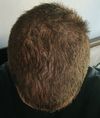
An 18-year-old male switched from topical finasteride and minoxidil to oral dutasteride for diffuse hair loss and saw improvement without side effects, despite experiencing scalp itch and shedding. Commenters noted significant hair regrowth and were surprised by his young age and appearance.
The user switched from finasteride to dutasteride for hair loss and saw significant improvement in under two months. They also microneedle, take supplements including collagen and vitamin D3, use ketoconazole shampoo, and noticed accidental hair regrowth with retinol application on their face.
The conversation discusses hair regrowth using 2-deoxy-d-ribose (2DDR) combined with minoxidil, with some users noting new hair growth. The original poster has been using minoxidil for 12 years and is considering combining 2DDR with finasteride, despite past side effects.
A 17-year-old is using oral dutasteride, finasteride, and topical minoxidil for hair loss, with plans to increase dutasteride and consider surgery. They report significant regrowth but are worried about side effects and the effects of blocking DHT at a young age.
A user shared a 17-month update on their hair loss treatment, which included a hair transplant of 2300 grafts, using a topical solution of minoxidil and finasteride, a laser cap, and ketoconazole shampoo. They are considering another transplant and seeking honest feedback on their progress, while others share their own experiences and advice on hair loss treatments.
David Barreto shared that a London-based research group is conducting a 12-month trial for a new nutraceutical treatment for pattern hair loss, designed with Dr. Carlos Puig. The trial aims to provide robust data, with results expected in 1-2 years, potentially representing a significant advancement since finasteride’s introduction in 1997.
GHK-Cu is a potent inhibitor of the type 1 5-alpha reductase enzyme in hair follicles, which may reduce hair loss without the side effects associated with type 2 5-alpha reductase inhibitors. The user previously experienced side effects with 5-alpha reductase inhibitors and is considering GHK-Cu as an alternative.
The conversation is about a 19-year-old female experiencing hair loss, potentially due to deficiencies in iron, ferritin, and vitamin D. She is considering iron and vitamin D supplementation and exploring dietary changes, while also planning to consult a dermatologist when possible.
Experimenting with the effects of creatine and finasteride on DHT levels, as well as a discussion regarding the potential link between creatine supplementation and hair loss.
PP405 shows promise in activating dormant hair follicles and increasing hair counts but lacks detailed efficacy data compared to minoxidil and finasteride. Opinions are mixed, with some optimism and skepticism about its effectiveness.
Elevated bile acids can inhibit the enzyme AKR1C2, leading to increased DHT levels, which may accelerate hair loss in those predisposed to androgenetic alopecia. Treatments mentioned include topical minoxidil and finasteride.
A 23-year-old male is experiencing large dandruff flakes causing hair loss, despite using anti-dandruff shampoo. He seeks advice on resolving the issue, noting a family history of baldness.
The efficacy of degrading the androgen receptor through dermal application in DP cells, a delivery system for topical drugs that involves dissolving microneedles, and rosemary oil as an alternative anti-androgen.
A 17-year-old is experiencing genetic hair loss and is considering treatments like Minoxidil, Rosemary oil, or Finasteride. They have a vitamin D deficiency but believe it is not the cause of their hair loss.
The user is pausing finasteride for blood donation and is concerned about its effect on DHT levels. They plan to supplement with saw palmetto and pumpkin seed oil during the pause.
Genetic variations influence how people respond to dutasteride for hair loss, with some benefiting more from finasteride. Dutasteride is effective for most, but genetic differences may cause it to be less effective for some.
A 17-year-old experiencing aggressive hair loss since December 2023 is using finasteride, vitamin D, and a biotin supplement but cannot use minoxidil due to dandruff. They have also undergone two PRP treatments and are seeking further advice.
New hair loss treatments PP405 and VDPHL01 are discussed with skepticism and hope, alongside existing treatments like minoxidil and finasteride. Users express frustration over limited progress since the 1980s but remain cautiously optimistic.
A 19-year-old male with a family history of balding is using finasteride to thicken his hair and is considering whether to add minoxidil. Users suggest continuing finasteride for several months before deciding on minoxidil.
The user is experiencing hair loss and has tried various treatments including topical and oral finasteride, minoxidil, dutasteride, and ketoconazole, but continues to lose hair. They are considering alternative solutions like hair systems due to the lack of improvement and a scalp condition called CVG.
A 16-year-old diagnosed with male pattern baldness (MPB) was prescribed hair vitamins, vitamin D, a non-ketoconazole shampoo, and redenysl + serum, with a suggestion for GFC or IHRF treatments. Some users recommended minoxidil, ketoconazole, and derma stamping, while others advised against certain treatments until the age of 18.
Creatine use with finasteride increased DHT levels, possibly affecting hair loss. The user plans to reduce creatine to stabilize DHT and hair shedding.
The user is experiencing hair loss and is using finasteride while addressing low ferritin and copper levels. They are concerned about continued hair shedding and are advised to correct vitamin deficiencies and wait for finasteride results after 12 months.
The conversation is about a user's hair loss treatment regimen, which includes Dutasteride, oral Minoxidil, topical Dutasteride, Minoxidil sulfate, antioxidants, and various supplements. The user is also using a derma stamp and has paused Tretinoin due to a TCA peel recovery.
Increased hair loss after starting a 10g daily creatine regimen, possibly linked to elevated DHT levels despite dutasteride use. Stopping creatine reduced shedding, but the exact cause is uncertain, with discussions on exercise and lifestyle impacts.
The user shared their journey from hair loss at 17 to a full head of hair using topical finasteride, Saw Palmetto, a natural serum with stem cells and rosemary oil, dermarolling, and a specialized shampoo. They experienced side effects with Dutasteride and found success with their current routine without side effects.
GT20029 is a new hair loss treatment in Phase 3 trials in China, using PROTAC technology to target androgen receptors, potentially with fewer side effects than finasteride and minoxidil. VDPHL01, a second-generation minoxidil, is also mentioned as potentially more effective.
User discusses Alfatradiol (17a-Estradiol) as a potential hair loss treatment with mixed results. Concerns include low dosage, receptor theory, and possible increased aromatase activity on scalp.