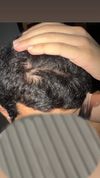
The user has been using finasteride and minoxidil, then switched to dutasteride and minoxidil for six months without significant results, noticing thinning after increasing creatine dosage. They plan to consult a dermatologist to explore potential causes beyond androgenetic alopecia.
A 23-year-old male has been using oral finasteride and topical minoxidil for 14 months, along with derma stamping and vitamins, but is considering switching to dutasteride due to dissatisfaction with progress. Users suggest cutting hair shorter to better track progress, and some recommend adding dutasteride and possibly a hair transplant in the future.
The conversation discusses the effectiveness of reducing DHT for hair loss treatment and explores alternative approaches like reducing androgen receptor sensitivity. Specific treatments mentioned include finasteride, dutasteride, pyrilutamide (KX-826), GT20029, and RU58841.
The user is frustrated about not hearing any updates on the HMI-115 trial for hair loss. They are questioning if there will be any updates in the future.
The user experienced hair regrowth with dutasteride but later lost progress despite using minoxidil foam and dermastamping. Suggestions included reducing dermastamping frequency, conducting blood tests, and considering oral minoxidil or different brands of dutasteride.
The user is considering switching to oral dutasteride, topical minoxidil, retinoic acid, and clobetasol for hair loss treatment, after limited regrowth with finasteride and other topicals. They are seeking a source for clobetasol, as they believe it may help with their condition.
A 27-year-old is experiencing significant hair loss despite using a combination of 0.5mg dutasteride daily, topical minoxidil, nizoral shampoo, and vitamin D optimization, and is now starting zinc supplementation. Suggestions include considering other causes, possibly increasing dutasteride dosage, switching to oral minoxidil, or maintaining the current regimen and reassessing in six months.
The user noticed increased hair fullness after using a minoxidil and finasteride oral capsule but is unsure if the 1.25 mg minoxidil dose is sufficient. They are considering switching to a higher dose and are waiting for a dermatologist's advice.
A 21-year-old male uses minoxidil, finasteride, and dutasteride for hair loss but still experiences progression with high DHT levels. Suggestions include increasing dosages, checking for deficiencies, considering a hair system, or consulting a specialist.
User got first hair system and feels confident. Cost $200, attached at hairclub for $150, considering $400 monthly membership for weekly visits and new system monthly.
After switching from finasteride to dutasteride, the user noticed new hair growth and experienced manageable shedding. They reported feeling great on dutasteride with minimal side effects, using Cialis occasionally for libido issues.
The user has been using a regimen of dutasteride (DUT) and topical minoxidil (1ml once a day) for six months, resulting in hair regrowth and increased thickness. The user reports no side effects and mentions that the shedding phase lasted about a month.
User considers trying AAPE for hair restoration, costing $700 for 6 months. Others discuss its potential effectiveness and mention a study with promising results.
Finasteride is a controversial hair loss treatment, with some users experiencing positive results and others facing side effects like erectile dysfunction. The discussion emphasizes the importance of personal choice and informed decision-making.
A user previously claimed to take 40mg of dutasteride daily and planned to try Cyclosporine, but their account and comments have since been deleted, raising concerns about their well-being. Other users discussed the risks and effectiveness of high doses of dutasteride, with some sharing their own experiences using dutasteride, finasteride, and minoxidil for hair loss treatment.
The user is experiencing ongoing hair loss despite using a comprehensive treatment regimen including dutasteride, oral minoxidil, cyproterone acetate, transdermal estradiol, and topical bicalutamide. They suspect cyproterone acetate may be worsening their hair loss and are considering switching to injection monotherapy.
Probiotics like L. reuteri ATCC PTA 6475 and B. longum BB536 may improve hair growth and density by reducing inflammation and reversing DHT damage. The user is trialing these probiotics personally, ordering them from the U.S. to Canada, and plans to continue if no adverse effects occur.
At 4 months post hair transplant, the user is taking oral minoxidil and finasteride, and progress is on track. Users suggest the results are good, with some recommending patience and others offering hair care advice.
Dutasteride is considered a stronger alternative to finasteride for hair loss, with mixed results; some users report improvement, while others experience worsening or side effects. Effectiveness varies, with genetics and individual responses influencing outcomes.
User experiencing hair loss on dutasteride; others suggest shedding is normal and to track progress with pictures. Some mention using RU58841 for improvement.
A user is considering dutasteride mesotherapy for hair loss due to concerns about oral side effects from high DHT levels. They have been using topical finasteride with minoxidil but are exploring mesotherapy as an alternative, while another user shares their experience with mesotherapy sessions using dutasteride and minoxidil without side effects.
SCUBE3, a protein linked to hair growth in moles, was discovered over 25 years ago and is being developed by Amplifica for potential hair loss treatment. Concerns exist about SCUBE3's association with cancer, as it is a protein that promotes cell growth, which could potentially trigger cancer development if used for hair growth therapy.
A 22-year-old is experiencing hair thinning despite using finasteride and dutasteride, and plans to try minoxidil next. The user is frustrated with the lack of results and is considering drastic measures if the situation doesn't improve.
Kintor plans to release pyrilutamide foam and a plant-based Koshine by year-end, with GT20029 progressing in their pipeline. Users are pleased about the absence of propylene glycol (PG) in the new products.
The user successfully improved their hair from Norwood 3 to 0.5 using finasteride, topical minoxidil, microneedling, and a hair peptide, and plans to maintain it with dutasteride. They are leaving the forum due to emotional distress caused by the community.
The conversation discusses hair regrowth progress using dutasteride 0.5 mg and oral minoxidil 2.5 mg over seven months. Users debate the effectiveness, with some noting slight improvements and others suggesting alternative treatments like finasteride.
Dutasteride at 2.5 mg/day reduces scalp DHT by 80%, while 0.5 mg/day reduces it by 50%, with minimal difference in side effects. Users often combine it with finasteride, RU58841, and minoxidil for better hair loss management, though side effects like dry skin and pimples are noted.
GT20029 showed significant hair growth and safety in phase II trials, with no adverse sexual events. Users are hopeful but concerned about future costs and systemic effects.