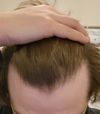
Considering a switch from finasteride to dutasteride for hair loss treatment, and the use of minoxidil as a last resort due to its effects on hair texture.
Follicusan DP is discussed as a potential alternative to Minoxidil without side effects, but information is scarce. It is noted to be of German origin and details on its mechanism are limited.
The conversation discusses methods to further reduce DHT in the scalp for hair loss treatment, with users suggesting various approaches like using dutasteride, minoxidil, tretinoin, and natural supplements like pumpkin seed oil. Some users also mention using topical applications and scalp massages to enhance the effectiveness of these treatments.
A humorous discussion about hair loss treatments, specifically mentioning the use of 5mg of Dutasteride. The conversation includes jokes about the effectiveness of the treatment.
Using dermaneedling or dermapen for hair loss while managing seborrheic dermatitis and dandruff. Treatments mentioned include ketoconazole, peppermint and jojoba oil, and rubbing alcohol.
This post and conversation are about the molecular mechanisms triggered by microneedling, specifically its effects on inflammation, tissue remodeling, epithelial proliferation, differentiation, and collagen synthesis. The discussion highlights the potential benefits of microneedling for hair loss treatment.
The conversation discusses seeking a stronger treatment than Dutasteride (DUT) for hair loss. Suggestions include combining DUT with RU58841, increasing DUT dosage, and using transgender hormone replacement therapy or testosterone blockers, though some options may have feminizing side effects.
The DHT itch is linked to hair loss and persists despite finasteride use; switching to dutasteride helped alleviate the itch and promoted regrowth. Some users suggest seborrheic dermatitis as a cause and recommend treatments like medicated shampoos, vitamin D, and minoxidil.
The conversation is about a user's hair loss treatment regimen, which includes Dutasteride, oral Minoxidil, topical Dutasteride, Minoxidil sulfate, antioxidants, and various supplements. The user is also using a derma stamp and has paused Tretinoin due to a TCA peel recovery.
The user switched from finasteride to dutasteride due to hairline recession but noticed further hair loss and is seeking new dermatological advice. They are concerned about the effectiveness of dutasteride and are looking for help.
A user switched from finasteride to dutasteride and from topical to oral minoxidil, experiencing significant hair shedding. They plan to continue this regimen for a year before deciding on any changes.
The conversation discusses the importance of scalp biopsies for diagnosing hair loss conditions like DUPA and Retrograde, which may not be just AGA. It emphasizes that treatments like finasteride and dutasteride may not work if the condition is autoimmune.
The user experienced significant hair growth using 0.5 mg Dutasteride and 5 mg oral Minoxidil over 10 weeks, with initial shedding but no side effects. The treatment was surprisingly affordable at $7 for a 3-month supply.
Higher doses of dutasteride reduce scalp DHT more effectively than finasteride, but have diminishing returns after 3mg daily and may cause more side effects. Combining dutasteride with topical minoxidil can enhance results, but using both finasteride and dutasteride together is unnecessary.
The user experienced significant hair regrowth after switching from finasteride and minoxidil to dutasteride. They believe dutasteride is highly effective for treating hair loss.
The user has been taking dutasteride for 8 months and finasteride before that, with normal DHT levels but high estradiol and prolactin, leading to sexual side effects. The user is disappointed with these results.
The conversation discusses the use of finasteride for hair loss, comparing every day (ED) versus every other day (EOD) dosing. It suggests that both dosing schedules can be effective, but individual tolerance may vary.
The user reports significant hair regrowth after 200 days using dutasteride and minoxidil, attributing changes to hair dye. Others doubt the authenticity and discuss treatment effectiveness and side effects.
The conversation is about hair loss treatment progress using dutasteride 0.5mg and oral minoxidil 3mg. Suggestions include adding topical minoxidil with tretinoin and considering micro needling or micro stamping for further improvement.
The user has been using 0.5mg Dutasteride daily and topical Minoxidil but is experiencing worsening hair density and is considering switching to Finasteride, increasing the Dutasteride dose, or adding RU58841. They are also considering microneedling and have concerns about the effectiveness of generic Dutasteride compared to branded versions.
Switching from oral to topical dutasteride can cause shedding due to changes in DHT levels, and it's recommended to overlap both treatments to minimize this effect. Topical dutasteride may cause scalp irritation, and the user is considering dutasteride mesotherapy as an alternative.
The conversation is about DIY Dutasteride mesotherapy for hair loss, focusing on creating an injectable treatment to target the scalp and limit side effects. The user seeks feedback on enhancing the treatment with additional ingredients.
Users discuss switching from finasteride to dutasteride for hair loss treatment. Some report better results with dutasteride, including hair regrowth and stabilization.
The user experienced hair regrowth with dutasteride but later lost progress despite using minoxidil foam and dermastamping. Suggestions included reducing dermastamping frequency, conducting blood tests, and considering oral minoxidil or different brands of dutasteride.
A user increased their dutasteride dosage from 0.5mg to 1mg daily, resulting in a rise in DHT levels from 148 pg/mL to 281 pg/mL, and is considering switching back to finasteride due to continued hair loss. Replies suggest retesting and emphasize the importance of bloodwork before starting treatments.
The conversation is about finding reputable clinics in Canada or near the US border that offer DUT mesotherapy for hair loss. The user is seeking recommendations and cost information for these treatments.
A Dutasteride Simulator predicts serum dutasteride, serum DHT, and scalp DHT levels using models from research papers. It simulates various dosing schedules to determine steady-state effects and visualizes outcomes, including hair growth-related scalp DHT suppression.
A user shared their progress with hair loss treatment using Dutasteride Mesotherapy but mentioned they ruined their progress. Another user commented that Minoxidil caused shedding, which should regrow in three months.