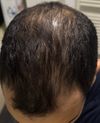
The conversation is about seeking hairline regrowth results using RU58841, dermarolling, and Nizoral. The user cannot tolerate finasteride and finds minoxidil ineffective.
Hair loss treatments like GT20029, pyrilutamide, and Follica show promise in 2022. Phase 1 and 2 trials are underway, and new hair growth studies have been published.
The conversation is about organizing hair regrowth results using a standard format in a single post for easier access. Treatments mentioned include oral minoxidil, oral finasteride, and dermarolling.
The user is trying alternative hair loss treatments like caffeine shampoo and dermarolling before considering minoxidil or other advanced treatments, and has noticed an increase in vellus hairs and some strong terminal hairs after two months of daily caffeine shampoo use. They plan to continue the treatment and document progress.
The user is experiencing positive hair regrowth results after 3 months using finasteride and minoxidil both orally and topically, along with biotin and ketoconazole. They also use a shampoo containing caffeine and biotin.
Researchers at the University of Virginia discovered a new group of stem cells in hairfollicles that could potentially restore hair growth. The findings suggest that activating these stem cells might offer a new way to combat hair loss, though practical treatments are still years away.
The user shares their 10-month progress on a hair treatment regimen including Dutasteride, RU58841, Minoxidil, biotin, Nizoral shampoo, and a derma pen. They report maintaining hair density after previous steroid use.
A user experienced significant hair regrowth after 5 weeks by taking zinc, vitamin D, and biotin supplements, correcting deficiencies that were contributing to hair loss and thinning. They report a decrease in hair shedding, faster hair growth, and a thickening of their hairline without using common hair loss medications like Minoxidil or Finasteride.
The user reported healthier, firmer, and thicker hairfollicles with minimal regrowth at the front after using Regenera Activa, topical finasteride, minoxidil, tretinoin, caffeine solution, and vitamin D supplements. Hair loss has stabilized with no side effects.
New hair loss treatments like VDPHL01, PP405, Gt20029, and Breezula are anticipated, with VDPHL01 possibly releasing in 2027/28. Current treatments include finasteride, dutasteride, and minoxidil, but new options are eagerly awaited.
The user has been using a combination of finasteride/dutasteride, minoxidil, tretinoin, and hydrocortisone with microneedling and ketoconazole shampoo for hair loss. They are asking if the baby hairs growing will turn into terminal hairs with continued treatment.
The user experienced significant hair regrowth after using finasteride, minoxidil, and derma stamping, despite an initial heavy shedding phase. They also take omega-3, zinc, biotin, and folic acid daily, and report improved confidence and hair strength.
A 21-year-old noticed vellus hair regrowth on their hairline after adopting a healthy lifestyle and meditation, without using treatments like Minoxidil or Finasteride. Other users are skeptical, attributing the regrowth to placebo effects.
Pelage is developing a topical hairfollicle stem cell therapy, PP405, for non-scarring alopecias like androgenetic alopecia, with Phase III trials planned and a potential market launch by 2027. The treatment may not require continuous use after initial regrowth.
Orient Bio is developing a PLGA formulated version of Cyclosporine A to stimulate hair growth without its immunosuppressant effects. Users discuss various treatments like Clascoterone, PP405, minoxidil, and tacrolimus, expressing hope for new developments and sharing personal experiences with these treatments.
A trans woman is using finasteride, minoxidil, microneedling, and HRT to address hair loss, with noticeable improvement in hairline shape and presence of vellus hairs. She is considering hair transplants if these treatments don't yield desired results within a year or two.
Significant hair regrowth was achieved in 6 months using topical minoxidil, oral finasteride, vitamins, derma-stamping, and rosemary oil. Hair loss reduced from 30-40 hairs to 2-3 hairs during showers.
The user is experiencing hair regrowth using a combination of oral finasteride, a minoxidil/finasteride topical spray, and dermarolling. They plan to continue this regimen and may consider adding dutasteride if needed.
The conversation discusses impressive hair regrowth results using finasteride, minoxidil, and microneedling over 20 months. Some users suspect a hair transplant or hair system, while others inquire about specific product details and side effects.
The post discusses various hair loss treatments including minoxidil, finasteride, microneedling, vitamins, lifestyle changes, and reducing prolactin levels. The user reports positive results after 4 months of treatment, including increased hair growth.
A user is experiencing hair regrowth after using oral finasteride, topical minoxidil, biotin, multivitamins, vitamin D, and dutasteride. They also use ketoconazole shampoo and Revita density shampoo to manage flakes and improve hair thickness.
A user experienced extreme hair growth on their hairline and temples using natural remedies like onion juice, nail rubbing, more veggies and fruits, less carbs, jojoba oil, and dermarolling. They did not use Minoxidil, finasteride, or any prescription drugs.
A user is considering starting treatments like Finasteride, Minoxidil, and Microneedling for hair thinning, despite stable hair loss for over 8 years. They are unsure if the presence of miniaturized hairs indicates potential for regrowth or if they should accept the current state.
The user experienced significant hair regrowth after 3.5 months using a topical 2-in-1 from Hims, ketoconazole, and weekly microneedling. The user is 37 years old.
The user is experiencing hair loss and is using topical finasteride, rosemary oil, caffeine, microneedling, low-level laser therapy, scalp massages, ketoconazole shampoo, and various vitamins and supplements. They are concerned about potential gynecomastia and are considering using minoxidil if current treatments do not stop hair loss or promote regrowth.
A 24-year-old shared their successful hair restoration journey, which included a hair transplant in Turkey, dutasteride, and topical minoxidil. They also started testosterone replacement therapy, which improved their quality of life and hair condition, and they now feel confident and satisfied with the results.
The user "Bishiop" shared a comparison of their hair progress over 9 months using oral finasteride, topical minoxidil, and microneedling. Other users commented on the results and shared their experiences with hair loss treatments.
UCLA's PP405 shows promise in reactivating dormant hairfollicles for hair loss treatment but is still in clinical trials. Minoxidil and finasteride remain common treatments until PP405 becomes available.