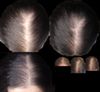
The comparison of 0.5mg dutasteride and 1mg finasteride for treating hair loss in men with androgenetic alopecia, with discussion of which is more effective and has fewer side effects.
Considering treatments for hair loss, including Minoxidil, Finasteride, RU58841, Fluridil and Pyrilutamide. The user is weighing the risks of taking unapproved medication before it has been mass produced.
The user experienced heart palpitations from using Fin (0.1%) and Min (10%) and is seeking alternatives. Options suggested include PRP or Mesotherapy, with a recommendation to try topical Fin without Min.
The user has been using finasteride and oral minoxidil for hair loss but hasn't seen improvement and is quitting nicotine and caffeine to see if it helps. Some believe quitting nicotine improved their hair health due to better blood flow, while others are skeptical about the impact of blood flow on hair loss.
Potential side effects of 5AR inhibitors like finasteride and dutasteride. Users debate risks, benefits, and personal experiences with these hair loss treatments.
A 29-year-old male experiencing hair loss due to TRT is using minoxidil and dermarolling but is hesitant to use finasteride or dutasteride due to potential side effects. He is considering low level laser therapy (LLLT), PRP, ketoconazole shampoo, and oral minoxidil as additional treatments. A reply suggests that without a DHT blocker like finasteride or dutasteride, other treatments may not be effective long-term.
Hair loss discussion involves minoxidil, finasteride, and RU58841. Minoxidil non-responders may see results after adding stemoxydine due to increased enzyme presence.
User xEternex tries hair regrowth with daily broccoli sprouts, apple extract containing procyanidin b2, and microneedling. Others discuss potential issues with the experiment and share their experiences with vegetable consumption and hair growth.
User questions credibility of a hair loss "cure" found by a non-expert and warns against wasting money on unproven supplements. Others discuss trying natural extracts and the importance of researching the enzyme 3ADH for potential hair growth benefits.
The user decided to shave their head instead of pursuing a hair transplant or using drugs like minoxidil and finasteride. They are motivated to accept themselves as they are and feel more confident after taking this action.
A user's 14-month journey with finasteride, microneedling, and Nizoral to treat hair loss. They experienced some side effects such as ball ache, needing to pee constantly, and less semen, but the results were generally positive.
Creatine use with finasteride increased DHT levels, possibly affecting hair loss. The user plans to reduce creatine to stabilize DHT and hair shedding.
A 24-year-old has been using finasteride for almost two years, along with ketoconazole shampoo, fish oil, saw palmetto, emu oil, and minoxidil for a period. They report positive results and invite questions about their experience.
Minoxidil (Lipogaine) and Ketoconazole shampoo (Regenepure) are recommended for hair loss treatment, while finasteride is considered risky due to potential side effects. Biotin is not advised due to possible health risks, and the user emphasizes the emotional impact of hair loss and the hope for a future cure.
A user is experiencing severe hair loss and dandruff, trying various treatments including Minoxidil, Nizoral 2% Ketoconazole, Neutrogena T/Gel, coconut oil, baby shampoo, apple cider vinegar, aloe vera gel, and tea tree oil. They believe the issue is not genetic and are seeking advice and solutions.
Sapphire FUE uses sapphire-tipped blades for more precise incisions, but the surgeon's skill and overall procedure management are more crucial for success than the blade type. Both Sapphire and Standard FUE can yield similar results, with recovery influenced more by individual factors and aftercare than the blade used.
A 20-year-old is concerned about potential hair loss and is seeking advice on whether to be worried about their current hairline, considering family history. They are contemplating treatments like Minoxidil, finasteride, or RU58841 but have not committed to any yet.
A 31-year-old male with androgenetic alopecia and seborrheic dermatitis is considering starting finasteride and minoxidil for hair loss, while also using ketoconazole and salicylic acid shampoos for scalp treatment. He is concerned about the timing of starting finasteride and potential side effects, and seeks advice on whether to prioritize scalp health or begin hair loss treatments simultaneously.
Topical minoxidil and finasteride can cause hair dryness and styling difficulties, especially for curly hair. Users suggest switching formulations or showering before going out to manage the dryness.
A 27-year-old male is seeking advice on starting hair loss treatments in the UK, considering options like oral and topical finasteride and minoxidil. He is unsure whether to start with finasteride or dutasteride and is looking for guidance on choosing the right treatment.
The conversation discusses hair loss treatments, focusing on insulin resistance, microneedling with topical melatonin, and stress reduction. Users express skepticism about the advice, preferring proven treatments like minoxidil and finasteride, while some mention alternative methods like dermal incisions and verteporfin for reducing fibrosis.
The user is experiencing significant hair shedding despite using 1.25mg oral minoxidil and 1mg finasteride daily for a year. They are advised to monitor health factors like vitamin levels and heart health, and consider increasing ferritin levels for optimal hair growth.
Oral minoxidil significantly enhances eyelash growth, with some users experiencing increased body hair. Finasteride is used alongside to manage hair thinning, with mixed results on body hair growth.
The user has been using Minoxidil (5mg) and finasteride (1.1mg) for almost five months, with occasional microneedling and ketoconazole shampoo, and has noticed some hair regrowth and thickening. Others in the conversation agree that there is noticeable improvement and suggest continuing the treatment for better results.
An 18-year-old is considering testosterone replacement therapy with finasteride or dutasteride for hair loss but worries about side effects. Users recommend alternatives like minoxidil, RU58841, and consulting a doctor.
A 25-year-old male with seborrheic dermatitis and hair thinning seeks advice on the severity of his condition and treatment options. Oral finasteride and oral minoxidil are recommended as the most effective long-term treatments.
PP405 is expected to be a promising addition to hair loss treatments, potentially working well with existing treatments like finasteride and minoxidil, but not as a standalone solution. Users are hopeful for its effectiveness, especially in combination with other treatments, though expectations vary.
The user experienced positive hair growth and thickness after using a daily blend of 1.2mg Finasteride, 3mg Minoxidil, and other vitamins for five months, with noticeable improvements around the 3.5 to 4-month mark. They reported no side effects and emphasized the importance of patience and consistency with the treatment.
A 30-year-old man saw improved hair density and texture after three months using Minoxidil, Finasteride, and ketoconazole shampoo, despite initial side effects. He experienced increased body hair and libido and is satisfied with the results despite the high cost in Turkey.