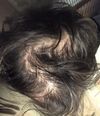
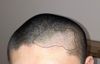
The conversation is about using micro needling and PTD-DBM for hair loss treatment. The user applies PTD-DBM drops on weekdays and performs micro needling weekly.
A 23-year-old experiencing severe diffuse thinning after scalp inflammation is considering finasteride as a last resort after stopping minoxidil and using anti-inflammatory medication. Users suggest that inflammation causes temporary shedding and recommend consulting a dermatologist, with some advocating for finasteride as a reliable treatment option.
The user improved diffuse thinning without finasteride by using minoxidil foam, cold showers, gentle hair drying, 2% ketoconazole, sulfate-free tea tree oil shampoo, dermastamping, and supplements like Omega-3, Vitamin-D, Biotin, Keratin, Collagen, B3, Zinc, and Magnesium. The regimen was followed for about six months under dermatologist guidance.
The conversation is about the safety of using a dermastamp at 0.25mm depth twice a day when applying Minoxidil. The user seeks confirmation on whether this practice is safe despite mixed opinions.
The user plans to try finasteride again due to past side effects, considering a gradual increase starting at 0.25 mg every 5 days to reach 0.5 mg/day. They seek advice on a tapering schedule to minimize side effects.
People with hair loss experience emotional struggles and body dysmorphia. Treatments like minoxidil, finasteride, and dutasteride are used, but results vary and can take time.
Balding's emotional impact is discussed, highlighting self-acceptance and well-being. Treatments like finasteride, minoxidil, and microneedling are mentioned, but the focus is on self-care and maintaining perspective.
The conversation discusses a hair loss treatment regimen that includes scalp massage, derma rolling, saw palmetto, rosemary, peppermint oil, pumpkin seed oil, and various supplements like vitamins C and D, multivitamins, biotin, collagen, and fish oil. The user is asking if the treatment has led to hair regrowth.
A person experienced severe sexual side effects, including loss of libido and erectile dysfunction, after using finasteride and dutasteride for hair loss. They stopped the medications and sought advice, but recovery was slow and uncertain.
Taking a break from topical treatments like oils, serums, and minoxidil once a week may help the scalp recover, though opinions vary on its effectiveness. Some users skip treatments occasionally, believing it benefits scalp health without reducing effectiveness.
The conversation discusses the emotional struggle of hair shedding while using finasteride and minoxidil, with users sharing encouragement and tips like using hair fibers, cutting hair shorter, and trusting the process for eventual regrowth. Many users emphasize that shedding is temporary and a sign that the treatment is working, suggesting patience and temporary solutions like hats and hair fibers.
Verteporfin might be a potential cure for hair loss and could heal scars, which may lead to natural-looking results when combined with hairline lowering surgery. One person suggests waiting to see if verteporfin actually works as claimed.
The user is experiencing one-sided diffuse thinning and has been using finasteride and liquid minoxidil for 4-5 years with minimal results. They are considering whether to save for a hair transplant or address scalp sensitivity and irritation first.
A user experienced significant swelling after a hair and beard transplant, possibly due to an allergic reaction or improper post-surgery care. Despite dissatisfaction with the clinic's handling of grafts and customer service, the user appreciates the clinic's skill in achieving natural hairline density.
A user with diffuse thinning recommends a root cover-up spray as a temporary, medication-free solution. They plan to consult a dermatologist for treatments like Minoxidil and finasteride while using the spray for special occasions.
The conversation discusses hair regrowth progress from Norwood scale 4 to 2.5 over a year using daily 8.5-9% RU58841, topical Dutasteride 0.1%, RU58841 5% 1.5 times a week, and daily caffeine redensyl scalp treatment.
The conversation discusses natural ways to reduce cortisol, such as avoiding caffeine, getting proper sleep, syncing with the sun, walking in nature, breathing exercises, increasing calories, and not doing keto. Magnesium supplements are recommended for stress reduction.
The user is experiencing scalp irritation from using RU58841 with a 70% ethanol and 30% propylene glycol vehicle and is considering switching to a less irritating vehicle, such as 30% ethanol with 70% squalane or emu oil. They are seeking feedback on the effectiveness and irritation levels of these alternative carriers.
Quitting RU58841 after over two years reduced scalp itching and inflammation, despite concerns about losing hair gains. The user continues using finasteride and oral minoxidil.
The user is experiencing significant hair shedding after starting dutasteride, which is considered a normal part of the treatment process. Despite the shedding, the user notes some improvement in hairline appearance and is seeking advice and reassurance.
The user is considering lowering the dosage of finasteride and minoxidil due to side effects like mood changes, lower libido, and brain fog, while wanting to maintain hair regrowth. A suggestion was made to try a lower dose of finasteride, such as 0.2 mg.
The post and conversation are about skepticism towards a new hair loss treatment containing 2-deoxy-D-ribose, copper peptides, and exosomes, with concerns about the legitimacy of the product and its website. The treatment's effectiveness and authenticity are questioned due to lack of testing and transparency.
After gyno surgery, OP is considering restarting finasteride at a lower dose (0.25mg/0.5mg) or switching to topical to reduce the risk of gyno recurrence. Lower doses and topical application may lessen side effects due to reduced systemic absorption.
The conversation is about a person experiencing significant hair loss in the donor area after a hair transplant, with others suggesting it might be shock loss. The person is taking oral minoxidil and dutasteride to help with the issue.
After 9 months of using Dutasteride, oral and foam Minoxidil, Zinc, Vitamin D, Nizoral shampoo, and microneedling, combined with reduced stress, an individual restored their hair. They saw significant improvement despite initial worsening, and had low Vitamin D levels which they corrected with supplements.
A user describes using a Dermastamp for microneedling their scalp, noting a crunching sound when pressing it firmly. Another user suggests the crunching might be from breaking up scalp calcification.
Addressing hair loss by focusing on posture, blood flow, and craniofacial development. Methods include improving posture, cardiovascular activity, scalp massages, healthy diet, meditation, using minoxidil, and addressing craniofacial issues.
The conversation is about overcoming fear of finasteride/dutasteride for hair loss treatment. Users suggest starting with a small supply, noting side effects are rare and reversible, and emphasize personal comfort and confidence.
A 22-year-old resumed using finasteride, minoxidil, and a 0.5mm dermaroller after stopping for two years, experiencing positive results and improved mood. The discussion includes debates on the effects of finasteride on neurosteroids and the optimal dermaroller needle length for hair regrowth.