The reduction in scalp oiliness is likely due to finasteride reducing DHT levels and the use of ketoconazole shampoo. The combination of these treatments may have decreased sebum production.
A user shared their 8-month progress using oral dutasteride and 2.5 mg oral minoxidil daily, reporting improved hair density with minimal side effects, except for a slightly decreased libido. They did not use any supplements but occasionally used a derma stamp.
The conversation is about a user who started using finasteride to address crown balding, noticing reduced hair shedding and halted progression of male pattern baldness. The user also used a dermal stamp and expressed optimism about potential regrowth, despite a slight decrease in libido.
The user experienced significant hair improvement after 3 months of oral finasteride and 6 months of topical minoxidil, with additional weekly microneedling. Hair shedding decreased significantly with no side effects reported.
A 23-year-old male experienced significant hair regrowth and increased libido after switching from oral finasteride to 0.5 mg oral dutasteride and 2.5 mg oral minoxidil, following hair loss induced by a testosterone cycle. He reported initial shedding and decreased libido with finasteride, but no side effects with dutasteride, and noted improvements in hair density, temple regrowth, and reduced acne.
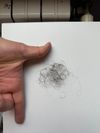
The user has been using finasteride for over a year and noticed short, prickly hairs on their scalp that don't grow like the rest of their hair. Despite losing about 40 short hairs when washing, their overall hair density hasn't decreased.
A 32-year-old shares their one-year experience using dutasteride 0.5 mg and minoxidil for hair loss, noting some progress but still considering a hair transplant for better density. They mention decreased libido as a side effect and discuss the cost and considerations of a hair transplant.
The user experienced side effects like watery semen, erection problems, and decreased libido from finasteride, which resolved after stopping it. They are considering dutasteride mesotherapy as an alternative, as advised by their dermatologist, and are concerned about potential side effects.
The user is experiencing hair regrowth after three months using minoxidil, 1.25mg finasteride, ketoconazole cream, and a 1.5mm derma roller. They are considering reducing their finasteride dose due to decreased libido.
Finasteride is discussed as a hair loss treatment with benefits like reduced prostate enlargement and skin aging, but it is not seen as a "fountain of youth." Users report mixed experiences, including side effects like decreased libido and dry eyes.
A 21-year-old male recently had a hair transplant and is considering starting finasteride to prevent further hair loss. Finasteride can be started immediately to maintain existing hair, with potential side effects like decreased libido, and results may take several months.
A 27-year-old male experienced limited success with Dutasteride and topical Minoxidil for hair loss and eyebrow thinning, with side effects like decreased libido and erectile dysfunction. He is considering oral Minoxidil but is concerned about side effects, and is advised to try ketoconazole for possible dermatitis and monitor vitamin D levels.
A 28-year-old man shares his positive experience with a 3-in-1 oral pill containing finasteride, minoxidil, and vitamins for hair loss, noting decreased bald spot width and overall hair thickening after four months. He encourages others to start treatment, mentioning the mental benefits and minimal side effects, while discussing additional treatments like ketoconazole and microneedling.
A user shared their positive experience with PRP and stem cell treatment for hair loss, noting it nearly stopped their hair loss after previous use of finasteride and minoxidil. Another user mentioned PRP helped maintain their hair, though its effectiveness decreased over time, and they experienced side effects from dutasteride.
The user shared their 6-month progress using finasteride and minoxidil for hair loss, noting improvements and reduced shedding. They decreased their minoxidil dosage from 10% to 5% and no longer need biotin, with no side effects from finasteride.
A 22-year-old male is on day 77 of using 1 mg finasteride for hair loss. He reports decreased oiliness and shedding but is unsure about overall progress.
A 26-year-old shares their experience with hair loss treatment using minoxidil and finasteride, noting improvements in hair thickness and health. Despite positive results, they experience mood swings and decreased libido, leading them to consider stopping the treatment.
The user has been taking 2.5 mg of dutasteride for 6 months and using minoxidil topically for 3 years but hasn't seen significant hair regrowth, only a slight decrease in hair loss. Suggestions include switching to oral minoxidil, adding microneedling, or using growth agonists like bimatoprost to improve results.
A 20-year-old male shares his 2.5-month progress using 1mg finasteride, topical minoxidil, tretinoin, dermarolling, and ketoconazole for hair loss, noting slight libido decrease. Users discuss sourcing topical finasteride and request more photos to see the results.
Using 1mg Finasteride and 5% Minoxidil for a year led to significant hair regrowth, despite initial side effects like decreased sex drive, which improved with exercise. Consistency in treatment was highlighted as crucial for success.
The user has experienced noticeable hair regrowth after 3 months using minoxidil daily, finasteride every other day, a derma stamp 2-3 times a week, and 2% Ketoconazole shampoo. They adjusted finasteride usage due to decreased libido and are nearing the end of the shedding phase.
The user experienced significant hair regrowth using 1mg finasteride daily for 3-4 years and added 2.5mg oral minoxidil for 5 months, which accelerated progress. They reported a slight decrease in libido but no major side effects, and found oral minoxidil more convenient than topical.
The user reports positive progress in hair growth using 0.25mg finasteride, minoxidil, ketoconazole shampoo, and microneedling, with minimal hair shedding and some new hair growth. They experienced decreased libido with finasteride but no longer have side effects from minoxidil.
The user is seeing early hair growth results from using 0.25mg Finasteride, Minoxidil, Ketoconazole shampoo, and microneedling, with some initial side effects like light aching and decreased libido that are improving. They experienced normal shedding after starting Minoxidil and are considering increasing the Finasteride dose if needed.
User reports hair improvement after 3 months using 2.5% minoxidil, 1mg finasteride, weekly Nizoral, bi-weekly microneedling, and nightly rosemary oil. Shedding has decreased, and no significant side effects were noted.
A user is considering starting finasteride after quitting minoxidil due to scalp inflammation, despite ongoing hair shedding and a worsening crown area. Another user suggests taking finasteride in the morning to minimize focus on potential side effects like slightly decreased libido.
The user has been using topical minoxidil with other ingredients and oral finasteride, but its effectiveness has decreased. They are considering switching to oral minoxidil after experiencing side effects with dutasteride.
A user experienced initial side effects from finasteride, including erectile dysfunction and emotional changes, but later noticed increased muscle mass and assertiveness. Hormonal tests showed elevated estrogen and prolactin levels, which slightly decreased over time; the user plans lifestyle changes to see if they help.
User experienced positive results with CosmeRNA for hair loss after 1.5 weeks, including reduced scalp itchiness, less oiliness, and decreased shedding. They have not felt any side effects and are happy with the treatment so far.
A user experienced significant hair regrowth after 5 weeks by taking zinc, vitamin D, and biotin supplements, correcting deficiencies that were contributing to hair loss and thinning. They report a decrease in hair shedding, faster hair growth, and a thickening of their hairline without using common hair loss medications like Minoxidil or Finasteride.