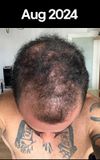
Finasteride can increase estrogen levels, causing dizziness and nausea. Users discuss adjusting treatment and diet, and explore alternatives for hair loss management.
A new supplement for hair growth combines black rice, prickly pear, and saw palmetto, showing promising results in increasing hair density and reducing hair loss. The supplement is considered a drug-free alternative to traditional treatments like minoxidil and finasteride.
The conversation discusses using finasteride, dutasteride, RU58841, and testosterone to combat hair loss and block DHT, with some users expressing concerns about side effects and vegan options for medication. The discussion also touches on personal experiences with hormone treatments and the desire to maintain a youthful appearance.
A 34-year-old has been using finasteride for 18 months and minoxidil for 3 months, along with ketoconazole shampoo, supplements, and microneedling, to address hair loss. They report stabilized hair loss, thicker hair in previously miniaturized areas, and new hair growth along the hairline.
A user shared their 4-year experience with oral finasteride and 2-year experience with oral minoxidil for hair regrowth, noting minor side effects like weaker erections and increased hair growth elsewhere. They reported significant regrowth primarily from finasteride and maintained a consistent dosage of 1mg finasteride and 2.5mg minoxidil daily.
A 23-year-old male shared his two-year progress using topical finasteride and minoxidil for hair loss, noting some recent shedding. Users discussed their experiences, side effects, and offered advice, with some suggesting adding microneedling to enhance results.
Oral dutasteride is the most effective for hair regrowth, followed by oral finasteride and minoxidil. Topical finasteride combined with minoxidil is recommended for those avoiding systemic DHT reduction.
Cosmetics Hut Hair Strengthening Shampoo with Biotin Peppermint Platyclaudus is popular for reducing hair shedding. Other treatments mentioned include Minoxidil, finasteride, ketoconazole shampoo, and biotin supplements.
The user shared progress pictures showing hair improvement after using 1mg finasteride daily and 5% minoxidil spray once a day for six months. Other users suggested adding microneedling to enhance results and discussed side effects and product recommendations.
Creatine may cause increased hair shedding in some individuals, especially those with androgenetic alopecia (AGA), despite its physical performance benefits. Many users report stopping creatine to reduce hair loss, while others believe the effects are anecdotal or due to other factors like increased physical activity.
Switching from topical to oral minoxidil may lead to better results for some users, with oral minoxidil generally being more effective due to higher absorption. However, it can also cause side effects like hypertrichosis and blood pressure issues, and individual responses may vary.
A 24-year-old experienced reduced hair loss with finasteride and minoxidil initially, but hair loss increased again after a few months. They switched to dutasteride and minoxidil, saw temporary improvement, but faced increased shedding again, seeking advice on next steps.
A 19-year-old is using topical minoxidil 7% and finasteride 0.1% foam, along with a laser cap, to combat hair loss. They report progress despite initial shedding and are considering switching to oral finasteride in the future for convenience.
A 26-year-old male has been using dutasteride for one year after previously using finasteride, along with 5% minoxidil and micro-needling, to treat hair loss. He reports no side effects and is satisfied with the progress, noting some shedding as part of the hair cycle.
The user has been using finasteride since November 2023, which improved their hair and confidence, and they plan to switch to dutasteride and get a hair transplant. They noticed hair thickening after 3-4 months on finasteride and are considering oral dutasteride and minoxidil for further improvement.
A user regrets not starting finasteride earlier for hair loss, noticing significant crown thinning by age 30. They have started using finasteride and are considering minoxidil for better hair regrowth.
The user has been using minoxidil and finasteride for 3.5 months and has seen a 20% improvement in hair density. They are advised to continue treatment and consider switching agents or adjusting dosages if needed.
Pyrilutamide shows promising hair growth results, but skepticism exists due to potential biases and lack of blinding in the study. Concerns about side effects and legitimacy of the product persist, with comparisons to finasteride and discussions on post-finasteride syndrome.
A user is experiencing hair loss despite using dutasteride and oral minoxidil, feeling hopeless and considering a hair system. They are advised to try ketoconazole, seek a second opinion from a dermatologist, and consider treatments like finasteride, RU58841, and hair transplants.
Finasteride is being used to prevent further hair loss, with hopes of thickening existing thin hair, but results are slow. Users suggest adding minoxidil, dermastamping, and possibly dutasteride for better results.
The conversation discusses hair loss and the potential impact of zinc supplementation, with some users suggesting it might contribute to shedding. The original poster is using finasteride and considering adjusting their zinc intake and dosage of finasteride.
A user shared their 7-month hairline recovery using 1 mg finasteride and 5 mg minoxidil daily. They experienced significant hair growth, including unwanted facial hair, and discussed potential side effects and dosage adjustments with others.
Nutrafol helps improve hair thickness and hairline but may have potential health risks like liver damage and increased prostate cancer risk. The user plans to continue Nutrafol at a lower dosage while managing seborrheic dermatitis and considers future use of topical finasteride, minoxidil, rosemary oil, and microneedling.
Dutasteride may reduce scalp oil and itchiness more effectively than finasteride, with some users experiencing drier skin and improved hair thickness. Users report varying results, with some noticing benefits after switching from finasteride to dutasteride, while others use a combination of treatments including minoxidil.
Switching finasteride brands from Teva to Proscar led to hair and skin issues, suggesting possible differences in effectiveness or quality. Users recommend returning to the original brand that worked well.
The user experienced significant hair regrowth using dutasteride, oral minoxidil, and ketoconazole shampoo, with no side effects except denser facial hair. They increased their dosages to 1mg dutasteride and 5mg oral minoxidil for better results.
The user experienced hair shedding after using finasteride and topical minoxidil since August 2024, and briefly adding oral minoxidil in early 2025. They suspect the shedding might be due to the oral minoxidil, a bad batch of finasteride, or a normal shedding cycle, and are also experiencing an itchy scalp and acne.
Switching from liquid to foam Minoxidil to avoid scalp irritation, with a method to melt the foam for easier application. Users discuss alternatives and personal experiences with Minoxidil, including issues with propylene glycol and different application methods.
A 28-year-old male with a family history of baldness is deciding whether to start finasteride now or wait for visible hair changes. He is considering starting finasteride immediately to proactively address potential hair loss.
The user experienced improved self-confidence and hair regrowth using finasteride, minoxidil, and dermarolling. Visible results were noted after about three months, with microneedling done once a week.