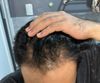
A user shared progress pictures after using finasteride and minoxidil for two years, showing significant hair improvement. The user started treatment at age 20 and reported no side effects.
A 22-year-old experiencing hair thinning started using finasteride and feels relieved for taking action against hair loss. Others in the conversation share similar experiences, finding comfort in trying treatments like finasteride and minoxidil, even if they don't fully stop their hair loss.
Switching from finasteride to dutasteride improved erections, sex drive, and mood for one user, though experiences vary widely. Some users report fewer side effects with dutasteride, while others experience more severe issues or hair loss.
The conclusion of this conversation is that the user "DuckSeasonCamelSeasn" found that consuming grapefruit juice prior to taking finasteride or dutasteride helped them become a responder to the medications and regain hair growth. However, there are warnings about potential risks and interactions with other medications, so caution should be exercised.
Finasteride may affect liver function and cortisol levels, potentially linking it to non-alcoholic fatty liver disease (NAFLD). More research is needed to understand this connection fully.
A user is experiencing hair loss despite using finasteride for over seven months and is considering switching to dutasteride, but is unsure due to mixed reviews. Another user shares a similar experience and has started using oral minoxidil and dutasteride in hopes of improvement.
The user mixed RU58841 with Minoxidil for hair loss treatment and experienced reduced hair fall and thicker hair but stopped due to chest pain and muscle twitching. They plan to use a new routine without RU58841 or Finasteride due to side effects, including various topical treatments and peptides.
Dutasteride mesotherapy, an injection treatment for hair loss done monthly, is discussed as an alternative to daily oral treatments like minoxidil and finasteride. It's not popular due to its higher cost, inconvenience, and the discomfort of scalp injections.
Dutasteride is often more effective than finasteride for blocking DHT, but results vary and some may experience side effects. Combining minoxidil with either medication can improve hair regrowth, but switching doesn't guarantee better results for everyone.
The post discusses the experiences of individuals with diffuse hair thinning using finasteride, with many reporting no improvement or worsening conditions after 6 months. Various suggestions include persisting with the treatment, checking for underlying conditions, adding minoxidil for volume, adjusting dosage, and considering other potential causes like autoimmune responses and inflammation.
The user switched from finasteride to dutasteride and initially experienced increased energy and libido but is now facing erection issues. They are unsure if it's due to performance anxiety and are seeking advice while wanting to continue dutasteride for its benefits.
Dutasteride is more effective than finasteride for hair loss, especially at the crown and midscalp, but both have similar side-effect profiles with low incidence of sexual adverse events. Improvement is measured visually, and significant results may take over 12 months to appear.
The user is experiencing heavy hair shedding and a receding frontal area despite using finasteride and minoxidil. They are considering switching to dutasteride for better results.
Dutasteride mesotherapy combined with topical minoxidil led to some hair regrowth, but taking dutasteride pills every 2-3 days showed more noticeable results. The user did not try finasteride, as their dermatologist recommended dutasteride for better outcomes with fewer side effects at a reduced dosage.
Dutasteride is favored over finasteride by some for better hair loss reversal, improved skin, and fewer side effects, though individual responses vary. It may also help with dandruff and eczema but has a slightly higher risk of gynecomastia.
The conversation discusses the importance of Finasteride for hair loss treatment in the EU and encourages individuals to voice their support to the EMA. It highlights the potential influence of public input on regulatory decisions.
The conversation discusses hair loss treatments, specifically Stemoxydine from Vichy, and mentions alternatives like Minoxidil, finasteride, and RU58841. The user is seeking a more affordable option than L'oreal Serioxyl.
Switching from finasteride to dutasteride led to hair loss despite continued use of minoxidil. Many recommend reintroducing finasteride, as responses to treatments can vary.
The user tried Minoxidil without success, and Finasteride worked but caused sexual side effects even at a very low dose. They are seeking alternative treatments for hair loss as they cannot tolerate anti-androgens and are also in therapy for mental health.
People who have not responded to finasteride (Fin) switching to dutasteride for hair loss treatment and their experiences with the switch. Other treatments such as Minoxidil (Min) and RU58841 are also discussed.
Exosomes are discussed as a new hair loss treatment, but skepticism is expressed about their effectiveness. Other treatments mentioned include Minoxidil, finasteride, and RU58841.
Finasteride can reduce DHT in the genitalia, potentially causing side effects like reduced erections and penile fibrosis. Using PDE5 inhibitors like Tadalafil or Sildenafil may help maintain penile health and prevent fibrosis.
RU58841 is preferred over finasteride for blocking DHT on the scalp, especially for those with aggressive MPB. Creatine is associated with increased hair shedding, even when using RU58841.
Epristeride is a selective 5 alpha reductase type 2 inhibitor that may reduce scalp DHT similarly to finasteride, with potentially fewer side effects. It is suggested that combining epristeride with finasteride or dutasteride could enhance hair loss treatment effectiveness.
The user experienced severe side effects from finasteride, including depression and anxiety, but recovered with DHT injections, sleep medication, and Ayurvedic treatments. They now maintain hair health with minoxidil, PRP therapy, and a good diet, advising against self-diagnosis and recommending consulting a doctor.
Considering alternative treatments to hair loss, such as platelet-rich plasma (PRP) and exosome therapy, instead of using medications like minoxidil, finasteride/dutasteride.
Switching from finasteride to dutasteride can cause significant hair shedding if done abruptly. It's recommended to overlap both treatments and gradually taper off finasteride to minimize shedding.
A transgender individual is starting spironolactone and estradiol for hormone replacement therapy (HRT) and is considering adding finasteride to help with hair loss. They are also planning to use minoxidil and microneedle, but are unsure if they need to use another anti-androgen or more aggressive treatments. A respondent advises against using pyri and suggests waiting to see if the HRT alone is sufficient before becoming dependent on minoxidil.
A human trial involving the use of Verteporfin as a treatment for hair loss, which has been ongoing for 119 days with an update on its progress. Treatments such as Minoxidil, Finasteride and RU58841 have also been discussed.
The user switched from finasteride and topical minoxidil to dutasteride and oral minoxidil, questioning the effectiveness and safety of continuing RU58841. They experienced hair loss improvement initially but are now considering stopping RU58841 due to cost and safety concerns.