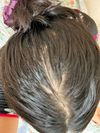
Microneedling may have benefits for hair loss even if only using oral finasteride without minoxidil. The effectiveness of microneedling without minoxidil is debated.
User seeks advice for mom's hair loss, considering treatments like spiro, iron/biotin supplements, 2% minoxidil, and Nioxin. Mom has Parkinson's and low estrogen due to hysterectomy, which may contribute to thinning.
The post discusses using microneedling alone for hair regrowth without finasteride or minoxidil due to side effects and dependency concerns. The user is also considering the "Zix" formula, acetic acid, topical zinc solutions, and lithium chloride.
A woman experiencing hair loss due to high testosterone and low vitamin D is using treatments like Dutasteride, Rogaine, zinc, ketoconazole shampoo, dermastamp, iRestore, multivitamins, scalp massager, and vitamin D. She plans to switch to oral Minoxidil under medical supervision.
Hair loss is causing distress and self-esteem issues, with discussions on treatments like finasteride, minoxidil, and hair transplants. Some suggest topical treatments or lifestyle changes, while others stress the importance of confidence and self-acceptance.
The user experienced worsening hair loss despite using finasteride, minoxidil, and microneedling. Suggestions included reducing microneedling frequency, switching to oral minoxidil, adding tretinoin, and considering dutasteride.
The user experienced hair loss issues after switching from finasteride to dutasteride and back, with stress and seborrheic dermatitis affecting hair quality. They plan to continue finasteride, treat seborrheic dermatitis, and monitor nutrient levels, considering low-dose oral minoxidil if safe.
The user reported progress in hair loss treatment using oral finasteride, keto 2% shampoo, and vitamin D. They experienced reduced hair fall, fewer scalp issues, and hope for improved hair density.
Excess Vitamin A and topical retinoids can cause diffuse hair shedding. The user suspects their chronic telogen effluvium may be linked to using adapalene, a topical retinoid.
The conversation discusses scalp itching and tenderness after microneedling, despite using medicated shampoos and proper sanitation. The user plans to see a dermatologist and is concerned about possible infection or allergic reaction.
The conversation discusses using finasteride for hair loss, with iron supplements helping to slow shedding. The user emphasizes that shedding doesn't necessarily mean permanent hair loss.
Factors that can cause hair loss other than DHT, such as inflammation and diet, and potential treatments like scalp massages, minoxidil, citrulline, stretches, meditation, iron sulfate/Vitamin C, Vitamin D, protein and Dutasteride.
Young men often lack awareness of hair loss treatments like finasteride and minoxidil, causing stress and anxiety. There is a need for increased awareness and early screening to address the psychological effects of hair loss.
A 25-year-old woman has been losing hair for 10 years despite normal thyroid, hormone levels, and B12 supplementation. She has used Minoxidil with limited success and is considering hair transplants, Propecia, or shaving her head and wearing wigs.
A teenager experiencing hair loss is using minoxidil, a derma roller, and plans to add ketoconazole shampoo to their routine. They are advised to continue this regimen consistently for at least six months to see results, with the shedding being a normal part of the process.
A 29-year-old female is experiencing severe hair loss and bald patches, seeking advice on shampoos, conditioners, hair masks, or topical medications. A user suggests starting an oral supplement.
An 18-year-old is seeking advice on microneedling while using RU58841 for hair loss. Recommendations include using a derma pen with 0.5mm needles every two weeks and avoiding RU application for 24 hours post-microneedling to prevent absorption into the bloodstream.
The user experiences severe side effects from finasteride and dutasteride, including low libido and anxiety, and is currently using oral minoxidil despite shortness of breath. They are seeking alternative treatments for hair loss, having tried pyrilutamide, fluridil, and RU58841 with no success, and are considering future treatments or a hair transplant.
A 20-year-old male experienced significant hair shedding for nearly 10 months, despite using finasteride, oral minoxidil, and ketoconazole, and is concerned about chronic telogen effluvium. He has been supplementing with vitamins and minerals but remains unsure of the cause.
Liver problems may reduce the effectiveness of oral minoxidil due to impaired SULT1A1 enzyme activity, which is crucial for converting minoxidil to its active form. This reduction in enzyme function can significantly decrease the drug's effectiveness in promoting hair growth.
The conversation discusses hair loss, with users suggesting treatments like ketoconazole shampoo, finasteride, and dutasteride. Symptoms like burning and tenderness are mentioned, with recommendations to see a dermatologist for potential scarring alopecia.
Taurine shows potential in combating hair loss caused by chemical stress, especially when combined with other treatments like finasteride. Finasteride demonstrated better stress-reducing effects in the study.
A 20-year-old is experiencing hair loss and has tried Minoxidil, ketoconazole shampoo, dermarolling, Biotin, Selenium, Zinc, and a shampoo with various ingredients but is still losing hair. They had side effects from topical finasteride and are considering RU58841 but are concerned about past heart issues.
Dutasteride mesotherapy in women with metabolic syndrome accelerated hair loss after initial regrowth, while women without metabolic syndrome saw continuous regrowth. The user with mild insulin resistance is hesitant to try topical dutasteride and seeks experiences from others with insulin resistance.
A young woman with genetically thin hair is stressed and embarrassed, seeking advice. Suggestions include seeing a dermatologist, using spironolactone, and minoxidil for hair regrowth.
A 21-year-old experiencing hair loss was prescribed two shampoos and hair vitamins by a dermatologist who suggested seborrheic dermatitis as the cause. However, users in the conversation suggested the hair loss could be male pattern baldness (MPB), recommending monitoring the situation and considering finasteride as a treatment.
The conversation discusses whether a gluten/wheat-free diet is beneficial for hair loss when taking finasteride and minoxidil. It questions if dietary changes are necessary or if using finasteride and minoxidil is sufficient.
Finasteride and minoxidil do not negatively interact with multivitamins, omega-3 fish oils, biotin, magnesium glycinate, or collagen peptides. Users report no issues taking these supplements alongside their hair loss treatments.
Coffee may negatively impact hair health due to its vasoconstrictor effects, potential to increase DHT, and interference with nutrient absorption. There is no strong clinical evidence linking caffeine to hair loss or regrowth in humans, but moderation is advised.
Low vitamin D levels can negatively impact hair growth, and supplementing with vitamin D, along with treatments like finasteride and minoxidil, may help improve hair health. Quitting smoking and ensuring adequate vitamin B12 and K2 intake are also suggested to support hair regrowth.