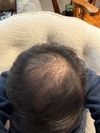
The conversation is about hair loss treatments. The user considers natural remedies but is advised that finasteride, dutasteride, and minoxidil are more effective.
A 21-year-old has been using finasteride and minoxidil for 2.5 years without improvement in hair loss. They also tried RU58841, rosemary oil, and biotin, but none were effective.
The user "ajsr8" shared their story of hair loss despite being on treatments. They started using finasteride in 2019 and later tried topical minoxidil, but it didn't seem to work. They also experienced side effects from other treatments. They are considering cutting off their hair and stopping the medications if there is no improvement in three months. Other users suggested trying different treatments and getting a blood test to check for underlying conditions.
A user experienced a significant drop in testosterone levels after taking finasteride, leading to side effects like low libido and muscle mass loss. Despite its effectiveness for hair, the user decided to stop finasteride due to its impact on hormones, preferring to be bald.
User "Number_Worried00" is using a treatment stack for hair loss, including Minoxidil, Finasteride, Dutasteride, Estradiol, Cetirizine, and Pyrilutamide. Another user suggests that if the cause is vitamin deficiency or inflammation, the stack may not be effective.
The conversation discusses various theories and suggestions for hair loss, with a focus on DHT as the primary cause. Treatments mentioned include Minoxidil, finasteride, and RU58841.
User experienced hair loss on the top of the head for 2 years, noticed improvement after adding a smoothie with various fruits, vegetables, and seeds to their diet. They observed increased hair growth after 2 weeks of this dietary change.
Finasteride isn't working after 8 months, and stopping minoxidil led to no regrowth. Advice includes resuming minoxidil, correcting iron deficiency, and continuing finasteride.
User experienced hair loss improvement after 7 months using finasteride, zinc, vitamin D, minoxidil, and microneedling. Others praised the progress and discussed the importance of zinc and vitamin D in hair health.
A user in their mid-30s experienced unexpected hairline regrowth after starting a new supplement stack, despite being on a regimen of finasteride, minoxidil, and Nizoral for over four years. The new supplements include Tongkat Ali, Fadogia Agrestis, Panax Red Ginseng, Vitamin B1, Vitamin D3, Zinc Picolinate, Magnesium Glycinate, Maca, and L-Citrulline.
The conversation discusses using herbal oils, scalp massage, and dietary changes for hair loss prevention, with some success in regrowing baby hairs. Treatments mentioned include peppermint oil, cinnamon oil, castor oil, and RU58841.
A user shared their successful hair regrowth routine, which includes finasteride, derma rolling, minoxidil (Rogaine), biotin pills, and vitamin D supplementation, and saw noticeable results in 3 months. They suggest this routine as a variation of the "Big 3" hair loss treatments and have created a website to sell the products they used.
A 21-year-old's hair loss worsened despite using finasteride, oral and topical minoxidil, microneedling, and keto shampoo for a year. They are considering switching to dutasteride and improving their diet.
A 25-year-old male with seborrheic dermatitis and hair thinning seeks advice on the severity of his condition and treatment options. Oral finasteride and oral minoxidil are recommended as the most effective long-term treatments.
The user experienced mixed results after one year on Dutasteride, with some areas of hair appearing worse and others better. They increased their Dutasteride dose to 2.5 mg daily and started using RU58841, with suggestions to add Minoxidil for improved results.
A 23-year-old achieved significant hairline regrowth using minoxidil, saw palmetto, collagen peptides, biotin, omega-3, iron, ketoconazole shampoo, and scalp care techniques, without finasteride or dutasteride. The user attributes success to this combination but is unsure which element is most effective.
The user plans to stop finasteride after three months, believing hair loss isn't due to DHT, and will continue with oral minoxidil, microneedling, and ketoconazole shampoo. They suspect stress and poor nutrition are the main causes and seek opinions on DHT blockers' effectiveness.
The user experienced significant hair regrowth and increased density after six months of using 0.5mg Dutasteride, 5% Minoxidil foam, and Olly hair gummies daily. The user plans to discontinue the gummies, believing the medications are primarily responsible for the improvement.
The user experienced hair regrowth with oral minoxidil and finasteride but faced aggressive hair loss after developing IBS, questioning if the condition affects medication absorption. They are considering switching to topical treatments.
A 25-year-old male experienced significant hair loss due to telogen effluvium and androgenetic alopecia. He began using finasteride, minoxidil, and vitamins, seeing some regrowth but remains worried about hair density.
Hair loss is often linked to inflammation and DHT, with treatments like finasteride, dutasteride, and minoxidil being effective for many. Natural remedies like turmeric and oils are discussed, but medications are generally seen as more reliable for managing genetic hair loss.
The user plans to switch from topical to oral finasteride (1mg/day) and minoxidil (3mg/day) due to unsatisfactory results with topical treatments. They seek advice on the effectiveness, potential side effects, and the timing for considering a hair transplant, with recommendations to monitor health metrics like blood pressure and conduct thorough bloodwork before starting.
A 24-year-old woman with AGA and TE since age 14 is questioning if her hair is regrowing or breaking. She has been using minoxidil consistently since September 2025, along with caffeine and ketoconazole shampoos, rosemary oil, and saw palmetto, and has improved her overall hair care routine.
Male pattern baldness and diffuse thinning can both be forms of androgenetic alopecia (AGA), and it's important to consult a doctor for proper diagnosis. Treatments like Minoxidil, Finasteride, and biotin are discussed, but their effectiveness varies, and side effects are a concern.
The user experienced facial puffiness after switching from finasteride to dutasteride, which they believe is due to dutasteride. They are seeking advice on reversing this effect, considering factors like diet, exercise, and potential hormonal changes.
The user experienced significant hair loss after 9 months of using 0.5mg dutasteride and oral minoxidil, possibly due to alopecia areata. It is advised to consult a doctor for accurate diagnosis and treatment, as dutasteride and finasteride may not be effective.
An 18-year-old plans to start using minoxidil with dermastamping for hair loss but is delaying finasteride due to concerns about side effects and hormone effects. They are seeking advice on whether starting minoxidil without finasteride is a good decision.
A 16-year-old experiencing diffuse hair thinning is considering using minoxidil and plans to start finasteride at 18, while others suggest alternatives like saw palmetto and pumpkin seed oil. Users advise consulting a doctor before starting treatments and emphasize the importance of understanding the cause of hair loss.