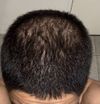
Finasteride can reduce semen volume due to prostate shrinkage but doesn't affect fertility. To increase semen volume, consider zinc, lecithin, and reducing finasteride dosage.
A 19-year-old is frustrated with doctors giving misleading information about hair loss treatments, specifically finasteride and minoxidil. They plan to self-administer finasteride due to concerns about side effects and lack of supportive medical guidance.
The user reports positive results in hair growth using daily oral finasteride (1.2mg), minoxidil (3mg), and biotin (2.5mg), along with collagen peptides, exercise, and weightlifting. Other users comment on the progress and discuss the effectiveness and side effects of these treatments.
The conversation is about hair loss treatments, specifically using dutasteride and oral minoxidil, and exploring additional vitamins and supplements like vitamin D, zinc, biotin, and omega-3 to support hair health. Users suggest getting a blood panel to identify deficiencies and emphasize the importance of protein and overall nutrition.
A 17-year-old using 5% topical minoxidil experienced significant hair shedding after a year, possibly due to a "synchronization shed" and deficiencies in vitamin D and iron. Recommendations include continuing minoxidil, optimizing vitamin D and iron levels, and reducing tretinoin use if scalp irritation occurs.
The user has been using Dutasteride, Minoxidil, and Biotin for three months and believes there is some hair regrowth, especially at the crown, with no significant side effects. Other users suggest that while some thickening and minor growth are visible, more time is needed for full results.
A user shared their hair transplant update, having received 4,300 grafts and choosing not to use medications like finasteride or minoxidil due to potential side effects and personal reasons. Many commenters expressed concern that without these medications, the user might experience further hair loss, suggesting that preventative treatments are important for maintaining transplant results.
A 19-year-old trans female has been using topical minoxidil and dermarolling for nearly two months, alongside oral minoxidil, finasteride, spironolactone, and estrogen. She noticed significant hair improvement after starting topical minoxidil and dermarolling.
A 23-year-old woman with androgenetic alopecia (AGA) is using minoxidil, rosemary oil, and dermastamping for hair loss, and is concerned about the effectiveness of minoxidil. She follows a detailed hair care routine and takes supplements like inositol, magnesium, saw palmetto, iron, multivitamins, vitamin D, and B12.
The user has been using a treatment of 0.1% topical finasteride, 5% minoxidil, dermastamping, and vitamin D3 supplements for 85 days and is seeing good progress. Other users note the effectiveness of topical finasteride despite it being less potent.
A 31-year-old woman experienced crown hair growth using a topical solution of finasteride (0.1%) and minoxidil (5%) over five months. She applies the solution once daily, improved her fitness, and takes vitamin D and magnesium supplements.
A 20-year-old is experiencing hair loss and has low levels of Vitamin D, B12, and iron. They are seeking advice on vitamin D supplementation, despite no family history of hair loss.
Combining tretinoin with minoxidil may improve absorption by exfoliating the scalp, but results vary. Users suggest starting with low frequency to avoid irritation, and some recommend additional treatments like finasteride or microneedling.
The user has been using finasteride consistently for 2 years and oral minoxidil for 4 months, noticing some hair regrowth. They also take vitamin D supplements to improve hair growth.
The user experienced significant hair loss due to health issues and has only taken vitamins for recovery. They are seeking advice on regrowth progress after two months.
A user has been using minoxidil and finasteride for hair loss for about five years, noticing that while it hasn't improved much, it has slowed hair loss. They recently added topical retinol, which seems to have increased hair growth, possibly by enhancing minoxidil absorption and activity.
The conversation discusses a hair loss prevention regimen using a custom topical treatment with Dutasteride, Minoxidil, Latanoprost, Cetirizine, Tretinoin, Vitamin D3, and caffeine, along with supplements like iron, selenium, vitamin D, and vitamin B. The user advises against expensive treatments like LLLT caps and unnecessary natural supplements.
The user experienced significant hair regrowth with finasteride but noticed recent hair thinning, possibly due to nutrient deficiencies and weight loss. They plan to add microneedling and consider switching to dutasteride.
The conversation discusses hair loss and the potential impact of zinc supplementation, with some users suggesting it might contribute to shedding. The original poster is using finasteride and considering adjusting their zinc intake and dosage of finasteride.
Using finasteride and minoxidil for two months led to noticeable hair regrowth, especially at the temples, with minor side effects. Users discuss their experiences with these treatments, noting minimal sexual side effects and encouraging others to try them.
The conversation discusses hair loss treatments, specifically the use of finasteride, minoxidil, and dutasteride, with some users suggesting switching to dutasteride for better results. Additional suggestions include iron supplements, microneedling, RU58841, and castor oil, with varying success in regrowing hair, particularly on the crown.
OP had a doctor appointment, was advised to try B vitamins and change shampoo for hair loss, and may consider Finasteride if no improvement. Users suggest seeing a dermatologist directly, as vitamins likely won't help much with AGA.
Biotin is being misleadingly marketed as a primary treatment for androgenic alopecia, overshadowing more effective treatments like finasteride and minoxidil. There is a call for increased awareness and accountability to prevent misinformation.
The user has been microneedling at 0.25mm once a week for 4 weeks and noticed further hairline recession. They are concerned about the impact of vitamin deficiencies, like biotin, on hair growth.
User is experiencing increased sebum, dandruff, and acne after taking a supplement containing biotin, iron, zinc, and calcium pantothenate along with finasteride. They are questioning if biotin is the cause and whether they should stop taking it.
The user has been using minoxidil 5% twice daily, micro-needling, topical finasteride every other day, and various supplements for 3 months to treat hair loss and has seen positive results. They also mentioned using hair growth tablets, biotin, zinc, and vitamins B and D, but not consistently.
The user has been taking finasteride for 4 months, vitamin supplements for 8 months, using a dermaroller for 2 months, and ketoral for 8 months, but has not seen improvement in hair loss. They seek advice on how long to wait for positive effects or what else to add.
The user is experiencing stage 2 hair loss and thinning, noticing more scalp visibility with short hair. They are considering diet, yoga, scalp massage, supplements, and a serum recommended by their doctor, and questioning if it's safe to stop using the serum and whether to get a blood test since hair loss isn't a family trait.
The user has been using 5% minoxidil with 0.1% finasteride for 8 months with great results but noticed increased hair loss in winter. They also found vitamin deficiencies and improved their diet and exercise but are still experiencing hair loss.
B-complex vitamins may improve hair appearance but have limited impact on hair loss. Some users also use minoxidil and finasteride for hair loss treatment.