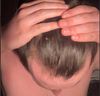
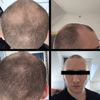
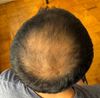
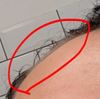
The user is experiencing hair regrowth in small clusters using oral minoxidil, oral finasteride, a red light cap, and Nizoral 2% shampoo. They are hopeful for continued improvement and thicker hair.
A 30-year-old male saw significant hair regrowth after 8 months using minoxidil, finasteride, microneedling, and Nizoral shampoo. He experienced no side effects from finasteride and credited his success to this regimen.
The user experienced hair loss starting at 16 and used finasteride and minoxidil, later switching to dutasteride and oral minoxidil, which improved hair thickness after an initial shedding phase. The user also noted the importance of using shampoo to manage dermatitis and maintain scalp health.
The user is concerned about hair loss and is considering treatments like finasteride and minoxidil but is unsure about their effectiveness and side effects. They have experienced mixed reactions to shaving their head and are struggling with confidence due to balding.
Hair regrowth from treatments like finasteride, dutasteride, and minoxidil can take several years, with most visible results appearing within 1-2 years and potential improvements continuing up to 10 years. Consistency and patience are crucial for achieving maximum hair thickness, as hair miniaturization and regrowth are gradual processes.
A 29 year old female with hair loss issues that have been linked to PCOS; the user has started taking Spironolactone and iron supplements in hopes of regrowing their hair, but is wondering if it's too late.
A 19-year-old experiencing early hair loss started using finasteride to address diffuse thinning, despite concerns about potential side effects. They also use T/Gel and OGX Thick and Full shampoo, and have a dermatologist appointment scheduled to explore possible allergies.
The user experienced hairgrowth using 2.5mg oral minoxidil, 0.5mg dutasteride daily, and 2% ketoconazole shampoo twice a week, noting fuller hair and less noticeable temple recession. They switched from finasteride and topical minoxidil to more aggressive treatments for better results.
A user shared their successful hair regrowth journey using finasteride, minoxidil, microneedling, and castor oil, highlighting the importance of persistence despite initial shedding. They reported no side effects and encouraged consistency in treatment.
A user claimed significant hair regrowth over 18 months using minoxidil, finasteride, ketoconazole shampoo, dermastamping, and supplements without a transplant. Commenters were skeptical, suspecting a hair system might be involved.
The conversation discusses regret over delaying hair loss treatment, specifically with finasteride, and the emotional impact of hair loss. The user eventually stabilized their hair using oral finasteride after trying other treatments like topical finasteride, Fluridil, and Alfatradiol, and is considering future options like a hair transplant.
The user is concerned about patchy hair regrowth after 5.5 months of treatment. They are questioning if more hairgrowth can be expected in the upcoming months.
The user has experienced noticeable hair regrowth after 7 months and 20 days using finasteride, minoxidil, dermastamping, vitamin D, zinc, and ketoconazole shampoo. The user reports improved hairline and self-esteem with no side effects.
The user experienced significant hair regrowth over eight months using topical minoxidil twice daily and 1mg oral finasteride daily. They also mentioned using a DHT blocker to aid regrowth.
Hair transplants can initially yield good results, but native hair is more reliable, and transplanted hair may still be lost over time. Early intervention with treatments like topical finasteride and minoxidil is recommended, but it's important to start with lower doses and manage expectations realistically.
The user is experiencing hair thinning and brittleness, possibly due to Telogen Effluvium, which affects body hair and may be linked to stress or nutrition. They are considering using finasteride for treatment but are unsure if it will address their symptoms.
The user is using minoxidil, finasteride, ketoconazole shampoo, biotin, and omega-3 for hair loss treatment. They are concerned about progress, but responses suggest patience and addressing dandruff for better results.
The user is considering postponing a scheduled hair transplant to see if finasteride and minoxidil treatments improve hairgrowth. Another user suggests waiting several months to assess the effectiveness of the medications before deciding on surgery.
The user experienced subtle hairgrowth improvements using finasteride, dutasteride, and minoxidil over nearly three years, with notable progress at the temples. The front hairline shows quicker regrowth cycles, but the vertex and crown remain unchanged.
A user shared their 16-month hair regrowth progress using finasteride, oral minoxidil, and micro-needling, noting significant improvement and minor side effects like stray ear hairs. Consistency in treatment was emphasized, with noticeable hair improvement within the first 6 months.
The user experienced significant hair regrowth using minoxidil, microneedling, and estrogen, leading to a need to tie their hair back. They attribute the success to estrogen suppressing testosterone, alongside their routine of minoxidil, microneedling, and supplements.
A 30-year-old woman with a history of anemia and low vitamin D experienced hair shedding, which improved after addressing nutrient deficiencies. Despite regrowth of terminal hairs, her dermatologist recommended treatments like minoxidil and spironolactone to prevent future bald spots, but she is cautious due to family history of hormone-related cancers.
Hair loss progress pictures can be misleading due to differences in lighting, hair length, and wetness, making it hard to accurately assess changes. Treatments mentioned include minoxidil and finasteride, with some users expressing skepticism about their effectiveness.
The conversation discusses the slow transition from baby hair to normal hair while using finasteride and transitioning to dutasteride, with progress except for the crown area. It's mentioned that hair thickening can take years, with each growth cycle potentially making the hair thicker, and this process can span over 6 months or more.
People are discussing hair loss after COVID, with one person reporting significant thinning and asking about recovery time and treatments. Their current treatment includes daily Minoxidil, daily 0.5mg Dutasteride, twice-weekly Ketoconazole 2%, daily RU58841, and weekly microneedling.
Stopping hair loss treatments like finasteride and minoxidil can result in losing regrown hair, highlighting the importance of consistent use. Restarting these treatments may cause temporary shedding, but hair can regrow with continued use.
A 43-year-old male has been using oral minoxidil, finasteride, and dutasteride for hair loss, with some stabilization and thin hairgrowth but no significant cosmetic improvement. He is considering increasing microneedling frequency and exploring other options, as he is concerned about the lack of terminal hairgrowth.
The user has been using finasteride for 18 months and minoxidil for 9 months, recently switching to dutasteride, but still struggles with hairgrowth at the hairline. They are considering taking creatine and are unsure if it would be a bad idea.
The importance of patience when using treatments for hair loss, such as finasteride, minoxidil and RU58841, which can take 6-12 months to show results, sometimes causing initial hair loss. Everyone's experience is different, so it may take time to find what works best.
A 16-year-old noticed hair thinning on the crown and sides of the head, with minimal temple thinning. After using Minoxidil for 6 months, some areas improved, but the crown worsened, and they seek advice on the irregular hair loss and treatment options.