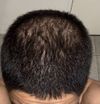
The user started dutasteride and oral minoxidil but saw no improvement in crown hair regrowth. Users suggest increasing the minoxidil dose and seeking a second opinion.
A 31-year-old has been using finasteride for 1.5 years and microneedling for 6 months but hasn't seen improved hair density and is experiencing receding temples. They are considering switching to dutasteride or adding minoxidil to their treatment.
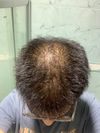
The user experienced noticeable hair thickening and new growth after two months using a topical solution of minoxidil and finasteride. Continued improvement is expected, with potential for a full head of hair after further treatment and possibly a transplant.
Trans woman experiencing thinning hair despite low testosterone and finasteride use seeks possible causes and solutions. Current treatments include finasteride, spironolactone, estradiol, vitamins, and microneedling; minoxidil not tried due to concerns about dependence and side effects.
The user experienced minor hair regrowth after 4 weeks of using oral minoxidil and dutasteride, despite initial side effects like minor sickness and reduced sexual desire. The user is surprised by the early results and plans to continue the treatment, also using Nizoral shampoo.
A 28-year-old male is experiencing temple regrowth but crown thinning while using 5mg minoxidil and 0.5mg dutasteride. The shedding phase is seen as a positive sign of treatment effectiveness, with expectations of noticeable improvements around 6 to 12 months.
The user experienced hair loss after 21 months of using oral minoxidil and finasteride and is considering switching to dutasteride. Others suggest it might be temporary and recommend staying consistent or trying additional methods like hair loss shampoo, microneedling, or checking vitamin levels.
A 22-year-old is using minoxidil for hair loss but is hesitant to start finasteride due to mixed advice and fear of side effects. They seek guidance on whether to begin finasteride despite concerns about potential permanent side effects.
A 32-year-old male has been dealing with hair loss since 2010 and started treatment 11 months ago. He used dutasteride, finasteride, minoxidil, multivitamins, vitamin D3, PRP, and a laser cap, resulting in improved hair density despite ongoing shedding.
Finasteride's effectiveness and side effects may vary based on male phenotypes, with some users noting differences in response related to body and facial hair characteristics. Some users report success with lower doses, while others experience side effects, suggesting individual variability in response to the treatment.
Young men often lack awareness of hair loss treatments like finasteride and minoxidil, causing stress and anxiety. There is a need for increased awareness and early screening to address the psychological effects of hair loss.
An 18-year-old experienced hair loss from age 13, tried minoxidil and finasteride, and found confidence by shaving his head. Others shared similar struggles, with some considering treatments like hair systems or transplants.
The user experienced significant hair regrowth using oral finasteride (1 mg) and oral minoxidil (2.5 mg) daily, with minimal side effects. They also use testosterone to balance any libido effects from finasteride.
A 17-year-old male is experiencing genetic hair thinning and is considering using finasteride and minoxidil for treatment. He is frustrated with dermatologists' suggestions of vitamins and seeks advice on effective solutions.
The user experienced significant hair improvement over nine months using a routine of oral finasteride, mixed topical and oral minoxidil, microneedling, and Head & Shoulders shampoo. The user attributes the progress to oral minoxidil and reduced stress during paternity leave.
A 31-year-old male experienced significant hair regrowth after 6 months using daily 0.5 mg dutasteride, 5% topical minoxidil twice a day, occasional dermarolling, and hair supplements. He reported a slight decrease in libido initially but no other side effects, and there's potential for further improvement up to 12–18 months.
A 20-year-old is experiencing severe diffuse thinning and shedding despite using oral minoxidil for 12 months and dutasteride for 8 months, after previously trying finasteride. They are frustrated with the lack of improvement and considering trying RU58841.
A 26-year-old male considering a hair transplant is using topical finasteride and minoxidil, planning to start feminizing hormone replacement therapy (HRT) with estrogen and spironolactone. Many suggest waiting to see the effects of HRT, which may significantly regrow hair, before deciding on a transplant, and recommend adding microneedling and possibly switching to oral treatments for better results.
The user is using 0.5mg dutasteride daily and 3mg oral minoxidil daily for hair loss, but hasn't seen improvements after five months. They report miniaturization and thinning, especially at the hairline and crown, and are advised to wait at least a year for better results.
A 19-year-old male is experiencing hair loss and has been prescribed finasteride by a Telehealth company. He plans to start finasteride, improve his lifestyle, and take supplements like DIM and Zinc to manage potential side effects.
A 22-year-old male uses dutasteride, a serum with 10% minoxidil and 0.5% finasteride, and microneedling for diffuse androgenetic alopecia. Progress pictures show changes from July 2025 to February 2026.
A 24-year-old shares progress on hair regrowth after 3 months using 2.5mg oral minoxidil, 0.5mg dutasteride, and scalp injections of dutasteride, minoxidil, and vitamins every two weeks. They are uncertain if the improvement is due to actual regrowth or just longer hair.
The conversation is about someone's hair growth progress after using dutasteride and oral minoxidil for eight months, with users commenting on the increased hair density and volume. Some users are skeptical, but the original poster insists there is a significant improvement in hair density.
A user shared their positive experience with hair regrowth using minoxidil, hormone replacement therapy, and cyproterone acetate during their male-to-female transition. Another user discussed their successful hair transplant after transitioning and using finasteride, highlighting the challenges of hair loss and regrowth during transition.
A 25-year-old male saw significant hair growth in the temple regions after 9 months of using minoxidil and finasteride. He is happy with the progress but acknowledges more improvement is needed.
PP405 shows initial promise for treating androgenetic alopecia, with safety confirmed in early trials, but skepticism remains due to limited data. Further trials are needed to determine its true efficacy and potential market impact.
A 20-year-old started using finasteride, topical minoxidil, and high-dose Vitamin D3 a month ago and is already seeing new hair growth. Others suggest adding dermastamping for better results.
The conversation discusses using estradiol mesotherapy to replicate hormone replacement therapy results while minimizing systemic exposure. It also covers the use of Spironolactone cream, which reportedly has no systemic side effects, and the potential risks of using bicalutamide and Spironolactone in men.