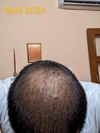
Switching from topical to oralminoxidil for hair loss treatment. The user seeks advice on dosage and whether to overlap or combine both forms for better results.
Minoxidil may inhibit androgen receptors and affect hormonal pathways, potentially explaining its effectiveness in treating androgenetic alopecia (AGA). Users discuss its varying effectiveness on scalp versus facial hair and note fewer side effects with topical use compared to oral.
User shares 8-month hair growth progress using 2.5mg oralminoxidil and 2ml topical minoxidil/finasteride mix. Others comment on noticeable improvement and discuss user's journey and treatment details.
Oralminoxidil has gained popularity as a hair loss treatment, with more online discussions and research showing it's safe in low doses. A viral New York Times article also contributed to its increased acceptance.
A 24-year-old male doctor shares his 3-month progress using 0.5 mg oral finasteride and 5% topical minoxidil daily, noting some hair regrowth and incorporating microneedling. He prefers a "less is more" approach initially and discusses the potential benefits of oralminoxidil.
This conversation is about a user named "mr_mime125" who experienced results from using topical finasteride (0.1%) and minoxidil (5%) solution 1.5 ml twice a day for the first two months followed by just minoxidil (5%) 1 ml once a day in the last month, resulting in a drastic improvement to their hairline. Other users discussed their progress while asking questions and offering encouragement.
A 52-year-old man has been using 5% Minoxidil twice daily for 30 days to treat hair loss, alongside 2.5mg Finasteride, which he reduced from 5mg despite his doctor's advice. He has a history of hair loss due to testosterone treatment and hopes to see improvement in the crown area of his scalp.
The conversation discusses hair regrowth using minoxidil and dutasteride, with users sharing their experiences and results. Some users report improvements, while others mention side effects like low libido and erectile dysfunction.
The user shared their experience with liquid Minoxidil, which initially worked well but caused severe skin irritation, leading them to stop. They are now trying oralMinoxidil and plan to document their progress weekly.
Minoxidil alone is often insufficient for significant hair regrowth, with many users experiencing limited results or side effects, leading them to add finasteride or dutasteride for better outcomes. Some users report initial improvements with minoxidil but eventually require additional treatments to maintain or enhance hair growth.
Oralminoxidil can cause serious heart issues like cardiac hypertrophy and arrhythmias, prompting some users to reduce dosage or switch to topical treatments. Despite significant hair regrowth, side effects such as shortness of breath and chest pains are common concerns.
A user's 18-month progress on their hair loss treatment regimen, which includes 5mg oralminoxidil, 1.5mm microneedling with a pen once weekly, and 0.5mg/day dutasteride; other users noted the positive effects of finasteride and dutasteride in reducing DHT levels.
A 38-year-old man is using topical and oralMinoxidil, DHT blocker shampoo, and microneedling for hair regrowth, with plans to add Finasteride later. Many users suggest starting Finasteride or Dutasteride immediately to address the root cause of hair loss, while some express concerns about potential side effects.
A user experiencing severe shedding after starting 5% minoxidil foam for hair loss is seeking advice from others. Another user shared their positive experience with finasteride and minoxidil, suggesting that initial shedding can be a good sign and encouraging persistence with the treatment.
The user shared positive results after using 5% minoxidil foam nightly and dermastamping weekly for hair growth, noting significant progress after three months. They plan to add finasteride in the future but are currently avoiding it due to age.
A 19-year-old experiencing severe hair loss since 16 is using a treatment regimen of 5% minoxidil, 0.1% finasteride topical solution, 3% procapil hair serum, and 0.5 mg dutasteride daily. They are concerned about the effectiveness and potential shedding phase, with advice suggesting noticeable changes in 6 to 8 months.
A female user is considering using RU58841 with minoxidil 2.5% to reduce side effects like facial hair from minoxidil 5%, while also using copper peptides and a hair serum. Other users discuss alternative treatments like spironolactone, alfatradiol, and the side effects of finasteride.
The user has been taking finasteride 1mg/day since 2021 and recently added oralminoxidil 2mg/day for 40 days. They are questioning if the observed hair growth is due to minoxidil.
The user experienced hair regrowth using a combination of finasteride and minoxidil, but had to stop due to liver issues and switched to dutasteride. After resuming dutasteride and minoxidil, they faced absorption issues with minoxidil and sought advice on improving absorption.
The post discusses the user's successful hair regrowth after 15 months of using finasteride and ketoconazole. The user is considering starting oralminoxidil, but others suggest sticking with the current treatment or trying topical minoxidil instead.
The post discusses using oralMinoxidil and Dutasteride for hair loss. Minoxidil improved hair growth with mild hypertrichosis, while Dutasteride caused severe acne, cognitive issues, and mild anxiety, leading the user to prefer Finasteride.
The user shared a one-year update on using oral finasteride (1.1 mg) and oralminoxidil (3 mg) along with ketoconazole shampoo, reporting significant hair regrowth and satisfaction with the results despite some side effects like thicker eyebrows and chest hair. The user encourages others to start treatment early and plans to continue the current regimen for further improvement.
Oralminoxidil is effective for hair loss but may cause side effects like increased heart rate and edema. Finasteride is recommended, with dutasteride as an alternative if needed.
The user shared progress pictures after 2.5 years of using oralminoxidil (5mg daily) and finasteride (1mg daily) for hair loss, noting significant improvements over time. They experienced normal shedding and some beard growth, with no negative side effects reported.
A 21-year-old male used low-dose 5% topical Minoxidil inconsistently for four months, resulting in stopped hair shedding and improved hair density, though the hairline remained unchanged. Users discussed the potential use of finasteride and other treatments, with some suggesting consulting a dermatologist for further advice.
Minoxidil can be effectively delivered through nanoemulsions containing eucalyptol or oleic acid, enhancing its diffusivity and targeting hair follicles. This contradicts the advice against mixing minoxidil with oils in topical formulations.
A 33-year-old experienced significant hair regrowth over two years using daily oral finasteride and topical minoxidil, with no noticeable side effects. Consistent treatment led to visible improvement in hair density.
Hair loss treatments, specifically the use of oralminoxidil in combination with micro-needling. Oralminoxidil has been found to improve hair density in 90% of patients with a low side effect profile, but using 5mg per day can result in higher side effects including hypertrichosis and edema. Other treatments mentioned include finasteride and RU58841.
The user switched from topical to oralMinoxidil and is experiencing hair shedding without significant regrowth, despite using Finasteride and Dutasteride. They are considering whether their body isn't responding to oralMinoxidil and are exploring options like dermarolling.
The user is considering starting topical minoxidil alongside 1 mg oral finasteride but is concerned about potential shedding before their wedding. They are debating whether to start minoxidil now or wait a few months to allow their body to adjust to finasteride.