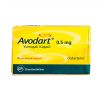
Increasing Dutasteride dosage from 0.5mg to 1.5mg may inhibit more scalp DHT, but the exact benefit is unclear. Combining Dutasteride with leftover Finasteride might not provide additional benefits.
The user is considering adding Alfatradiol or Pyralutamide to their current hair loss treatment of oral Dutasteride and Minoxidil. They are seeking advice on experiences and purchasing options for these products in the US.
The user is using 0.1% dutasteride, 1% minoxidil with 2% procapil and 0.005% caffeine in the morning, and 1% minoxidil with 2% procapil and 0.01% tretinoin at night. They are concerned about the solution vehicle's effectiveness in preventing systemic absorption and ensuring the products stay around the hair follicles.
A user has been using a topical hair loss treatment with finasteride, minoxidil, and tretinoin for 4 years without satisfactory results and is considering switching to a different product due to concerns about effectiveness and company reliability. They are seeking others' experiences with Strut and alternative products before making a change.
The user shared progress after two months using a topical formulation containing Dutasteride 0.25%, Minoxidil 5%, Cetirizine 1%, Melatonin 0.5%, Caffeine 2%, and Latanoprost 0.005%. The focus is on hair loss treatment results.
The conversation discusses the use of 5-alpha-reductase inhibitors like finasteride and dutasteride for hair loss in transgender women, particularly in relation to testosterone suppression. The original poster has been using dutasteride and is considering stopping it due to undetectable testosterone levels.
OP increased Dutasteride from 0.5mg to 2.5mg daily and added 5mg Oral Minoxidil, seeing progress after one month. They also used Nizoral Ketoconazole shampoo to reduce scalp inflammation.
The user is considering starting dutasteride (DUT) 0.5mg for hair loss due to lack of access to finasteride and is concerned about potential side effects. They seek guidance on whether to begin this treatment.
Dutasteride is generally considered more effective than finasteride for hair regrowth, with some users experiencing better results, especially at higher doses. However, individual responses vary, and some users report side effects or no response to either treatment.
A user has been taking finasteride for 5 months with no improvement in diffuse hair loss and suspects high levels of prolactin, cortisol, progesterone, and DHEAS, as well as iron, might be contributing to the issue. They are also taking vitamin D to address a deficiency.
Clascoterone 5% solution shows strong potential for hair growth, offering a new treatment for alopecia with minimal side effects. It blocks androgen receptors locally and may be available by late 2026 or early 2027.
A user is participating in a phase 3 trial for Clascoterone, a topical acne medication that may stimulate hair growth, and will share results after 6 months. They will have a section of their hair shaved and marked with a tattoo for the study.
Dihydrotestosterone (DHT) impacts various skin conditions, including Androgenetic alopecia and seborrheic dermatitis, by causing overactivity in sebaceous glands. Topical medications Tacrolimus and Clobetasol can reduce these inflammatory conditions, and treatments like RU58841, Minoxidil, and Finasteride may also be beneficial.
Fluridil, a non-steroidal anti-androgen approved for alopecia in parts of Europe, is noted for its low side effects but is not commonly discussed. The user is inquiring if anyone prefers it over other anti-androgens like Spiro or RU58841.
Alfatradiol (0.025%) is an effective and safe treatment for androgenetic alopecia in both men and women, increasing anagen hair rates with minimal side effects. Users discuss its cost-effectiveness and ease of use compared to other treatments like finasteride and RU58841, with some combining it with stemoxydine and Minoxidil.
The user experiences an itchy scalp and finds relief using shampoo and Zyrtec, which helps with inflammation. They are unsure if the issue is related to histamines or seborrheic dermatitis.
Alfatradiol is considered safe but less effective than finasteride for hair loss. One user reported subtle regrowth using alfatradiol with finasteride and minoxidil, while another found alfatradiol ineffective.
A 16-year-old is experiencing hair loss and is using minoxidil, finasteride, and plans to add RU58841, while considering other treatments like MK-677 and microneedling. Concerns are raised about the potential impact of these treatments on puberty and development.
The conversation discusses using a 0.03% topical Dutasteride solution for hair loss, as it may be more effective than Finasteride with fewer systemic side effects. OP plans to apply it daily for 100 days, then reduce frequency, due to past negative cognitive effects from oral treatments.
The user is using dutasteride, finasteride, and RU58841 for hair loss but is allergic to minoxidil. Suggestions include dropping finasteride, increasing dutasteride dosage, and considering alternatives like microneedling, laser treatments, scalp massage, and supplements.
The user experienced a sudden decrease in hair density after starting alfatradiol while already using finasteride. Another user mentioned that initial shedding can occur with hair loss treatments, but it may not last long.
The user has been using oral Dutasteride, RU58841, and Minoxidil for three years without success and is considering adding topical Finasteride or Dutasteride to target DHT both locally and systemically. Other users suggest sticking to a consistent treatment plan, exploring different combinations, and considering other factors like potential misdiagnosis or inconsistent medication use.
A user received a prescription for Dutasteride 0.5 in Europe and asked about the brand. Replies confirmed the brand's quality and suggested using the cheapest gelatin capsule form.
Increasing dutasteride from 0.5mg to 2.5mg may not significantly reduce hair loss and can cause side effects like sleep disturbances and brain fog. Many users find 0.5mg effective enough, while some switch to topical finasteride due to side effects.
The conversation discusses using Duodart (dutasteride + tamsulosin) for hair loss, with side effects like frequent urination and ejaculation issues leading to discontinuation. The user switched to German Avodart and experienced mood and erection side effects, considering adjusting the dosage to three times a week.
The post and conversation discuss different methods of applying hair loss treatments directly to the scalp. The original poster suggests using a 1ml TB Syringe & Ophthalmic Cannula for precise application, while others share their own methods, including sprays, droppers, and simple syringes.
A 52-year-old male with Multiple Sclerosis is considering using Finasteride and Testosterone Replacement Therapy (TRT) for hair loss but is advised to lose weight first to avoid side effects. He is currently focusing on diet, weight loss, and using Rogaine and microneedling for hair treatment.
The user switched from finasteride to dutasteride and experienced noticeable hair regrowth without side effects, though some users questioned the necessity of such a potent treatment given the minimal hair loss. The conversation also touched on potential side effects of dutasteride, such as reduced sperm quality, but the user reported no issues.