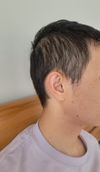
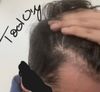
The conversation discusses hair loss treatments using oral minoxidil, oral dutasteride, and mesotherapy dutasteride, showing impressive 6-month results. The user wishes these treatments were available in the U.S.
User experienced itching, redness, and hives from Minoxidil foam and is questioning if they are allergic to Minoxidil or another ingredient. They have switched to oral Finasteride.
A 19-year-old is experiencing hair regrowth using 0.5mg dutasteride, topical minoxidil at night, topical redensyl in the morning, and weekly dermarolling. They have been on the treatment for a month and plan to share monthly updates over the next two years.
A user shared their hair loss progress using minoxidil, biotin, finasteride, and ketoconazole, with 7 months of microneedling. They confirmed using oral treatments.
The user underwent a biopsy two years ago and was diagnosed with keratosis pilaris, leading to hair issues. They tried treatments including Minoxidil, betamethasone, lymecycline, topical Accutane, and dutasteride, as well as diet changes, without improvement in hair thickness or skin dryness.
Switching from 2% liquid minoxidil to 5% foam minoxidil reduced scalp irritation but increased eyebrow flakiness and thinning. The user speculates that propylene glycol in the liquid formulation might have been protecting against seborrheic dermatitis while causing contact dermatitis.
A 26-year-old male with grade 3 hair loss is using 2.5 mg oral minoxidil, 1 mg finasteride, 5% minoxidil, ketoconazole shampoo, and kLM d3. He plans to post progress pictures every 6 weeks and is seeking suggestions.
A user is experiencing continued hair loss despite using 0.5mg dutasteride and 2.5mg minoxidil, and is seeking advice on why the treatments aren't working and how to address potential androgen receptor sensitivity. Replies suggest getting tested and considering scalp micropigmentation (SMP).
The user is seeking oral Minoxidil in Europe due to issues with topical Minoxidil causing dandruff and dry scalp. They have started using oral Finasteride and are considering Ketoconazole shampoo.
A 20-year-old is experiencing hair shedding two months after starting 2.5mg oral minoxidil and topical finasteride. They notice thinning in areas where finasteride is applied but also see new baby hairs growing.
The user started using minoxidil and a dermastamp after only using finasteride, experiencing initial hair shedding but noticing new hair growth. They are considering adding ketoconazole shampoo to their routine.
Adding tretinoin to a minoxidil routine can cause initial hair shedding, which may be normal as it potentially increases minoxidil's efficacy. Users suggest being cautious with tretinoin application, especially around microneedling, to avoid increased systemic absorption.
A user shared their hair loss journey, detailing their use of Kirkland Minoxidil 5%, finasteride, dutasteride, and weekly dermarolling. They experienced initial success with minoxidil but faced setbacks with oral minoxidil and are now back on topical treatments.
Dutasteride and minoxidil initially stopped hair loss, but a minoxidil allergy led to hair thinning. Alternatives suggested include oral minoxidil, microneedling, and ketoconazole shampoo while continuing dutasteride.
A user discusses their rapidly receding hairline and a prescribed topical solution containing 7% Minoxidil, 0.1% Finasteride, and 3% biotinoyl tripeptide. The solution is a custom compound from their dermatologist, costing $50 for a one-month supply.
A 30-year-old male with androgenic alopecia shows progress after using dutasteride (0.5 mg daily) and topical minoxidil (5% twice daily) for 3.5 months. Users suggest adding dermastamping for better results.
User shared results of using minoxidil and dermaneedling for hair loss over 2.5 months, noting improvements, especially around the left temple. No finasteride or other anti-androgens were used.
User shared progress pictures of hair regrowth using topical Minoxidil, oral Finasteride (later switched to topical), keto shampoo, biotin supplements, and dermarolling. Hairline improved slightly, considering a hair transplant for further results.
A 33-year-old man shares his positive hair regrowth results using 1mg finasteride daily, 5% topical minoxidil twice daily, and a 0.5mm dermaroller weekly. He feels more confident and encourages others to try the routine despite potential side effects.
Visible hair improvement after 10 weeks using minoxidil, estradiol enanthate, acetophenide algestone, and bicalutamide. The user is a 25-year-old male with reduced testosterone levels, expressing a preference for less masculinity.
User fought hair loss with Derminator microneedling, topical and oral minoxidil, and a 2000 FUE hair transplant. Derminator was a game changer, preventing further loss.
The conclusion of the conversation is that using minoxidil, finasteride, and ketoconazole may not be enough to address hair loss caused by DHT. Some users recommend starting finasteride to prevent further hair loss, while others express concerns about potential side effects.
A 22-year-old male has been using Dutasteride 0.5 mg every other day and Minoxidil 5% daily since December 2024 for hair loss, with no side effects reported. Users discuss varying dosages of Dutasteride, with some expressing concerns about higher doses.
The user is experiencing excessive hair thinning and is unsure of the cause. They are seeking opinions on treatments like Minoxidil, finasteride, and RU58841.
The user shared a 6-month update on using topical minoxidil 5% twice daily and dutasteride 0.5 mg weekly, reporting improved hairline and temple regrowth with no side effects. Microneedling was also mentioned as a helpful addition to the treatment.
A user's progress with hair loss treatments including minoxidil 5% twice daily, dermaroller 1.5mm, ketoconazole shampoo 2%, and a buzz cut; other users were surprised by the results as no finasteride was included in the treatment plan.
A dermatologist advised stopping minoxidil due to heavy shedding, suggesting alternative treatments like Betaval Lotion and supplements, but many users disagreed, recommending continuing minoxidil and adding finasteride for better results. The conversation highlights skepticism about the dermatologist's motives and emphasizes the importance of understanding the type of hair loss before choosing treatments.
The conclusion of the conversation is that the user, PirateBeastBaby, had good results with microneedling for hair loss after using oral finasteride and topical minoxidil 20 years ago. They believe that microneedling was the gamechanger for their hair growth.
An 18-year-old male is experiencing hair loss and is using topical minoxidil and oral finasteride. He is concerned about continued shedding, mild sexual side effects, and whether to adjust his finasteride dosage.
A 40-year-old male experienced significant hair regrowth and no hair fall after 5 months using topical minoxidil, dermarolling with a 1.0mm roller, Nizoral shampoo, and biotin gummies. He previously stopped oral finasteride due to daily pill concerns but now uses topical treatments without noticeable side effects.