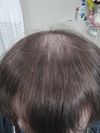
Treatments used to prevent and treat male pattern baldness, the difficulty in finding a permanent cure for hair loss, and the potential financial motivations of companies not wanting to find a cure.
How people's hair is compared to their fathers' at the same age, with some users noting that they have inherited different genes from either parent and are using treatments such as finasteride for hair loss.
The conversation discusses the effectiveness of different doses of finasteride for hair loss, questioning the need for 1mg daily when 0.5mg every other day has a similar impact on scalp DHT. A humorous reply suggests exaggerated side effects.
Finasteride can regrow hair but may cause depression and suicidal thoughts in some users. The connection between finasteride and mental health issues is debated, with some attributing it to pre-existing conditions or stress.
Starting hair loss treatment early is crucial for better results. Dutasteride and finasteride are effective, with dutasteride often considered superior, while oral minoxidil shows better gains than topical.
Users discuss waiting for new hair loss treatments and share struggles with side effects from current options like Minoxidil and Finasteride. They express hope for Pyrilutamide and CosmeRNA to provide better solutions.
HairClone is offering a Dermal Papilla Cell Hair Multiplication procedure in Guatemala, raising questions about its effectiveness and regulatory reasons for the location. Users express skepticism and curiosity about the treatment's success and potential costs.
The original poster believes shaving his head made him more attractive to a specific group of women, despite being less attractive overall. The conversation includes various opinions on attractiveness, with some agreeing that being bald can work for certain men, while others suggest maintaining hair is generally more appealing.
The conversation discusses hair loss concerns, with suggestions to use finasteride (Fin) and minoxidil (Min) as treatments. Stress, creatine in protein shakes, and male pattern baldness are considered potential factors.
The conversation discusses hair loss treatments, specifically mentioning Spiro, Min, Fin, and RU. It highlights that Spiro is generally for women and can affect men's hormonal balance.
The post discusses the side effects of various drugs causing excess hair growth, questioning why only minoxidil is used in the hair loss industry. The conversation includes users sharing their experiences and concerns about potential side effects of these drugs, with some preferring baldness over potential health risks.
Some users report eye issues like blurry vision and dry eyes while using finasteride or dutasteride, though others experience no changes. Concerns about myopia progression are discussed, but no clear link to these medications is established.
A user experienced increased pimples and cysts after two years on dutasteride, possibly due to hormonal changes. Suggestions included seeing an endocrinologist, using supplements like boron and DIM, adjusting diet, and reducing body fat to manage side effects.
The conversation discusses the potential benefits of creating a hydrophobic version of finasteride to reduce systemic side effects while maintaining scalp health. It compares this idea to fluridil, which is designed to be hydrophobic and has less systemic absorption.
A 24-year-old male started using finasteride, minoxidil, biotin, and vitamin D for hair loss but noticed worsening thinning and white patches on his temples. He seeks advice on improving his regimen, which includes topical minoxidil and a shampoo for seborrheic dermatitis.
A satirical discussion on intentionally inducing hair loss using harmful habits and substances like cigarettes, junk food, anabolic steroids, and stress. The conversation humorously suggests extreme measures like chemotherapy and hydrofluoric acid, while also mentioning the ineffectiveness of sulfates and pumpkin seed oil in hair loss prevention.
The user had more hair at age 39 than at 27 after using dutasteride, oral minoxidil, RU58841, and ketoconazole for over two years. Initially started with finasteride but switched to dutasteride after six months.
The user experienced significant hair thinning despite using finasteride and minoxidil, leading to concerns about whether it's a temporary shed or a more serious issue. They plan to start using RU58841 and are advised to consult a doctor to rule out other causes like autoimmune disorders.
A 57-year-old man uses a hair system, not a hair transplant, and likely had cosmetic procedures. Discussions include the effectiveness of hair systems and finasteride side effects.
A user experienced unexpected hormone test results after 7 months on 1mg daily finasteride, noting a decrease in estradiol despite expectations of an increase. Other users suggested that hormone responses can vary and that finasteride might still be effective if DHT levels are within range, while also mentioning factors like circadian rhythm and stress that could impact results.
Hair loss is less common now due to accessible treatments like finasteride, minoxidil, and hair transplants. Improved hair care, skincare, and lifestyle changes contribute to people looking younger today.
A 22-year-old is experiencing hair thinning despite using finasteride and dutasteride, and plans to try minoxidil next. The user is frustrated with the lack of results and is considering drastic measures if the situation doesn't improve.
A 24-year-old has been using Minoxidil and finasteride for 1.5 years with mild improvement but is being rejected for hair transplants due to age and diffuse thinning. They are seeking advice on what to do next.
A 21-year-old is experiencing hair loss and is unsure whether to choose minoxidil or finasteride. They prefer oral treatments and are leaning towards finasteride despite concerns about side effects and family opposition.
A 25-year-old male with normal hormone levels is considering starting finasteride and minoxidil for hair loss but is concerned about high estradiol levels and potential side effects. Responses vary, with some suggesting blood tests before starting treatment and others emphasizing individual tolerance and the importance of consulting a doctor.
The user has been using 0.5mg Dutasteride daily and topical Minoxidil but is experiencing worsening hair density and is considering switching to Finasteride, increasing the Dutasteride dose, or adding RU58841. They are also considering microneedling and have concerns about the effectiveness of generic Dutasteride compared to branded versions.
A user initially had side effects from finasteride, attributed them to anxiety and the nocebo effect, and after resuming the drug, experienced positive effects and now warns against misinformation about Post Finasteride Syndrome.
The user shared progress pictures comparing hair from February 2024 to September 2025, using Dutasteride since May 2020 and Minoxidil since April 2023. Another user noted that progress can't be assessed without before and after photos spaced months apart.
Many regret delaying hair loss treatments like finasteride and minoxidil, impacting self-esteem and dating. Additional treatments include scalp micropigmentation and hair transplants, with some experiencing side effects or high costs.