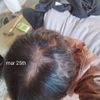
Tea tree oil shampoo resolved redness, itching, and increased hair thickness for the user, suggesting demodex mites as a possible cause. Nizoral was ineffective, but tea tree oil showed significant improvement over several months.
The user is concerned about high DHT levels despite using finasteride and dutasteride for hair loss, suggesting these treatments may not be effective. They plan to consult an endocrinologist and consider other antiandrogens, acknowledging potential side effects.
The conversation discusses the effectiveness of different doses of Dutasteride (Dut) in reducing scalp DHT levels. It suggests that 1mg and 1.5mg doses would reduce scalp DHT by amounts between 51% and 79%.
Dutasteride is humorously criticized for causing hairline damage and unwanted side effects. The conversation is satirical, with users joking about the effects of Dutasteride.
JeremySoCa's DHT level was 29 ng/dl, considered low, and Estradiol was 26.1 pg/dl within the normal range. They are using topical finasteride for hair loss and had a thyroidectomy due to Graves' disease.
A user shared progress photos after 37 days of using 0.5mg dutasteride for hair loss at age 17. The discussion focuses on the effectiveness of this treatment.
A 21-year-old with diffuse thinning hair is considering RU58841 due to side effects from topical finasteride and is asking for the lowest effective dose and time to see results from RU58841 users.
Dutasteride mesotherapy in women with metabolic syndrome accelerated hair loss after initial regrowth, while women without metabolic syndrome saw continuous regrowth. The user with mild insulin resistance is hesitant to try topical dutasteride and seeks experiences from others with insulin resistance.
After switching from finasteride to dutasteride, the user experienced a 25% increase in total testosterone and a 150% increase in free testosterone, with side effects like brain fog and nipple tingling. The user plans to consult a lab for accuracy and adjust the dutasteride dosage to manage side effects.
DHT affects hair follicles, contributing to hair loss, but the exact mechanism is unclear. Treatments like finasteride and minoxidil are used to manage hair loss, though they may have side effects and varying effectiveness.
Male pattern baldness (MPB) may be an early warning sign for type 2 diabetes due to its association with insulin resistance. Treatments discussed include testosterone therapy and finasteride, which affects hormone levels related to hair loss and insulin sensitivity.
The user experienced hair loss and used minoxidil, biotin shampoo, and supplements like biotin, zinc, fish oil, saw palmetto, and B vitamins, which initially stopped hair loss but did not promote regrowth. They suspect heat causes a dry, flaky scalp leading to hair loss and are considering using a supplementary shampoo and possibly finasteride.
Researching whether pyri and enza, which are stereoisomers of each other, share the same features related to CNS penetration/GABA Inhibition; safety and efficacy when used topically at 0.5-1%; and cost comparison between the two treatments.
An 18-year-old is seeking advice on microneedling while using RU58841 for hair loss. Recommendations include using a derma pen with 0.5mm needles every two weeks and avoiding RU application for 24 hours post-microneedling to prevent absorption into the bloodstream.
Cold shock therapy may promote hair growth, but cold alone is not effective. Combining treatments like minoxidil, finasteride, cold showers, spicy foods, and exercise may enhance results.
Microneedling for hair loss involves using a derminator pen at a depth of 1-1.5mm, typically once a week or biweekly, with a 12-24 hour wait before applying minoxidil. Cleaning involves alcohol wipes, and it's advised to change needles after each use and avoid styling products on the day of microneedling.
Adding tretinoin can enhance the effectiveness of minoxidil by increasing sulfotransferase levels, making it beneficial for hair growth. However, it may not be necessary if using oral minoxidil.
The user has been using finasteride, dutasteride, minoxidil, and RU58841 for hair loss but is experiencing worsening hair density despite treatment. They are frustrated and confused as their hairline remains unchanged, but the overall hair thickness has decreased significantly.
The conversation discusses the best ethanol and propylene glycol ratio for homemade topical finasteride, with a focus on absorption and drying issues. The user shares their experience using a 50% propylene glycol, 30% ethanol, and 20% water solution, and considers adjusting the ethanol content for better results.
The conversation is about using vitamin C and Magnesium L-Threonate for hair growth by reducing DHT binding to dermal papilla cells. The original post about vitamin C's pH levels and sebum control was possibly removed by a moderator.
A 19-year-old male switched from finasteride and minoxidil to dutasteride due to continued hair thinning and is experiencing increased nipple sensitivity and a small lump, raising concerns about gynecomastia. Suggestions include slowing the transition, checking hormone levels, and considering an aromatase inhibitor.
A dermatologist advised stopping minoxidil and trying redensyl serum, while also starting finasteride. Concerns were raised about increased hair loss after stopping minoxidil.
Hair loss treatments discussed include alfatradiol, big 3, finasteride, RU58841, and stemoxydine. Alfatradiol is less effective but has fewer side effects, and mixing with stemoxydine may improve results.
The conversation discusses making topical finasteride at home, questioning the necessity of removing the pill's coating before use. Users suggest that the coating isn't harmful, and finasteride dissolves in ethanol, with some recommending filtering out the coating and fillers.
Creatine may increase DHT levels, potentially leading to hair loss, but whey protein and BCAAs are generally considered safe for hair. Finasteride can mitigate creatine's effects on hair loss.