Using roll-on bottles for applying minoxidil and RU58841 improves application efficiency and reduces product waste. Topical treatments are used continuously, except on microneedling days.
A 22-year-old is experiencing hair thinning despite using finasteride and dutasteride, and plans to try minoxidil next. The user is frustrated with the lack of results and is considering drastic measures if the situation doesn't improve.
Finasteride and Dutasteride do not cause dry eyes by damaging meibomian glands, as these glands continue to function normally even when DHT is blocked. Some users report dry eyes with these medications, but others suggest supplements like Omega-3 or krill oil as potential remedies.
The conversation discusses preparing a topical dutasteride solution for hair loss, with mentions of using alcohol, propylene glycol, and Avodart. Users also discuss the concentration of dutasteride and compare it to finasteride and minoxidil treatments.
Despite using finasteride and dutasteride for years, the user experienced continued hair thinning and is now visibly balding. They are considering trying minoxidil but are doubtful about its effectiveness.
The conversation discusses experimenting with microneedling for hair loss, specifically addressing non-responsiveness and the use of topical treatments like dutasteride, minoxidil, and tretinoin. The user seeks advice on effective frequency and depth combinations for better results.
Microneedling, comparing dermarollers and dermastamps as treatments for hair loss, and the effectiveness of each. Dermastamps are considered cheaper than dermapens, but users have varying opinions on which method is more effective with less pain.
The conversation is about identifying nutritional factors that should be checked and supplemented to address diffuse hair loss, including Vitamin D, Biotin, Vitamin C, Vitamin B, Iron, Zinc, Protein, and Omega-3. No specific treatments were mentioned.
A 28-year-old is assessing their hair loss on the Norwood scale, considering adding topical minoxidil and dermastamping to their current regimen of oral finasteride and minoxidil. They feel their hair loss is worsening and seek opinions on their condition.
Dutasteride studies for hair loss are often sponsored by GlaxoSmithKline, raising concerns about potential bias. Despite this, some users report positive results with dutasteride and oral minoxidil, while others remain skeptical of industry-funded research.
The user experienced significant hair thickening after using oral minoxidil and dutasteride, with no negative side effects, only increased libido and strength. Dutasteride was used after initial minoxidil treatment, leading to noticeable improvements in hair density.
Kintor's KX826 (pyrilutamide) is ineffective at 0.5% and overpriced at 1%, leading to user frustration and calls for fair pricing. Users suggest sticking with proven treatments like Minoxidil and Finasteride.
The user switched from finasteride to dutasteride and is seeking feedback on hair changes after 4 months. The current regimen includes oral dutasteride, oral minoxidil, and topical minoxidil.
The conversation discusses the effectiveness of using 2.5 mg Dutasteride daily versus combining 0.5 mg Dutasteride with 150 mg RU58841 for reducing scalp DHT. Opinions vary, with some users recommending lower doses of Dutasteride and cautioning against RU58841 due to potential side effects.
Crushing finasteride pills into stemoxydine may not be effective without removing the coating first. It's unclear if the pills dissolve completely or settle as sediment.
The conversation is about the effectiveness and safety of using 2.5mg of Dutasteride for hair loss. Users discuss the high scalp DHT suppression rates but caution against high doses due to potential side effects and recommend consulting a doctor.
The conversation discusses hair loss treatments, specifically Dutasteride, Minoxidil, RU58841, and derma pen use over six months. One user mentions RU58841 is effective but personally wouldn't use it.
The discussion is about whether starting with 0.5mg of Dutasteride (Dut) is better than 1mg of Finasteride (Fin) for hair loss treatment. The consensus is that Dut is a more effective option with fewer side effects.
The user is experiencing diffuse thinning despite using oral minoxidil (3mg), dutasteride (0.5mg), microneedling, scalp massaging, and vitamins. Suggestions include increasing the minoxidil dose, checking for scalp conditions, and continuing current treatments.
A user shared their hair loss journey, detailing the use of topical Minoxidil and Finasteride, and oral Minoxidil. Blood tests showed a decrease in DHT levels after using topical Finasteride, with no side effects but slight hair loss.
The user received hormone test results showing normal estradiol and testosterone levels, low SHBG, and normal free androgen index. They are considering starting finasteride but are concerned due to being slightly overweight.
A 28 year old using a hair loss prevention protocol to restore thinning hair, which includes finasteride, dutasteride, minoxidil, stemoxydine, alopecin, nizoral shampoo and microneedling; the user is now adding pyrilutamide solution to the regimen with the hope of improving their results. RU58841 was also ordered but not yet used.
The half-life of Dutasteride is commonly stated as around 5 weeks, but some sources suggest it is 170 hours for men aged 20–49, with further information indicating it varies from 3 days to 5 weeks depending on the dose. The user is seeking clarity on these conflicting figures.
A user is using oral finasteride, oral dutasteride, and drinking topical minoxidil for hair loss, despite health warnings. Switching from finasteride to dutasteride did not improve hair density.
The user is experiencing improvement in hair density using a topical lotion containing minoxidil, finasteride, ketoconazole, and other ingredients. They are hopeful for further progress in the coming months.
Switching from propylene glycol to glycerin in topical finasteride may reduce systemic absorption and side effects while maintaining local scalp DHT suppression. Concerns exist about glycerin's ability to deliver the full dose to hair follicles.
The conversation discusses using dutasteride once a week to boost finasteride's effectiveness in treating hair loss, with some users reporting fewer side effects and cost savings. Others share experiences with different dosages and combinations, including minoxidil and topical treatments, to find a balance between effectiveness and side effects.
A user switched from a 1.5 mm derma roller to an adjustable dermastamp for microneedling to treat hair loss and found it less painful and more effective. Some users prefer different depths and tools like the Dr.Pen for microneedling, while others debate the necessity of depth and tool type.
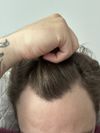
Lighting can significantly affect the perception of hair progress in photos. The user has been using dutasteride and oral minoxidil for hair loss, noting improvements after switching from finasteride.