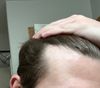
A 25-year-old is considering starting finasteride to address hair thinning and plans to consult a dermatologist in July. They are hopeful finasteride will help thicken miniaturized hairs around their hairline.
The user is experiencing continued hair thinning despite taking Finasteride 1 mg daily for over a year and is hesitant to try Minoxidil due to potential side effects and inconsistency. Suggestions include trying topical Minoxidil once a day, considering oral Minoxidil, and possibly getting a skin biopsy to determine the type of hair loss.
The conversation discusses various absurd theories about the causes of male pattern baldness, with some users suggesting treatments like oral dutasteride. It highlights misinformation and humorous myths, such as hair loss being linked to testosterone levels or masturbation.
A 27-year-old male has been using minoxidil for five months with no improvement and is considering adding finasteride to address potential DHT interference. He is seeking advice on whether finasteride might enhance minoxidil's effectiveness or if he should consider other options like a hair transplant.
The user plans to start hair loss treatment with minoxidil, finasteride, and microneedling, considering oral minoxidil to avoid affecting their cat. They are concerned about potential shedding and the impact of vaping on hair loss.
A 23-year-old male shares his positive progress using 0.5mg finasteride for hair loss, noting initial side effects like sore nipples that resolved after adjusting the dosage. Other users discuss their experiences with finasteride, including effects on libido and the trade-offs of using the medication.
The user is frustrated with their lack of hair growth after 3.5 months of using minoxidil, dermarolling, Propidren (Saw Palmetto), and essential oil massages. They are hesitant to use finasteride due to potential side effects, despite suggestions that it might be more effective.
The struggles of hair loss at a young age and available treatments, such as medication (Finasteride, Minoxidil, Dutasteride, Derma Rolling) and potential options for hair systems or cloning in Japan. People discussed their own experiences with trying to cope with the emotional aspects of this condition.
A woman who is experiencing Female Pattern Baldness and struggling to cope with it; she has tried a few treatments but is not satisfied with the results and feels like her femininity has been taken away from her. The conversation includes advice on possible treatments such as Minoxidil, Finasteride, RU58841, and lifestyle changes.
The conversation discusses the benefits of electric toothbrushes for oral health, highlighting the Philips Sonicare Protective Clean 5300 and Oral-B Pro 1000 as top choices for effective plaque removal and gum care. Both toothbrushes are recommended for their reliability, with the Philips being budget-friendly and the Oral-B offering advanced features for sensitive teeth.
Hair cloning technology is advancing, with clinical trials for improved methods expected by 2028 and 2029, potentially offering a solution for hair loss if donor follicles remain. Organtech's expansion into other biotech areas may secure funding, but the effectiveness of cloning depends on the availability of androgen-resistant donor follicles.
The user has been experiencing hair loss since having COVID and has low vitamin D levels; they are seeing some improvement in their crown and hairline after starting vitamin D supplements. Commenters suggest the hair loss pattern is consistent with male pattern baldness (MPD) and varies by individual.
The user is using topical finasteride to manage hair loss due to concerns about side effects from oral finasteride. They seek advice on effectively applying the topical treatment to reduce shedding.
The user experienced increased hair density and improved hairline definition after 8 months of using 1mg finasteride and 5mg minoxidil (both oral and topical) daily, though the hairline recession hasn't reversed. They noticed fuller eyelashes and increased shedding, but overall hair growth is outpacing the loss.
A young person regrets not starting hair loss treatments like minoxidil and finasteride earlier, leading to significant balding by age 19. They discuss the importance of early intervention and the impact of societal perceptions on those experiencing hair loss.
The user is considering a hair transplant after a year on minoxidil without satisfactory results and is advised to use finasteride or dutasteride as a DHT blocker. Suggestions include using microneedling, tretinoin, and possibly needing 3000-4000 grafts for the transplant.
A 51-year-old shared their hair recovery journey using finasteride, minoxidil, and dermarolling, noting significant improvement in hairline and temple areas. They emphasize consistency and patience, while another user suggests adding topical kx-826 and melatonin for additional benefits.
A 23-year-old male experienced no shedding with RU58841 but switched to oral finasteride due to heart concerns, resulting in increased hair shedding. He is considering adding minoxidil to his regimen, which currently includes finasteride, Nizoral shampoo, and microneedling.
A 20-year-old is using oral minoxidil, finasteride, and a dermastamp to address hair loss but is concerned about continued thinning and lack of visible regrowth after six months. They are questioning if diet, vitamin deficiencies, or dosage adjustments could impact progress.
The user is using topical minoxidil, topical finasteride, tretinoin cream, microneedling, and ketoconazole and caffeine shampoo for hair regrowth. They are satisfied with the progress but unsure if more regrowth is possible and are advised to continue the routine for a year.
A 36-year-old is experiencing underwhelming results from derma stamping for hair thinning, using needle lengths of 0.5mm to 0.75mm. They are considering increasing needle length, taking a break, or pairing the treatment with rosemary oil.
The conversation discusses hair loss treatments, focusing on iron supplements for low ferritin levels and considering finasteride and minoxidil if thinning persists. There is debate over starting with finasteride versus dutasteride, with some users advocating for dutasteride due to its potency, while others caution about potential side effects.
A 28-year-old male shares his hair loss journey, starting with a hair transplant in February 2024 and using finasteride, later switching to dutasteride in January 2025. He has not used minoxidil and is satisfied with the results, despite some side effects like temporary nipple pain and a spike in libido.
The user experienced significant hair regrowth using topical finasteride and minoxidil, along with weekly dermarolling, without any side effects. Consistency and a positive mindset were emphasized as key factors in their progress.
A user experienced rapid hair loss and successfully regrew hair using minoxidil daily and finasteride 0.5mg every other day, along with lifestyle changes. They reported significant improvement after initial setbacks and emphasized the importance of starting treatment early.
Hair loss treatments, including finasteride, minoxidil, and herbal supplements, with a humorous tone. Users discuss the challenges and sacrifices of hair loss and hair restoration efforts.
The user started a consistent hair loss treatment routine in January, using finasteride, minoxidil, red light therapy, micro-needling, vitamins, and specific shampoos. They noticed potential progress after 11 weeks and plan to update in a few months.
A man in his thirties found increased confidence after shaving his head, despite years of hair loss. Others discussed using treatments like finasteride, minoxidil, and hair transplants, with mixed opinions on their effectiveness.
The conversation discusses hair loss treatments, specifically using topical minoxidil, oral finasteride, ketoconazole, and derma stamping. Users share their experiences, with one noting improved scalp health and slight regrowth, while another considers switching treatments due to lack of progress.