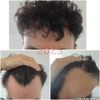
People with hair loss experience emotional struggles and body dysmorphia. Treatments like minoxidil, finasteride, and dutasteride are used, but results vary and can take time.
Finasteride may cause sleep disturbances, with some users experiencing insomnia. Reducing the dosage, switching brands, or trying Dutasteride might help.
The user experienced significant hair improvement using topical Minoxidil and oral Finasteride, despite an initial shedding phase. They prefer oral Finasteride for convenience and are considering oral Minoxidil, while others in the conversation discuss potential side effects and personal experiences with these treatments.
The user experienced significant hair improvement after one year of using finasteride, despite initial side effects, and considered adding oral minoxidil. They also noted the positive impact of vitamin D on hair thickness.
Finasteride improved hair appearance over seven years with no major side effects. Users discussed finasteride, minoxidil, and supplements like beta carotene and astaxanthin for hair loss treatment.
Finasteride, minoxidil, and RU58841 are discussed as treatments for hair loss, with varying opinions on their effectiveness and side effects. Some users believe side effects are rare or psychological, while others emphasize the importance of considering potential side effects.
Quitting smoking led to reduced hair loss for the original poster, who also used finasteride and topical minoxidil. Other users shared mixed experiences with smoking and hair loss, with some noticing improvements after quitting and others seeing no change.
A poem humorously suggests hope for a new hair loss treatment, PP405, while users debate the effectiveness and side effects of current treatments like Finasteride. Concerns are raised about Finasteride's side effects, especially for young users, and skepticism about new treatments is expressed.
The user is using a regimen including topical finasteride, ketoconazole, melatonin, keto shampoo, pyrilutamide, microneedling, and tretinoin for hair loss, and is considering switching to oral finasteride for convenience and potentially better results. Some users suggest switching to oral finasteride and checking for health issues like nutrient absorption, while others note maintenance or slight improvement in hair thickness.
A user shared their haircare routine for hair loss, which includes washing with Nizoral, using Minoxidil and Finasteride, and seeking advice for better results. Other users discussed their own routines, including the use of vitamins, red light therapy, and varying dosages of Finasteride, with some expressing concerns about the harshness of Nizoral and the potential side effects of treatments.
The user experienced hair loss starting at 19 and tried treatments like finasteride and minoxidil inconsistently. They later used dutasteride, PRP, and various hair loss lotions and supplements, but faced side effects and are unsure about continuing treatment.
The user has been using finasteride for 30 years and recently added colostrum to their routine, noticing darker hair regrowth. They experienced shedding with minoxidil and advise against its use, while highlighting the benefits and side effects of long-term finasteride use.
A user successfully regrew hair using 1mg Finasteride daily, 5% topical Minoxidil 1-2 times a day, and weekly derma stamping, with no side effects. Others shared their hair loss struggles and interest in these treatments.
Minoxidil and finasteride together can lead to significant hair regrowth, often noticed gradually over time. Consistent use without stress is key, and while minoxidil helps regrow hair, finasteride prevents further loss.
The user shared their hair regrowth journey since 2017, using treatments like finasteride, minoxidil, dutasteride, RU58841, microneedling, and later feminizing HRT. Significant progress was noted after starting HRT, with continued improvement in hair texture and regrowth.
The user is happy with hair regrowth after 60 days using topical minoxidil 5% and finasteride 0.1%, along with a dermaroller. They report no significant side effects and plan to continue treatment for a year.
RU58841 is a controversial hair loss treatment with mixed reviews; some users report success, often in combination with other treatments like finasteride or minoxidil, while others experience side effects like chest pain. The treatment's discontinuation is speculated to be due to patent expiration and lack of profitability, despite some users continuing to use it as part of a broader regimen.
A person in their 20s is struggling with hair loss, using treatments like minoxidil and finasteride. Suggestions include self-improvement, therapy, hair transplants, and focusing on acceptance and confidence.
The conversation is about a user's progress in treating hair loss using 1mg finasteride, topical minoxidil once at night, and weekly 1.5mm microneedling. The user reports significant improvement and no side effects, while others discuss their experiences and offer advice on similar treatments.
People often turn to natural remedies like saw palmetto and rosemary oil for hair loss, but these are not as effective as FDA-approved treatments like finasteride and minoxidil. Some users express concerns about potential side effects of finasteride, while others share positive experiences with it.
Concerns about a potential ban on finasteride and dutasteride due to side effects, with users advocating for continued access and informed choice. Alternative treatments like pyrilutamide are also mentioned.
Dutasteride may have fewer side effects than finasteride, with some users experiencing better hair maintenance. Experiences vary, with some preferring dutasteride for fewer side effects, while others see no significant hair improvement.
The user noticed baby hairs after using minoxidil for two years, along with daily massages, derma stamping, and drinking peppermint infusions. Another user suggested starting with topical finasteride and eventually switching to oral finasteride, despite the original poster experiencing side effects from topical finasteride.
A 26-year-old user shared their 3-month progress using oral finasteride and oral minoxidil for hair loss. They experienced side effects like reduced libido and brain fog at higher doses and adjusted their dosage to manage these effects.
The user "OP" is frustrated with hair loss despite using oral minoxidil, topical finasteride, and oral dutasteride. Other users suggest keto shampoo, lifestyle changes, and low light laser therapy.
Stopping minoxidil can lead to significant hair loss, but resuming it along with finasteride can help regain lost hair over time. Consistency is key for maintaining hair health and regrowth.
The conversation discusses hair loss treatments, specifically using dutasteride (0.5mg daily) with no side effects reported after two months. It also mentions the health benefits of one meal per day and the low incidence of side effects.
A user is trying 2-deoxy-D-ribose with distilled water for hair growth, observing new hair and skin pigmentation changes. Others compare it to Minoxidil, expressing interest and caution about its effectiveness and safety.
Finasteride stopped working for a user after 3 years, and they are considering switching to dutasteride. Other users suggest trying dutasteride, with some sharing positive experiences and additional treatments like minoxidil and RU58841.
A user shared their 8-month progress using 1mg oral finasteride with no side effects and plans to start minoxidil. Another user commented that the results look great and suggested reconsidering starting minoxidil.