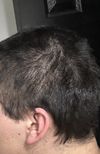
Hair loss possibly caused by a fungal infection might be treated with antifungal shampoos or oral medications. If not fungal, treatments like minoxidil or finasteride may be necessary.
The user switched from finasteride and topical minoxidil to dutasteride and oral minoxidil due to lack of results. They are hopeful about dutasteride but are prepared to stop all medication if it doesn't work, as they have aggressive hair loss genetics.
Topical finasteride with minoxidil can be effective but may not match oral finasteride results, with less absorption into the bloodstream. Shedding is common when starting or stopping minoxidil and finasteride, and adding dutasteride and tretinoin can enhance effectiveness by improving absorption and DHT inhibition.
A 37-year-old user shared their positive 3-month progress using a topical solution of 5% minoxidil and 0.25% finasteride, combined with weekly microneedling and Nizoral shampoo. They reported no significant side effects and emphasized the importance of consistency and microneedling for hair regrowth.
Using retinol with minoxidil may not be as effective as tretinoin, but retinaldehyde or adapalene could be alternatives. A micro-roller with minoxidil is suggested for better results.
The user has used finasteride and minoxidil for 300 days and is considering a hair transplant. Others recommend continuing medication, possibly switching to dutasteride, and waiting longer before deciding.
A user shared their hair regrowth progress using Dutasteride, topical Minoxidil, Spironolactone, and Estradiol Valerate injections as part of hormone replacement therapy for transitioning. They experienced significant hair improvement and personal satisfaction but caution against this approach for non-transitioning individuals due to irreversible changes.
A 17-year-old is using oral dutasteride, finasteride, and topical minoxidil for hair loss, with plans to increase dutasteride and consider surgery. They report significant regrowth but are worried about side effects and the effects of blocking DHT at a young age.
A 24-year-old shared his 13-month experience using 1mg oral finasteride and 5mg oral minoxidil, along with topical minoxidil and ketoconazole shampoo, for hair regrowth with impressive results and no significant side effects. He advises consulting a dermatologist before starting a similar routine.
The conversation is about hair loss treatments, focusing on the use of dutasteride, minoxidil, and microneedling. Users suggest adding minoxidil and microneedling for better results, while some caution against using RU58841 due to potential risks.
The user is considering a hair loss treatment plan involving oral dutasteride (2.5 mg), oral minoxidil (2.5-10 mg), topical finasteride, and topical minoxidil, with additional options like ketoconazole shampoo and microneedling. They are seeking advice on whether to start with finasteride or dutasteride, the potential side effects, and the effectiveness of their approach, with a plan to evaluate results after 3-4 months.
Significant hair regrowth was achieved using oral finasteride and topical minoxidil over five months, with noticeable improvements in hairline and temple areas. The user experienced minimal side effects, mainly increased eyebrow and eyelash growth, and attributes additional physical improvements to weight loss and exercise.
The conversation discusses managing hair loss and seborrheic dermatitis with treatments like minoxidil, finasteride, and saw palmetto, emphasizing the importance of scalp health and DHT reduction. The user shares personal experiences and suggests a balanced approach, combining topical treatments and lifestyle changes for effective hair regrowth.
The user has been using a daily topical spray of finasteride and minoxidil, along with occasional microneedling, to address hair loss since August 2023, and is considering switching to oral medication for convenience and cost reasons. Despite progress, they are exploring options like increasing microneedling frequency or potentially undergoing a hair transplant to address a stubborn spot.
This post and conversation are about using receipt paper as a satirical treatment for hair loss. Users humorously discuss various absurd methods, including rubbing, ingesting, and making suppositories out of receipts.
Finasteride stopped working for a user after 3 years, and they are considering switching to dutasteride. Other users suggest trying dutasteride, with some sharing positive experiences and additional treatments like minoxidil and RU58841.
A 31-year-old with diffuse thinning experienced significant hair regrowth after nearly 5 months on Finasteride 0.75mg MWF. Despite initial side effects like testicle pain and reduced sex drive, these issues resolved, and positive effects included reduced nighttime urination and scalp itching.
The user shared progress pictures showing hair regrowth using Minoxidil, finasteride, rosemary mint oil, biotin, and vitamins. Responses praised the results, though one user doubted the effectiveness of rosemary and biotin.
The user is happy with their hair thickening after 4.5 months on Finasteride but wants faster crown growth. Replies suggest the results are above average for this timeframe and recommend continuing Finasteride for a year before considering adding Minoxidil.
The user regained hair using a routine including Nizoral shampoo, 0.5mg finasteride daily, topical minoxidil at night, and microneedling every two weeks. They switched from topical to oral finasteride to save money.
A user is experiencing renewed hair loss despite using minoxidil and finasteride for two years and is considering options like dutasteride, increasing finasteride dosage, or starting microneedling. Respondents suggest waiting another month before making changes, consulting a dermatologist, and potentially adjusting the treatment regimen.
The conversation jokes about hair loss treatments, mentioning finasteride, minoxidil, dutasteride, microneedling, ketoconazole shampoo, and rosemary oil as if they were players in a game. Some users also discuss the use of finasteride for prostate issues and the possibility of splitting the dose.
A user has been using minoxidil for hair loss and is seeing improvement. Some suggest adding finasteride or dutasteride for better results, but the user is concerned about side effects.
A user experienced significant hair loss after 6 months of using 0.5mg finasteride daily. Suggestions from others included trying Dutasteride and Minoxidil, getting professional help from a dermatologist, and addressing high iron levels that could be contributing to the hair loss.
The conclusion of the conversation is that the user, AdamC11, has been using finasteride (0.5mg daily) and topical minoxidil for 2.5 years and has seen good progression and maintenance with no negative effects. They plan to continue with their current treatments as long as their hair holds, and will consider more potent treatments if they start losing ground.
The user updated their hair loss treatment to include daily dutasteride, oral minoxidil, topical dutasteride with minoxidil and tretinoin, and RU58841. Commenters feel the extensive treatment is unnecessary for the user's level of hair loss.
User regrew lost hair using microneedling, minoxidil, finasteride, Nizoral, fish oil, and collagen peptide. Progress was slow but constant, and patience was important.
A user's 4-month hair loss progress, which included treatments such as topical finasteride/minoxidil, microneedling, and Nizoral; with others commenting on the great results achieved so far.
Tretinoin may improve minoxidil's effectiveness for hair growth, but results vary; some users report no change or potential hair loss acceleration. Tretinoin is included in some topical hair loss treatments sold by dermatologists and online companies.
A 5 year journey of using Dutasteride and Minoxidil for hair loss, with progress pictures shared by the user. Replies have expressed amazement at the progress.