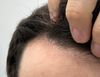
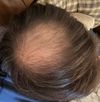
The conversation is about the effectiveness of Dermarolling for hair loss without using Minoxidil. Some people consider using peppermint oil as an alternative.
A user shared their hair regrowth progress using 2% minoxidil, 5% minoxidil spray, 1mg/day finasteride, and dermarolling/stamping. They reported no side effects except dry hair from the minoxidil.
Topical finasteride may reduce more scalp DHT but is seen as inconsistent and messy compared to oral finasteride. Users report mixed results with both forms, with some preferring oral for its convenience and consistent dosing, while others find topical effective but harder to apply.
A 21-year-old male is using oral finasteride, topical minoxidil, and microneedling to improve hair density and regrowth but remains dissatisfied with the results. He is considering whether continuing finasteride for two years might help.
The user has been using a hair solution with 0.3% finasteride and 5% minoxidil, along with microneedling, but is experiencing more thinning on one side. Suggestions include checking application techniques and ensuring microneedling is not overdone.
A user shared their experience with hair loss treatments, noting improvement after switching from minoxidil and finasteride to dutasteride. They observed new hair growth and reduced scalp inflammation, expressing hope for further progress.
A 25-year-old man has been using topical minoxidil 5%, oral finasteride 1mg, and microneedling for hair loss treatment for 14, 9, and 8 weeks respectively. He experienced watery semen after starting finasteride, but it normalized after a few days with no other side effects.
User "Number_Worried00" is using a treatment stack for hair loss, including Minoxidil, Finasteride, Dutasteride, Estradiol, Cetirizine, and Pyrilutamide. Another user suggests that if the cause is vitamin deficiency or inflammation, the stack may not be effective.
Microneedling for hair restoration involves daily use of a 0.3 mm device and weekly use of a 0.5 mm device. Combining microneedling with Minoxidil can enhance hair growth.
The user has been using finasteride, minoxidil, dermarolling, and keto shampoo for hair regrowth, showing positive results after four months. Some users suggest adding tretinoin cream for better absorption, and there's a debate on whether finasteride should be taken at night.
Microneedling combined with minoxidil is helping users see hair growth progress. One user reported significant results after two months of using oral minoxidil and microneedling.
A 42-year-old uses dutasteride, topical minoxidil, microneedling, and dermastamping for hair regrowth, reporting no side effects and noticeable progress over two years. The user takes 0.5mg of dutasteride and varies microneedling frequency, seeing early signs of new growth.
The user is two months into a hair loss treatment routine using Minoxidil 5%, microneedling with a 1.5mm needle once a week, Finasteride, and Biotin+collagen supplements, reporting thicker hair. Another user suggests microneedling is very effective, and a question is asked about the timing of Minoxidil application after microneedling.
The user does not respond well to minoxidil and is seeking an alternative to Tretinoin to upregulate sulfurtransferase activity for hair loss treatment. No specific alternative treatments were mentioned.
A 7-month update of hair regrowth achieved by using daily topical finasteride and minoxidil, combined with weekly microneedling. It is also noted that the results are different for females.
A user's progress using minoxidil and dutasteride mesotherapy to treat hair loss, with advice from other users on whether or not to continue the treatment. Suggestions included trying oral treatments such as finasteride and RU58841, and considering a hair transplant for more significant results.
Microneedling can be effective for hair regrowth, especially when used with oils like castor, emu, and rosemary, but should be done with caution regarding needle size and frequency. Some users avoid minoxidil due to its side effects and cost, opting for alternatives like rosemary oil.
Microneedling once a week at 1mm caused bumps, possibly scars, in the treated area. The user is considering cleaning the skin before microneedling to prevent this issue.
The user experienced significant hair regrowth after 3 months using topical minoxidil 5% and oral finasteride, with initial shedding but no lasting side effects. They considered adding microneedling but were advised against it, as their current treatment was already effective.
The user is considering microneedling versus a hair transplant (HT) for crown hair loss while currently using dutasteride and oral minoxidil. They are hesitant about microneedling due to potential scarring but are open to trying it before deciding on a hair transplant.
A user is considering switching from finasteride to dutasteride for hair loss at age 21, worried about potential side effects on bone and brain development. Another user shared their positive experience with dutasteride, noting minimal body hair and no side effects.
Hair transplants, oral finasteride, oral minoxidil, and dutasteride mesotherapy are highly effective for treating AGA hair loss. This combination can maintain and improve hair for most people, except those with very aggressive AGA.
A user shared their 115-day progress in treating hair loss using 5% Minoxidil, topical Finasteride, biotin, microneedling, and collagen peptides. They reported visible improvement and no side effects from topical Finasteride, unlike the oral form.
Microneedling can be effective for hair growth, but it is more effective when combined with minoxidil. Finasteride or other DHT suppressants are necessary to prevent hair loss due to male pattern baldness.
A 21-year-old is using 5mg Minoxidil, 1mg Dutasteride, Nizoral, and occasional microneedling for hair loss, seeing improvement on the left side of the scalp. They stopped microneedling due to scalp inflammation and are awaiting a dermatologist appointment.
A 38-year-old user shared their hair loss treatment progress over a year, using dutasteride daily and minoxidil intermittently. They haven't experienced side effects and are considering microneedling.
Microneedling can cause infections if not done carefully; users suggest using alcohol swabs and reducing needle depth to avoid issues. Proper sanitation and gentle pressure are key to preventing bleeding and infection.
A 31-year-old male experiencing hair thinning since age 25-26 uses minoxidil, finasteride, a red laser cap, and microneedling to promote hair growth. Users suggest reducing microneedling frequency to once a week to avoid damaging hair follicles.