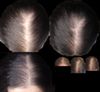
User experienced hair regrowth with minoxidil and dermarolling for 3 months. Routine includes applying 1ml minoxidil nightly and dermarolling with 0.5mm needles twice a week.
User experienced hair growth after 1.5 months using Fin, 1 month using Min, and microneedling. They use liquid Rogaine twice daily, microneedle with a .4 mm dermaroller, and take oral Fin once a day.
Hair loss treatments discussed include dermarolling, minoxidil, finasteride, and RU58841. Some users find dermarolling sad, while others mention the complexity of biological systems and limited research funding for hair loss.
The conversation discusses the availability of Breezula, a drug for hair loss, now being sold as an acne treatment, and whether it can be applied to the scalp. Users express skepticism about new hair loss treatments and suggest waiting for FDA approval.
User reports two-month progress using Min, dermarolling, and Hair Savior Oil. Others suggest adding Ketoconazole for dandruff and hair growth, and continuing Min use to maintain results.
The conversation discusses hair regrowth using finasteride, minoxidil, RU58841, tretinoin, castor oil, and microneedling over three months. There are signs of early hair regrowth, with expectations of fuller hair in a year.
A user shared their hair regrowth success using microneedling with a dermaroller every 6 days and minoxidil, recommending betadine (povidone-iodine) before microneedling to sterilize the scalp and enhance results. Another user noted the potential risks of iodine toxicity.
A user is trying to reverse hair loss using vitamins E and D, jojoba oil, rosemary oil, peppermint oil, and microneedling, avoiding finasteride and minoxidil. They plan to use Alpecin shampoo and will provide updates on the effectiveness of this regimen.
A user's 12 month progress on finasteride and 10 months of microneedling for hair loss treatment, which has resulted in improved temple areas with no side effects from the finasteride. They have not used minoxidil yet but are considering it for further gains. DHT blocking drugs such as finasteride and dutasteride are recommended to maintain regrowth results.
A topical serum made from monounsaturated fatty acids showed rapid hair growth in mice within 20 days, but it remains experimental for humans. Users humorously discussed the frequent success of hair growth treatments in mice and expressed skepticism about translating these results to humans.
The user stabilized hair loss with oral finasteride, dutasteride, and topical minoxidil, and underwent a stem cell and PRP procedure. Recent increased hair shedding may be due to restarting dermarolling, affecting minoxidil absorption, or the waning effects of the stem cell treatment.
Nizoral shampoo caused significant hair thinning and oiliness for some users, while others found it beneficial for slowing hair loss. The original poster experienced negative effects and was advised to stop using Nizoral and switch to a gentler shampoo.
The user started using topical Minoxidil and Procapil, then added oral Minoxidil and Finasteride, seeing some hair thickening but no improvement in the frontal hairline. They believe nutrition, sleep, and lifestyle impact hair health and are seeking ways to track hairline and medication use.
The user experienced hair thickening after two years of using finasteride and minoxidil, despite having a stubborn thin crown. They plan to try microneedling to potentially improve results further.
The user shared a 6-month update on using microneedling and a homemade shampoo made of aloe vera and rosemary water for hair loss. They posted progress pictures showing their results.
Significant hair regrowth was achieved over six years using Minoxidil, Finasteride, and daily 0.25mm dermarolling. Finasteride had the most significant impact, with no reported side effects.
A 29-year-old shared their crown hair recovery using a daily liposomal topical solution of finasteride and minoxidil, low-level light therapy, and specific vitamins, noting significant improvement without side effects. They experienced issues with oral finasteride previously but not with the topical treatment.
Topical pirfenidone is highlighted as an effective anti-inflammatory and anti-fibrotic treatment for hair loss, particularly in addressing perifollicular fibrosis, which may enhance the effectiveness of standard treatments like finasteride and minoxidil. The user also uses calcipotriol, MCT oil, ciclopirox shampoo, and benzoyl peroxide shampoo as part of their regimen.
Hair loss involves more than just DHT, with genetic factors like TRPS affecting hair follicles. Treatments such as Amplifica's AMP-601 and AMP-303 target stem cells for potential hair growth solutions.
PP405 is considered as a potential hair regrowth treatment, but users are skeptical due to past product failures. They compare it to Minoxidil and Finasteride, questioning its effectiveness and the intentions of pharmaceutical companies.
A 43-year-old shared an 8-month hair regrowth journey using oral minoxidil, dutasteride, topical minoxidil, ketoconazole shampoo, and lifestyle changes. Commenters noted he looked good both with hair and bald.
PP405 may revive dormant hair follicles but is unlikely to help with long-term baldness where follicles are replaced by scar tissue. It is seen as a potential adjunct to treatments like minoxidil and finasteride, but its effectiveness on deeply fibrotic or scarred areas is doubtful.
Oral minoxidil is considered effective for hair growth, and some users combine it with microneedling despite mixed opinions on its additional benefits. Concerns about microneedling include potential scarring and lack of conclusive evidence on its effectiveness when used with oral treatments.
CRISPR shows promise for treating hair loss by targeting specific genes. Current treatments include Minoxidil and finasteride, but CRISPR could offer a more precise solution, though it is still expensive and in early stages.
The conversation discusses microneedling for hair loss, with one user trying 0.3mm daily without feeling pain and questioning its effectiveness. Another user suggests that 0.3mm is too shallow and recommends 0.5mm twice a week or 0.75mm once a week for hair growth.
Laser caps are found to be more effective than 5% minoxidil for treating hair loss, and when combined with minoxidil, they are even more effective. Some users report positive results with laser treatments, while others see no change; the devices are FDA approved, but opinions on their efficacy vary.
Topical Finasteride doesn't directly reduce 5ar enzyme on scalp and has the same mechanism as oral, needing to go through the liver. Users debate the accuracy of this information and discuss various studies and experiences.