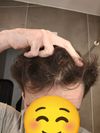
The post is about a user's progress with using minoxidil and finasteride for hair loss. One user suggests that dermarolling may also be contributing to the positive results.
The conversation is about hair loss and the use of minoxidil (Minoxidil) and finasteride (Fin) as treatments. The conclusion is that some users have seen success in maintaining their hair with minoxidil, but there are varying opinions on the effectiveness of the treatments.
The user reports improved hair growth after adding oral minoxidil and microneedling to their routine, while reducing oral minoxidil dosage due to hand swelling. They've been treating hair loss with finasteride and minoxidil since 2015, with intermittent use of minoxidil.
A 33-year-old male shared his hair regrowth journey, using minoxidil, dermarolling, hair brushing, scalp oils, dietary changes, and supplements. After five months, he started finasteride to improve hair thickness.
Creatine use with finasteride increased DHT levels, possibly affecting hair loss. The user plans to reduce creatine to stabilize DHT and hair shedding.
Hair loss involves more than just DHT, with genetic factors like TRPS affecting hair follicles. Treatments such as Amplifica's AMP-601 and AMP-303 target stem cells for potential hair growth solutions.
Hair loss is linked to scalp fibrosis and tension, which result from chronic mechanical stress and androgenic signaling. Treatments include blocking androgens with finasteride, promoting hair growth with topical minoxidil, and improving scalp mobility through exercises.
PP405 may damage hair follicles if used long-term, suggesting cycling might be necessary. Combining it with finasteride could help maintain hair growth.
RU58841 is discussed as a potential treatment for acne and hair loss, with users debating its effectiveness and safety compared to other treatments like finasteride, minoxidil, and dutasteride. Concerns about RU58841's side effects and lack of clinical trials are raised, while some users share their personal experiences and routines involving RU58841 for hair loss.
The conversation discusses making a topical melatonin solution for hair loss treatment, questioning if isopropyl alcohol can dissolve melatonin. Melatonin is soluble in lipids and alcohol, but it's unstable and should be mixed fresh regularly; it may help hair growth by affecting certain cellular signaling pathways and has anti-androgenic effects.
Finasteride is being discussed as a significant treatment for male baldness, with some users sharing positive experiences and increased confidence, while others express concerns about potential side effects like loss of libido and erectile dysfunction. The conversation highlights differing opinions on the drug's impact and the broader societal implications of changing beauty standards.
The user shared their 3-year hair loss treatment progress using dutasteride, minoxidil, PRP, micro-needling, and vitamin D supplements, noting improvements and no side effects. They also discussed transitioning from finasteride to dutasteride and increasing minoxidil dosage, while considering the effectiveness of PRP and micro-needling with long hair.
Significant hair regrowth was achieved over six years using Minoxidil, Finasteride, and daily 0.25mm dermarolling. Finasteride had the most significant impact, with no reported side effects.
A 20-year-old has been using finasteride and minoxidil for 4.5 months, noticing reduced hair shedding and seeking advice on potential for increased hair density and hairline regrowth. They also use a dermaroller weekly but inconsistently.
A 24-year-old experienced improved hair growth using 5% minoxidil, 1 mg finasteride, and dermastamping, but faced side effects like low libido and mild erectile dysfunction. They plan to reduce finasteride dosage after full results and may consider a hair transplant if thinning recurs.
The user experienced increased hair density after starting 1mg finasteride in February and 2.5mg oral minoxidil two months ago, along with 10mg biotin daily. They initially used topical minoxidil but switched to oral due to application difficulties and have seen improvements without significant side effects.
A 44-year-old user experienced hair regrowth using a topical spray combining 0.3% finasteride and 7% minoxidil after switching from oral finasteride due to side effects. The user reported noticeable improvements in hair thickness after four months without any side effects from the topical treatment.
A 24-year-old male is considering a hair transplant after unsuccessful attempts with oral minoxidil, topical finasteride, ketoconazole shampoo, and lifestyle changes. He believes smoking and caffeine may worsen his hair loss and is looking into hair fibers for temporary coverage.
A 30-year-old man shared his positive experience with hair regrowth using Regenera Activ, topical Dutasteride, Minoxidil, and PRP over 12 weeks. He plans to continue with injectable Dutasteride and emphasizes the importance of starting treatment early to combat hair loss.
A 31-year-old man successfully used oral minoxidil and finasteride for hair regrowth over eight years, experiencing minimal side effects like initial shedding and increased body hair. He credits these medications for preserving his hair despite a family history of baldness.
A 27-year-old male has been using finasteride for six years and recently started oral minoxidil to address hair loss, experiencing some side effects like lightheadedness. He is considering shaving his head or a hair transplant while continuing his current treatments.
The user shared their 18-month hair treatment journey using oral finasteride and minoxidil foam, noting significant improvement in hair density and texture after initially experiencing shedding. They found oral finasteride more effective than topical solutions and emphasized the importance of consistency and patience in achieving results.
A user shared their 15-month progress after a hair transplant in Turkey, using 4200 grafts, topical Minoxidil, and Finasteride, and considering switching to oral Finasteride. They are mostly satisfied with the results but are contemplating further treatment for better density.
The user experienced significant hair regrowth using oral Minoxidil (5mg daily) for 18 months and Finasteride (1mg daily) for 5 months, with minimal side effects. The combination stopped hair loss and improved hair thickness, although a hair transplant is still considered for a receded hairline.
The user experienced positive hair regrowth using a routine of microneedling every 3 days, applying a blend of castor oil with peppermint and rosemary, bhringraj oil, and moringa oil, and using Pura D'Or DHT-blocking shampoo. They also take multivitamins and saw palmetto daily, reporting no side effects from saw palmetto.
The user shared their hair regrowth journey using topical minoxidil and finasteride since December 2021, experiencing shedding phases but ultimately achieving positive results by sticking with the treatment. They advise others to continue with their regimen despite shedding, as it can be a sign of the treatment working.
The conversation discusses hair regrowth progress using finasteride, minoxidil, and dermarolling over 1.5 years. Users share experiences, regimens, and express skepticism and admiration for the results.
A user experienced significant hair shedding and thinning 10 months post-hair transplant despite using minoxidil and topical finasteride. They are considering switching to oral finasteride or dutasteride and are also dealing with scalp conditions like seborrheic dermatitis.
The user reported significant hair improvement over 15 months using dutasteride, minoxidil (oral and topical), RU58841, ketoconazole, and microneedling. They are considering a hair transplant in 4-6 months.
User is pleased with hair growth results after nearly a year of using Minoxidil and finasteride, despite experiencing shedding phases. They noticed thicker hair regrowth and saw visible improvement around the 4th or 5th month.