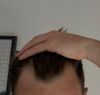
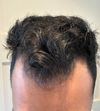
The user experienced hair thinning despite using finasteride and switched to a ketoconazole shampoo without sulfates to address scalp itching and dandruff. They hope this will stop further hair thinning.
The user is allergic to minoxidil and experienced severe itching and redness. They are considering alternatives like finasteride, dutasteride, and dermarolling for hair loss treatment.
The user has been using finasteride for 5 months without hair regrowth or loss and is considering adding dermarolling to their regimen. They are seeking advice on the effectiveness of finasteride with dermarolling, the type of dermaroller to use, aftercare products, and concerns about shedding from dermarolling alone.
A female user's experience using Spironolactone to treat Female Pattern Hair Loss (FPHL) and Androgenic Alopecia, as well as discussing the effectiveness of the drug at different dosages.
Using dermaneedling or dermapen for hair loss while managing seborrheic dermatitis and dandruff. Treatments mentioned include ketoconazole, peppermint and jojoba oil, and rubbing alcohol.
Woman with AGA uses microneedling, minoxidil, spiro, and laser for hair loss. Experiences redness and tenderness for three days after microneedling with Dermapen M8, asks if it's normal and the correct speed setting.
The conversation discusses preventing infection from derma stamping for hair loss treatment, with suggestions to reduce needle depth and consider alternatives like tretinoin. The user experienced irritation possibly from zinc chloride and stopped using the shampoo and derma stamping.
Stopping minoxidil can lead to significant hair loss, but resuming it along with finasteride can help regain lost hair over time. Consistency is key for maintaining hair health and regrowth.
The user is managing hair loss with oral finasteride, recently switching to dutasteride, and topical minoxidil, but faces challenges due to seborrheic dermatitis. They seek advice on effective regrowth methods that don't worsen their condition, with suggestions including various shampoos like Vichy Dercos and ketoconazole.
The user is using a hair loss treatment regimen that includes RU58841, minoxidil mixed with finasteride, adenosine, dermarolling with lidocaine cream, and biotin. They are questioning if they are dermarolling too aggressively and are willing to accept baldness if no improvement is seen in 6 months.
A user is considering mixing Stemoxydine, RU-58841, Alfatradiol, and Tretinoin into a single topical solution for hair loss. They are concerned about potential interactions that could reduce the effectiveness of these ingredients.
This post and conversation are about the molecular mechanisms triggered by microneedling, specifically its effects on inflammation, tissue remodeling, epithelial proliferation, differentiation, and collagen synthesis. The discussion highlights the potential benefits of microneedling for hair loss treatment.
A user experienced rapid hair loss and was prescribed Desonide cream for mild Alopecia. They are seeking feedback on its effectiveness and potential side effects.
The user stopped oral treatments due to side effects and switched to a regimen of topical minoxidil, tretinoin, azelaic acid, and dermaneedling, with recent addition of topical finasteride. They are questioning the long-term effectiveness of non-hormonal methods and considering hair transplantation.
After 6 months of adding topical finasteride to minoxidil, the user saw significant hair improvement, with noticeable results starting from the 5th month. The treatment included 5% minoxidil, 0.5 mg topical finasteride, and supplements like omega-3, minerals, and vitamins, with minimal side effects reported.
The user was rejected from participating in a clinical trial for an extended-release oral Minoxidil due to having rheumatoid arthritis, despite initially being accepted. They had stopped using Dutasteride and Minoxidil to qualify but continued using other treatments like RU58841 and red light therapy.
A 22-year-old is experiencing hairline thinning and has been using topical minoxidil for a year without significant improvement. They are considering finasteride despite concerns about side effects and are seeking reassurance and advice from others with similar experiences.
MCT oil helps reduce dandruff, flaking, and itching, and may slow hair loss progression. Eliminating sugar and dairy also stabilizes hair loss, while zinc, sugar, and dairy can worsen scalp conditions.
A 24-year-old male is experiencing a receding hairline and is advised to use topical minoxidil for hair regrowth, while being cautious about finasteride due to potential side effects. Adding ketoconazole shampoo is suggested for scalp health, and consistent use of minoxidil is recommended for noticeable results in 3-6 months.
An 18-year-old experiencing mild hair thinning is prescribed ketoconazole shampoo, clobetasol, and a solution with minoxidil, finasteride, and tretinoin. They are hesitant to start finasteride due to concerns about systemic absorption and its impact on facial hair development.
A 34-year-old male shares his 4-month progress using Minoxidil 5%, Finasteride 0.2% liquid, Tretinoin 0.01% liquid, and a dermaroller once a week for hair regrowth, reporting no side effects and noticing baby hairs on the crown. He prefers topical treatments over oral Finasteride and is optimistic about further progress.
A 20-year-old male has been experiencing hair loss since age 16 and has tried various treatments including topical minoxidil, topical and oral finasteride, and oral dutasteride with minoxidil, but has not seen significant improvement. He is currently using 1.5mg dutasteride and 5mg oral minoxidil daily, along with derma penning, and is seeking advice on regrowing hair to avoid using hair fibers.
The user experienced improved hair health and density after three months using 1mg finasteride and topical minoxidil twice daily, with no side effects. They also use ketoconazole 2% twice weekly and purchase their medications from Amazon.
The user has been using finasteride for 2.5 years and topical minoxidil for 9 months with minimal regrowth and is considering trying dutasteride or other treatments like microneedling and Maxogen. They are hesitant about a hair transplant and are advised to consider additional treatments or supplements.
Minoxidil can cause significant hair shedding, especially for those who don't need it, and should be used cautiously under medical advice. Natural remedies like onion, rosemary oil, aloe vera, coconut oil, and a healthy lifestyle can help recover from minoxidil-related hair loss.
The user is experiencing hair loss despite using minoxidil and dutasteride consistently since October, with no significant improvement. Suggestions include trying microneedling, switching dutasteride brands, or adding finasteride.
The user is taking dutasteride and minoxidil for hair loss but is concerned about continued hair shedding and lack of visible results. Others advise that shedding is normal, suggest better photo documentation for comparison, and recommend patience as results may take longer to appear.
A 38-year-old male is experiencing temple hair loss and is considering treatments like topical Finasteride and Minoxidil, despite concerns about side effects and shedding. He is also contemplating a hair transplant and seeking advice on additional shampoos or supplements.
A user shared their experience using Minoxidil 5% once daily for 77 days without any other treatments, reporting no side effects. Another user mentioned stopping finasteride due to side effects and now only uses Minoxidil.
A 26-year-old is starting a hair loss treatment using 1mg oral finasteride daily, 5% topical minoxidil foam twice daily, 2% ketoconazole shampoo weekly, and microneedling once a week. They noticed worsening hair loss over the past year and are seeking advice.