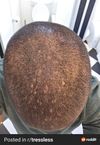
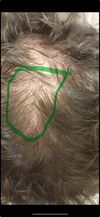
A 23-year-old male is experiencing diffuse hair loss and miniaturization, possibly due to high IGE levels after using tofacitinib. He seeks advice and has not yet consulted a dermatologist.
An 18-year-old male is experiencing significant hair shedding, particularly from the back of his head, despite normal blood test results except for slightly low vitamin D. A dermatologist prescribed minoxidil for receding temples, but the cause of the shedding remains unclear.
A user had a bad experience with a dermatologist who prescribed saw palmetto and biotin shampoo for hair loss, which was ineffective. The dermatologist then suggested minoxidil and dismissed the user's interest in finasteride, leading the user to consider seeking a new dermatologist and possibly starting minoxidil in the meantime.
In this conversation, 4990 discussed various treatments for hair loss, including oral minoxidil, PRP, transplan, Jak inhibitors, Dutasteride, Finasteride, Olumiant, Ketoconazole, RU58841, microneedling, baricitinib, and CCCA. They recommended scalp biopsies in unclear cases of DUPA, twice weekly to twice daily shampooing for topical minoxidil users, and two sessions spaced one month apart with follow up at month three to determine the effectiveness of PRP treatment.
A dermatologist advised stopping minoxidil and trying redensyl serum, while also starting finasteride. Concerns were raised about increased hair loss after stopping minoxidil.
A dermatologist recommended Evening-Primrose Oil, Biotin, Zinc, Vitamin D, and K to block DHT and address hair loss. The user is considering these alternatives to prescription drugs like finasteride.
The user is experiencing severe hair loss and color change despite low testosterone levels and healthy lifestyle changes. They have tried ketoconazole shampoo and consulted a dermatologist, who found no scalp issues but suggested using Toppik for coverage.
A 19-year-old experiencing early hair loss started using finasteride to address diffuse thinning, despite concerns about potential side effects. They also use T/Gel and OGX Thick and Full shampoo, and have a dermatologist appointment scheduled to explore possible allergies.
A user is seeking alternatives to **Curatio Triclenz Hair Cleanser** and **Triflow Hair Conditioner** due to issues with hair weight and scalp pimples. They need recommendations for mild shampoos available in Europe, preferably Sweden.
A user had a disappointing dermatologist appointment where they were denied prescriptions for Dutasteride and oral Minoxidil for hair loss and were only offered a hair transplant referral. Other users sympathized, discussed self-medication, and suggested consulting a transplant doctor for up-to-date treatments.
A 21-year-old experiencing hair loss noticed reduced hair fall and new growth after using rosemary oil and amla, but results are slow. Users suggest natural remedies may not be effective long-term and recommend consulting a dermatologist or considering finasteride for better results.
PP405 shows promise in regenerating hair by activating dormant follicles. Other treatments like VDPHL01 and Breezula are also advancing, providing new hope for hair loss solutions.
The user is concerned about potential hair thinning after getting a buzzcut and shares photos for comparison. A suggestion is made to consult a dermatologist for a proper diagnosis.
The user noticed small circular hairless spots after a buzz cut and has been using finasteride, dutasteride, and oral minoxidil for hair loss. They are experiencing continuous shedding and thinning, and it is suggested they consult a dermatologist for a scalp examination and possible biopsy to determine if it's alopecia areata or androgenetic alopecia.
A 35-year-old shared progress in hair regrowth using finasteride 1mg and minoxidil foam, noting reduced hair fall and no side effects. They use Kirkland minoxidil from Costco nightly and finasteride from a dermatologist, with additional use of rosemary water for a cooling sensation.
The conversation discusses whether a dermatologist is the right source for advice on microneedling and supplements for hair loss. It mentions using treatments like dermastamp, dermaroller, finasteride, minoxidil, ketoconazole, biotin, and switching hair spray brands after a hair transplant.
A 28-year-old male, previously on dutasteride for hair loss, is considering oral minoxidil or a compounded treatment of minoxidil, finasteride, and tretinoin after noticing hairline recession. The dermatologist suggested oral minoxidil and mentioned a compounded option, but the user is unsure about its benefits compared to current treatments.
A 17-year-old is frustrated with hair thinning and receding temples, seeking advice after a dermatologist dismissed concerns. Suggestions include starting Minoxidil for regrowth and considering Finasteride if androgenetic alopecia is suspected.
A 17-year-old is concerned about hair thinning and unable to see a dermatologist for a year. They are advised to consider using topical minoxidil and possibly finasteride in the future.
A 19-year-old male has been using oral finasteride and topical minoxidil since December, with initial success, but has experienced hair thinning and loss since May. Despite using microneedling and tretinoin cream to enhance minoxidil, his dermatologist advised using only minoxidil, causing concern about worsening hair loss.
The user experienced significant hair growth with oral finasteride but stopped due to side effects. They are considering trying topical finasteride again while waiting for a dermatologist appointment.
A 27-year-old is experiencing hair thinning and plans to consult a dermatologist for advice. No treatments like Minoxidil, finasteride, or RU58841 have been used yet.
The user is experiencing aggressive hair loss and is using minoxidil, microneedling, biotin, and vitamin D. They are considering finasteride or dutasteride and plan to consult a dermatologist for the best treatment.
A 21-year-old was diagnosed with early-stage androgenetic alopecia and prescribed only minoxidil 5% and ketoconazole shampoo by a dermatologist, who advised against finasteride for now. The user is skeptical about starting minoxidil due to concerns about increased hair loss.
A dermatologist advised a patient to stop taking finasteride (fin) after turning 40 due to potential risk of aggressive prostate cancer. The patient and others in the conversation debated this advice, discussing the relationship between finasteride, prostate cancer, and hair loss, and considering alternatives like topical finasteride.
Hair loss is primarily caused by genetic sensitivity to DHT, not lifestyle factors like diet or exercise. Treatments like Minoxidil and Finasteride can help, but it's important to consult a dermatologist to determine the best approach for individual cases.
The user is experiencing hair loss and has tried natural remedies like hibiscus shampoo and an oil mixture with coconut oil, curry leaves, fenugreek seeds, and castor oil, but saw no lasting improvement. They are advised to consult a dermatologist and consider treatments like finasteride, minoxidil, and Nizoral shampoo.
The conversation is about a user experiencing worsening hair loss despite using minoxidil for four months, with suggestions to add finasteride or dutasteride for better results. Some users recommend consulting a dermatologist and considering other treatments like steroids if it's alopecia areata.