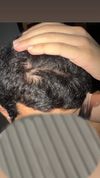
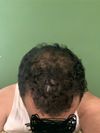
Oral minoxidil and vitamins reduced shedding for one user. Others distrust dermatologists and prefer personal research on treatments like finasteride and microneedling.
A user experienced hair thinning and scalp issues after using a sebum-regulating shampoo and perm treatments. They are advised to consider potential allergies, try a simple shampoo, and research treatments like finasteride for possible male pattern baldness.
A user shared a video suggesting that 0.5mm microneedles are most effective for hair growth. Other users mentioned different microneedle lengths and advised consulting a dermatologist for personalized treatment.
A user shared their 6-month results using minoxidil 5% and finasteride 1mg daily, but still experiences significant shedding. Suggestions included seeing a dermatologist, using apple cider vinegar for dandruff, and considering oral minoxidil and dutasteride.
Oral minoxidil has gained popularity as a hair loss treatment, with more online discussions and research showing it's safe in low doses. A viral New York Times article also contributed to its increased acceptance.
A user did not respond to finasteride, dutasteride, and oral minoxidil for hair loss after four years of treatment and is considering scalp micropigmentation (SMP). Other users suggest the hair loss pattern may indicate alopecia areata and recommend seeing a dermatologist.
The user is expressing an obsession with hair loss and spends all their time researching and discussing it. Other users suggest seeking therapy and focusing on other aspects of life.
How diffuse unpatterned alopecia (DUPA) is not an invitation to self-diagnose oneself with aggressive AGA and that seeking a specialized dermatologist may help people experiencing hair loss. Treatment options discussed include topical clobetasol propionate, oral minoxidil, and discontinuing finasteride.
A user's scalp issue that may be causing their hair loss and potential treatments, such as salicylic acid, finasteride, minoxidil, ketoconazole shampoo, and visiting a dermatologist.
The conversation is about frustration with dermatologists not effectively treating hair loss and the difficulty in obtaining prescriptions for Minoxidil and Finasteride. Some users suggest seeing specialists or general practitioners for hair loss treatment, while others share their own experiences with dermatologists and the importance of doing personal research.
A 25-year-old woman is experiencing hair loss and is unsure if it's due to iron deficiency or female pattern baldness, as diagnosed by her dermatologist. She is considering using Minoxidil but is hesitant and seeks advice on whether increasing her iron levels could help.
The user underwent two FUT hair transplant surgeries with subpar results, leading to disappointment and continued use of Minoxidil, laser cap, dermaroll, and biotin. They advise thorough research before committing to hair transplants, especially for those with advanced hair loss.
A person experienced hair loss due to a crash diet and is now seeking advice on recovery, including dietary changes and potential treatments like biotin and pumpkin seed oil. They are concerned about nutrient deficiencies and considering a dermatologist visit for further guidance.
The user has experienced significant hair thinning despite using 2.5 mg minoxidil for 2 years. Other users suggest adding finasteride or dutasteride and consulting a dermatologist for a proper diagnosis.
Microneedling for hair loss and its potential long-term effects. Some users believe it can cause fibrosis and scar tissue if done too frequently or deeply, while others claim it has improved their hair loss when done correctly. There is limited scientific research on the topic.
The user discovered they had been using fake minoxidil for months, leading to hair thinning, and decided to switch to a trusted brand from Walmart. Another user suggested seeing a dermatologist for prescription minoxidil and recommended Kirkland brand minoxidil and finasteride for effective hair loss treatment.
An 18-year-old experiencing aggressive hair loss has been using 1mg finasteride and 2.5mg oral minoxidil for 162 days but continues to shed hair. Suggestions include switching to dutasteride, considering topical minoxidil, and consulting a dermatologist for further evaluation.
An 18-year-old started taking finasteride for early-stage hair loss, prescribed by a dermatologist who advised against waiting due to potential follicle loss. The conversation includes differing opinions on starting finasteride early, with some users sharing personal experiences and concerns about potential side effects.
RU58841 lacks FDA approval due to financial and safety concerns, including potential cardiological side effects. The company abandoned further research, and users report adverse effects like heart palpitations and gynecomastia.
A 28-year-old experienced hair loss and found success with daily 1mg Finasteride, noticing thicker hair without side effects. Despite this, their dermatologist suggested switching to expensive peptide serums, prompting the individual to seek a second opinion on long-term Finasteride and oral Minoxidil use.
The user has been using finasteride and minoxidil, then switched to dutasteride and minoxidil for six months without significant results, noticing thinning after increasing creatine dosage. They plan to consult a dermatologist to explore potential causes beyond androgenetic alopecia.
A user with diffuse thinning recommends a root cover-up spray as a temporary, medication-free solution. They plan to consult a dermatologist for treatments like Minoxidil and finasteride while using the spray for special occasions.
The user has been dealing with hair loss for 10 years, worsened by psoriasis, and uses minoxidil and finasteride. They seek advice on managing psoriasis and hair loss, with suggestions to see a dermatologist, try different shampoos, and be patient.
Finasteride is preferred over dutasteride due to its longer history, more research, and FDA approval, despite dutasteride being more potent. Users report varied side effects, influencing personal treatment choices.
A male experiencing crown and frontal baldness, along with overall hair thinning, is considering starting topical minoxidil and oral finasteride. He seeks advice on dosages, potential side effects, application tips, and whether to consult a dermatologist before beginning treatment.
The conversation is about seeking user experiences with Traya for hair loss treatment, focusing on the effectiveness and convenience of its doctor, diet, and product approach. The user is conducting research and requests feedback on what worked or didn't work.
A 16-year-old considering finasteride for hair loss is advised to consult medical professionals due to age-related concerns, as they are currently using minoxidil and ketoconazole. Users suggest waiting until 17 or consulting a dermatologist for a professional opinion, with some recommending topical finasteride as an alternative.
Alcohol-based minoxidil absorbs better but can cause irritation; non-alcohol-based is gentler. Topical dutasteride shows promise but needs more research; low-dose oral minoxidil (0.25 mg/day) is effective with fewer side effects. Ingredients like Procapil, Redensyl, caffeine, and Anagain in shampoos have limited evidence; ketoconazole shampoo can help when used 2-3 times a week with other treatments.
The user is experiencing aggressive hair loss and is using minoxidil, microneedling, biotin, and vitamin D. They are considering finasteride or dutasteride and plan to consult a dermatologist for the best treatment.
OP shared progress pictures after 7 months of using a topical solution with 0.25% finasteride and 5% minoxidil, prescribed by a dermatologist. OP experienced mild shedding initially and noticed significant growth by the third month.