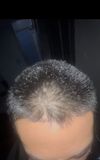
A user experienced severe scalp itching with MPB and found Nizoral ineffective. A doctor diagnosed seborrheic eczema and prescribed Betacap, which relieved the itching.
A 22-year-old experiencing hair loss and persistent scalp itchiness since age 16 has tried various treatments, including finasteride, ketoconazole shampoo, and dietary changes, with no success. Suggestions include consulting a knowledgeable dermatologist, considering seborrheic dermatitis, and trying different shampoos like Selsun Blue or those with selenium sulfide.
A user has been losing hair for two and a half years after a tropical trip and illness. A dermatologist prescribed betamethasone valerate 0.1% lotion, but the user is unsure if it's safe or effective for general hair loss.
The user is seeking advice on improving their hair loss treatment regimen, considering changes to their topical solution, and is curious about others' daily routines and recommendations for medications and supplements. They are contemplating switching Tretinoin for Tazarotene, Latanoprost for Bimatoprost, and possibly adding Alfatradiol, Topical Melatonin, or a topical androgen receptor antagonist.
A user found that scalp itch might be linked to inflammation rather than DHT alone and noticed hair improvement with certain cancer drugs. They also discovered that black seed oil relieved their scalp itch and are experimenting with a mix of essential oils for dry scalp, questioning if oils affect minoxidil absorption.
A 25-year-old male using Dutasteride, oral Minoxidil, and Ketoconazole shampoo is experiencing increased hair shedding and vellus hair growth along the hairline. Concerns are raised about whether this is a seasonal shed or a potential setback.
The conversation discusses a botanically derived treatment for androgenetic alopecia using ingredients like saw palmetto, green tea, and evening primrose, showing impressive results over 270 days. Concerns include the study's uncontrolled nature and potential product motivation, with suggestions to enhance absorption through derma rolling.
A user diagnosed with Crohn's disease is concerned it might contribute to balding. They have been using keto shampoo, finasteride, and oral minoxidil, which improved their hair but not significantly.
Quitting RU58841 after over two years reduced scalp itching and inflammation, despite concerns about losing hair gains. The user continues using finasteride and oral minoxidil.
The user has been using liposomal topical finasteride since late 2022, progressively increasing the dose, but DHT serum levels remain largely unchanged. Despite using finasteride, minoxidil, microneedling, and ketoconazole, hair condition has neither improved nor worsened.
The user has been experiencing severe scalp itching and red spots after using finasteride for two years, suspecting possible allergies or a fungal infection. Despite trying ketoconazole shampoo and stopping saw palmetto supplements, the symptoms persist, leading to increased hair loss.
A 21-year-old experiencing significant hair loss despite using dutasteride, oral minoxidil, ketoconazole shampoo, and low-level laser therapy seeks advice. Suggestions include adding microneedling, checking for vitamin deficiencies or thyroid issues, and considering a scalp biopsy for other conditions.
A young male in his twenties discusses hair loss, mentioning the use of Minoxidil, topical finasteride, and occasional derma rolling. He inquires about scalp inflammation, fibrosis, and the potential benefits of magnesium oil and scalp massages for improving blood flow and hair health.
User is using a topical solution with .1% finasteride, 6% minoxidil, and .0125% tretinoin for hair loss, along with a .25 derma roller once a week. They are concerned about the necessity and potential side effects of using the derma roller.
A 30-year-old male with thinning hair and an itchy, oily scalp found that hydrocortisone cream eliminated dandruff and itching and seemed to thicken his hair. He avoided minoxidil and finasteride due to potential side effects and noted that Nizoral and Head & Shoulders worsened his symptoms.
Applying hair loss treatments like minoxidil and finasteride, with concerns about side effects and application timing. Some users experience side effects, while others manage without issues, and there's interest in future treatments like pyrilutamide.
Scalp inflammation can cause hair thinning and may be related to diet, infections, or conditions like psoriasis. Treatments suggested include using Nizoral shampoo and checking vitamin levels.
A user is considering mixing Stemoxydine, RU-58841, Alfatradiol, and Tretinoin into a single topical solution for hair loss. They are concerned about potential interactions that could reduce the effectiveness of these ingredients.
OP struggles with scalp flakes causing hair loss and has tried Selsun Blue, Ketoconazole, and ZPT Shampoo without success. Suggestions include using salicylic acid shampoo, shaving the head, using Nizoral, and combining treatments like Minoxidil and finasteride.
The conversation discusses hair loss treatments, focusing on vitamin D and B12 deficiencies, and mentions using finasteride. It also suggests getting a biopsy to differentiate between MPB and other conditions.
The user has chronic itchy scalp and dandruff, unresponsive to ketoconazole, selenium sulfide, zinc pyrithione, coal tar, and salicylic acid. Topical steroids were also ineffective for long-term use.
The trichologist avoids recommending Minoxidil, focusing instead on changing medications monthly for seborrheic dermatitis, resulting in only slight improvement in hair quality and loss. The user is considering starting Minoxidil independently due to slow progress and personal distress.
A user is experiencing worsening hair loss despite using dutasteride, oral minoxidil, ketoconazole, and dermarolling. They are advised to reduce dermarolling frequency and depth to avoid damaging hair follicles.
Minoxidil and tretinoin can cause scalp dryness and itchiness. Using Nizoral, aloe, a lighter minoxidil formula, or a water-based moisturizer like one with hyaluronic acid may help alleviate these issues.
A user was prescribed a topical treatment for hair loss including Latanoprost, Minoxidil, Dutasteride, Hydrocortisone, and Progesterone, after using an oral Minoxidil and Finasteride combo without significant results. Concerns were raised about the long-term use of hydrocortisone, with suggestions to consult a doctor regularly.
The user successfully managed hair regrowth by using a combination of finasteride, dutasteride, minoxidil, and specific shampoos to treat seborrheic dermatitis. They emphasize the importance of maintaining a healthy scalp and are considering food intolerance tests to further address inflammation.
A user is frustrated that their dermatologist requires blood and sperm tests before prescribing oral finasteride, despite already taking oral minoxidil. They prefer oral medication over topical treatments due to sensory issues and are considering asking their GP for a finasteride prescription or seeking alternatives online.
Dermatologists have differing opinions on hair loss treatments, with some using topical dutasteride, oral minoxidil, exosome therapy, PRP, and various other therapies. The user plans to use a topical solution of dutasteride, minoxidil, tretinoin, PRP, and LLLT.
The user discusses their hair loss experience, exploring various hypotheses including thyroid levels, vitamin D, DHEA, nutritional deficiency, diabetes, seborrheic dermatitis, lack of nutrition to hair follicles, chronic inflammation, female pattern hair loss causes, cortisol, and prolactin levels. They are currently using finasteride, beta-sitosterol, and have tried topical dutasteride and microneedling therapy.