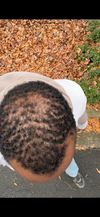
A dermatologist prescribed a topical hair loss treatment containing finasteride, biotin, melatonin, and caffeine without alcohol. The user is skeptical about its effectiveness.
The post and conversation are about a user's 6-month progress using topical dutasteride, 8% minoxidil, tretinoin, 2% ketoconazole shampoo, microneedling, oral finasteride, pumpkin seed oil, Vitamin D3, a men's multivitamin, rosemary oil, and 5% minoxidil foam for hair loss treatment.
Using liposomal solutions with dutasteride, minoxidil, and tretinoin worsened hair loss due to buildup and scalp issues. Consulting a professional and returning to simpler treatments like finasteride and minoxidil improved the situation.
The user is using finasteride 1mg every other day and seeks a topical solution to complement it, excluding minoxidil. They are considering various combinations of ingredients like finasteride, dutasteride, and tofacitinib, with options for nourishing oils and other additives.
Microneedling combined with tretinoin is discussed for its effectiveness in treating hair loss. Minoxidil, finasteride, and RU58841 are also mentioned as potential treatments.
The conversation discusses various hair loss treatments, including Minoxidil, Finasteride, Dutasteride, Ketoconazole shampoo, microneedling, and supplements like collagen, biotin, and vitamins. Users suggest additional treatments like red light therapy, scalp massages, and possibly adding RU58841 or Tretinoin.
OP saw positive results from 4 months of finasteride, vitamin D3, and microneedling. They plan to add rosemary and castor oil but decided against using minoxidil.
A user shared their positive experience with a 4-in-1 topical solution containing finasteride, minoxidil, ketoconazole, and biotin, along with weekly microneedling using a 1.2mm dermastamp. The user reported no noticeable side effects and mentioned that the biotin likely doesn't contribute to hair growth.
The daily regimen includes oral finasteride, topical minoxidil, and witch hazel toner to reduce itchiness. Witch hazel is noted for its hydrating properties and affordability.
The conversation discusses whether oily scalp and sebum can hinder the absorption of topical hair loss treatments like Minoxidil and Finasteride, even when using tretinoin. The user is skeptical about the effectiveness of these treatments due to their oily scalp condition.
Female, 28, losing hair since 17, using 200mg Spiro. Tried Minoxidil and ketoconazole with limited success, considering oral minox and seeking alternative treatments from cosmetic dermatologist.
A 40+ year old is regrowing their hairline using microneedling, minoxidil, tretinoin, low-level laser therapy, massages, and Nizoral, without using finasteride or dutasteride. They noted progress in hair growth below a birthmark, an area that hadn't seen growth since their teenage years.
A user is experimenting with a hair loss treatment involving derma rolling and essential oils, avoiding expensive treatments and medications. They plan to shave their head, use a derma roller three times a week, apply Nizoral twice a week, and use a mix of Rosemary, Peppermint, and Jojoba Oil on non-rolling days.
The conversation discusses using tretinoin for hair loss and whether applying SPF on the scalp is necessary if hair covers the treated areas. The user is considering this treatment despite having no completely bald patches.
The user has been using minoxidil for over a year with little success, added tretinoin cream, and is considering adding red light therapy. They are advised to use moisturizer to counteract skin sensitivity from tretinoin.
Severe scalp itching and hair loss, possibly linked to seborrheic dermatitis, are discussed, with treatments like Dutasteride, Finasteride, and various shampoos mentioned. Some users find relief from itching with DHT blockers like Finasteride, while others suggest consulting multiple dermatologists for accurate diagnosis.
The user is using minoxidil, finasteride, and recently added tretinoin to address hair loss, specifically around a receding hairline. They are seeking advice on application methods and mention experiencing mild skin rashes potentially from tretinoin.
A 26-year-old male is unhappy with his current hair loss routine, which includes microneedling, ketoconazole shampoo, and a topical formula with Minoxidil, Finasteride, and other ingredients. He struggles with consistency due to ADHD and is considering switching to oral medication for simplicity, but is concerned about side effects and effectiveness.
The conversation is about finding a solution for scalp inflammation related to AGA, with the user expressing frustration that Minoxidil and Finasteride do not address inflammation. The user has researched glucocorticoids and topical NSAIDs for reducing inflammation and seeks advice from specialists.
The user has been using topical minoxidil for 4 months and switched to oral minoxidil, considering adding finasteride for better results. They are advised to aggressively treat hair loss with minoxidil for regrowth and finasteride for prevention, while monitoring for side effects.
Seborrheic dermatitis can cause hair loss, and treatments like ketoconazole shampoo, topical steroids, and oral antifungals may help. Some consider using finasteride and minoxidil for hair loss despite dermatitis.
A 20-year-old male is frustrated with his dermatologist for refusing to prescribe DHT blockers like finasteride or dutasteride, instead pushing for a hair transplant despite ongoing hair thinning. The user feels dismissed and unreasonably treated, and is advised by another user to find a better dermatologist and consider finasteride or dutasteride for effective treatment.
A 30-year-old female with telogen effluvium and androgenetic alopecia is using spironolactone, oral minoxidil, vitamin D, iron sulfate, and a hairmax laser band. She seeks recommendations for a dermastamp or derma roller, advised to use no higher than 0.5 mm.
Using a routine of 5% minoxidil, microneedling, and tretinoin for hair loss. The user seeks advice on the ideal weekly schedule for applying these treatments.
User tries dermapen for hair loss and plans to use non-mainstream topicals like c60, ghk-cu, and ptd-dbm with valproic acid. They also use a head massager and modified LLLT belt for additional treatment.
The conversation is about experimenting with topical exosomes for hair loss treatment, alongside microneedling, Happy Head's gel-like topical, and Ordinary's hair serum. The user also mentions the availability of treatments like latanoprost and Redensyl.
The conversation is about dealing with hair shedding due to seborrheic dermatitis and recent illness. Recommendations include treating seborrheic dermatitis with ketoconazole, correcting vitamin D deficiency, and improving sleep.
Using roll-on bottles for applying minoxidil and RU58841 improves application efficiency and reduces product waste. Topical treatments are used continuously, except on microneedling days.
The user is considering adding tretinoin cream to their hair treatment routine, which currently includes minoxidil and finasteride, to enhance results. They seek advice on its effectiveness, usage frequency, side effects, and whether it complements microneedling.
Hair loss treatments discussed include dermarolling, minoxidil, finasteride, and RU58841. Some users find dermarolling sad, while others mention the complexity of biological systems and limited research funding for hair loss.