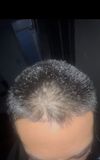
The conversation discusses hair loss treatments, specifically dutasteride, oral minoxidil, and microneedling. Users inquire about side effects, brands, and suggest using topical minoxidil.
The conversation discusses switching from oral to topical treatments for hair loss, specifically using a mix of retinoic acid, finasteride, and minoxidil, after oral treatments like dutasteride and finasteride were ineffective. The user is concerned about the cost and potential impact of dandruff on the absorption of topical treatments.
Using a 1mm derma roller every day with nanoxidil is not recommended; it should be used once a week. The user had no initial instructions and used it nightly for two months.
OP struggles with scalp flakes causing hair loss and has tried Selsun Blue, Ketoconazole, and ZPT Shampoo without success. Suggestions include using salicylic acid shampoo, shaving the head, using Nizoral, and combining treatments like Minoxidil and finasteride.
A dermatologist prescribed a topical hair loss treatment containing finasteride, biotin, melatonin, and caffeine without alcohol. The user is skeptical about its effectiveness.
User noticed beard and sideburn hair loss, and thinning eyebrows, diagnosed with alopecia barbae and male pattern baldness, and prescribed Desonide cream. User seeks feedback on Desonide cream.
Azelaic acid is discussed as a DHT inhibitor with no reported sexual side effects, but its effectiveness and absorption as a topical treatment are questioned. The user is interested in azelaic acid due to concerns about finasteride affecting penile health.
GT20029 is a topical treatment that degrades androgen receptors to prevent hair thinning and loss, potentially offering fewer side effects than systemic treatments like finasteride. Concerns include its impact on hair texture and potential systemic effects, with market availability speculated in 3 to 5 years.
The conversation discusses experiences with topical dutasteride for hair loss, comparing formulations from FUEClinic, MinoxidilMax, and Strut. Users share their results and side effects, with some preferring topical over oral treatments to minimize systemic absorption.
The conversation is about whether to use gloves when applying 5% RU58841 to avoid systemic absorption and if washing hands with water is sufficient. Users question the concern, noting it is applied to the scalp.
A 12-year-old diagnosed with alopecia shares their experience and current treatments, including Dermovate, an unnamed cream, and liquid iron. The community offers support and encouragement.
Dermatologists use treatments like oral minoxidil, finasteride, and RU58841 for male-pattern baldness, considering side effects and patient preferences. Photobiomodulation is noted as mildly effective but costly, while PRP is debated for its effectiveness compared to microneedling.
A 22-year-old experiencing hair loss and persistent scalp itchiness since age 16 has tried various treatments, including finasteride, ketoconazole shampoo, and dietary changes, with no success. Suggestions include consulting a knowledgeable dermatologist, considering seborrheic dermatitis, and trying different shampoos like Selsun Blue or those with selenium sulfide.
The user is using a topical routine of finasteride and minoxidil, noticing increased hair growth, and is considering adding tretinoin for skin issues. Tretinoin may enhance minoxidil's effectiveness, but care should be taken to allow proper absorption to avoid unintended facial hair growth.
A 19-year-old is experiencing worsening hair loss and severe seborrheic dermatitis despite using finasteride for six months. Nizoral (ketoconazole) is no longer effective, and they are seeking over-the-counter solutions and advice for an upcoming dermatologist visit.
A 19-year-old is experiencing early hair loss, possibly due to oily skin, stress, poor diet, and lack of sleep. They have tried ketoconazole shampoo without success and plan to visit a dermatologist for further advice.
Mixing RU58841 with minoxidil compounded with tretinoin is discussed, with concerns about systemic absorption. Topical dutasteride and finasteride are also mentioned as treatments, with varying personal experiences and concerns about side effects.
A 36-year-old is experiencing underwhelming results from derma stamping for hair thinning, using needle lengths of 0.5mm to 0.75mm. They are considering increasing needle length, taking a break, or pairing the treatment with rosemary oil.
The user has DUPA and suspects autoimmune activity as a cause. They have tried various treatments including finasteride, minoxidil, dutasteride, pyrilutamide, estrogel, hydrocortisone, and clobetasol, and are now seeking a long-term immunosuppressant.
The conversation discusses concerns about oral minoxidil potentially aging the face by affecting collagen, questioning its systemic effects. The user has successfully used topical minoxidil for years and is hesitant to switch to oral minoxidil.
High DHEA levels may contribute to hair loss by increasing DHT in hair follicles, potentially explaining why finasteride is ineffective for some. Treatments like high-dose dutasteride and RU58841 are suggested, but the underlying cause, such as adrenal issues, should be investigated.
The conversation discusses using hair follicle dermal papilla exosomes for hair loss treatment. It inquires about purchasing options for this treatment.
The conversation discusses sourcing topical dutasteride for hair loss treatment, with mentions of Dr. Mwamba's products and Farmacia Prati as potential suppliers. Additional treatments like topical tocotrienols and botox are suggested as extensions to the regimen.
The trichologist avoids recommending Minoxidil, focusing instead on changing medications monthly for seborrheic dermatitis, resulting in only slight improvement in hair quality and loss. The user is considering starting Minoxidil independently due to slow progress and personal distress.
Topical antihistamine creams, like diphenhydramine, are being considered for scalp inflammation and itchiness as an adjunct to standard hair loss treatments like minoxidil and finasteride. The user is cautious about oral antihistamines due to potential side effects and is exploring topical options.
A 22-year-old male using 0.5mg Dutasteride and 2.5mg oral Minoxidil daily for 5.5 months reports increased shedding and scalp itching. He also experienced acne and is concerned about whether the shedding is normal and if daily hair washing for seborrheic dermatitis is causing dryness.
Scalp tension may contribute to hair loss by increasing DHT levels, with potential solutions like scalp massages and Botox. Concerns about finasteride's side effects were discussed, and some users shared personal experiences with alternative treatments like scalp massaging and Botox.
User experienced scarring from microneedling at fast speed and paused treatment for 3-4 weeks to recover. Advice given includes waiting a full month for recovery to avoid scars.
A user discusses using dermastamping for hair loss and questions the timing of applying a mixture of peppermint oil, spearmint oil, rosemary oil, and castor oil due to their anti-inflammatory effects. They wonder if waiting 10 hours after stamping would be more effective.
The user has been using minoxidil and finasteride for hair loss but is now considering microneedling due to recent hairline regression. Another user reassures that derma rolling causes only slight redness, which usually heals overnight.