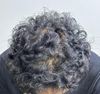
The user reports hair growth improvements after using topical minoxidil, oral finasteride, and weekly dermarolling for about three months, but is experiencing dandruff, possibly due to the minoxidil.
Scalp tension may contribute to hair loss by increasing DHT levels, with potential solutions like scalp massages and Botox. Concerns about finasteride's sideeffects were discussed, and some users shared personal experiences with alternative treatments like scalp massaging and Botox.
The user is seeking advice on maximizing hair growth while using oral finasteride, topical minoxidil, Nizoral, and microneedling, and is considering adding a laser diode cap, topical finasteride, retinol, and caffeine. Suggestions include using tretinoin with minoxidil for better absorption, switching to dutasteride, and considering RU58841 or pyrilutamide.
A dermatologist advised stopping minoxidil due to heavy shedding, suggesting alternative treatments like Betaval Lotion and supplements, but many users disagreed, recommending continuing minoxidil and adding finasteride for better results. The conversation highlights skepticism about the dermatologist's motives and emphasizes the importance of understanding the type of hair loss before choosing treatments.
A user switched from finasteride to dutasteride due to sideeffects and saw significant hair improvement after 7 months, with no sideeffects from dutasteride. They also switched from topical to oral minoxidil, which may have contributed to the positive results.
The conversation discusses whether using 0.1% topical finasteride alongside 0.5 mg oral finasteride is excessive, with suggestions to choose either oral or topical treatment. The user also uses 5% minoxidil and mentions concerns about alcohol-based solutions due to seborrheic dermatitis.
User discusses hair loss treatment progress using Dutasteride for 2 years, RU58841 for 5 months, and oral Minoxidil for 1 year. Some users share sideeffects and experiences with these treatments.
A 19-year-old is experiencing sexual sideeffects after 1.5 months of using topical finasteride and minoxidil for hair loss. They are considering stopping the treatment to see if symptoms resolve and are seeking advice on how long to wait before discontinuing.
A user is concerned about the long-term commitment and potential sideeffects of using oral finasteride and topical minoxidil for hair loss. They are debating whether to accept their hair loss or start the treatment despite mixed results from others.
Tea tree oil shampoo resolved redness, itching, and increased hair thickness for the user, suggesting demodex mites as a possible cause. Nizoral was ineffective, but tea tree oil showed significant improvement over several months.
The user is considering using CB or clascoterone for hair loss, potentially as an alternative to RU. They're also contemplating asking a dermatologist for topical clascoterone cream to apply to their temple.
A user is considering a hair loss treatment lotion containing minoxidil, adenosine, caffeine, melatonin, and azelaic acid, questioning the interaction between caffeine and adenosine receptors. Another user suggests adding a topical anti-DHT ingredient like spironolactone, noting it should not be taken orally by men.
A user shared their experience with microneedling and minoxidil for hair loss, avoiding finasteride due to concerns about systemic hormone effects. They reported slight hair regrowth after one month and plan to continue the regimen, noting improvements in skin sensitivity and managing dandruff with anti-dandruff shampoo.
OP used minoxidil for 15 months and pyrilutamide for 46 days, achieving desired results without sideeffects. Users discussed alternatives like dutasteride and finasteride, with concerns about sideeffects like erectile dysfunction.
The user experienced no significant improvement in hair loss despite using Dutasteride, oral Minoxidil, and previously RU58841, and is uncertain if changes in medication or stopping RU58841 worsened the condition. Some users noted no change or slight improvement, while others suggested the possibility of Dutasteride causing issues.
A male with early-stage hair loss experienced severe sideeffects, including sexual dysfunction from finasteride and increased heart rate and fatigue from high-dose minoxidil, leading to discontinuation of both treatments. He is now relying on DHT-blocking shampoos and awaiting new treatments.
A 30-year-old male using oral Finasteride, topical Minoxidil, and bi-weekly dermarolling has experienced noticeable hair regrowth, including new hairs at the hairline and temples, with reduced hair shedding. He reports no sideeffects from Finasteride after initial lethargy and mood changes.
A user suggests that a .25% topical finasteride solution could reduce scalp DHT levels without affecting bloodstream DHT levels, potentially avoiding sexual sideeffects. They question why a 2.5% solution was chosen and if a custom .25% solution can be ordered.
Hair loss discussion includes topical Spironolactone's effectiveness and minimal sideeffects. Community members share personal experiences and opinions on its use.
The user is experiencing severe sideeffects from finasteride, including sleep issues, depression, and gynecomastia, and is considering stopping the medication. They are exploring other treatments like RU58841 and dutasteride but are hesitant due to potential sideeffects.
The user shared a 3-month progress update on hair loss treatment using oral finasteride, oral minoxidil, dutasteride, ketoconazole, biotin, collagen shampoo, dermarolling, and scalp massage, noting some sideeffects like decreased libido and low mood. The user received feedback and questions about their regimen, including why both finasteride and dutasteride are used.
AH-001 is a new topical treatment designed to degrade androgen receptors, targeting the root cause of androgenetic alopecia without the sideeffects of oral treatments like finasteride. It has shown a strong safety profile and good local tolerability in early trials.
Oral minoxidil treatment increased hair density and shaft caliber in AGA patients. Sideeffects included hypertrichosis and lower extremity edema, with younger patients experiencing fewer sideeffects.
The user experienced significant hair regrowth and no sideeffects after 14 months of using oral dutasteride and topical minoxidil. They initially had sideeffects with finasteride but found success with dutasteride, noticing hair stopped falling out within a few months.
A 34-year-old man with diffuse hair loss experienced regrowth and hair thickening using daily Dutasteride, oral and topical Minoxidil, a specialized shampoo, and microneedling. He switched from Finasteride to Dutasteride after seeing significant improvement in a peer, reporting no sideeffects.
The conversation humorously discusses starting oral microneedling for hair loss, with mentions of sideeffects like internal bleeding and abdominal pain. It also references using treatments like minoxidil and finasteride, with exaggerated and satirical comments on their effects.
The conversation discusses using Rogaine (Minoxidil) and ketoconazole for hair regrowth, with interest in trying a formulation with Azelaic Acid for potentially better results. Concerns about Azelaic Acid's effectiveness and safety, including skin sensitivity to sunburn, are mentioned.
Alcohol-based minoxidil absorbs better but can cause irritation; non-alcohol-based is gentler. Topical dutasteride shows promise but needs more research; low-dose oral minoxidil (0.25 mg/day) is effective with fewer sideeffects. Ingredients like Procapil, Redensyl, caffeine, and Anagain in shampoos have limited evidence; ketoconazole shampoo can help when used 2-3 times a week with other treatments.
A 19-year-old male is considering switching from topical to oral Minoxidil and finasteride due to unsatisfactory results but is concerned about potential sideeffects. It is suggested to start with low doses of oral versions to test tolerance, as they may be more effective but carry higher risks.