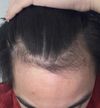
A 17-year-old is experiencing rapid hair loss from NW1.5 to NW3 in six months and feels dermatologists are unhelpful. They are using Minoxidil (Rogaine) and seeking advice on application.
An 18-year-old started taking finasteride for early-stage hair loss, prescribed by a dermatologist who advised against waiting due to potential follicle loss. The conversation includes differing opinions on starting finasteride early, with some users sharing personal experiences and concerns about potential side effects.
The user is seeking a way to obtain 5mg finasteride in Germany, as local dermatologists refuse to prescribe it. They are considering online options but have only found 1mg pills available.
Oral minoxidil and vitamins reduced shedding for one user. Others distrust dermatologists and prefer personal research on treatments like finasteride and microneedling.
A user is seeking advice on using finasteride and minoxidil for hair loss after being unhappy with their dermatologist's advice. They are considering getting finasteride on their own due to prescription challenges.
A user is experiencing rapid hair loss and has been diagnosed with telogen effluvium by multiple dermatologists, but doubts the diagnosis due to the severity and speed of the hair loss. They are considering various treatments like spironolactone, estradiol, and possibly finasteride, while also exploring the possibility of hormonal imbalances or autoimmune issues.
A user named Mmherak is experiencing hair loss, with low B12 and iron deficiency, and has been recommended minoxidil and spironolactone by dermatologists. Other users suggest seborrheic dermatitis or dandruff, recommending treatments like Nizoral shampoo, ketoconazole, and Selsun Blue.
How diffuse unpatterned alopecia (DUPA) is not an invitation to self-diagnose oneself with aggressive AGA and that seeking a specialized dermatologist may help people experiencing hair loss. Treatment options discussed include topical clobetasol propionate, oral minoxidil, and discontinuing finasteride.
25-year-old male with Norwood 2 hair loss tried PRP injections without success. Dermatologists didn't recommend finasteride or minoxidil, but suggested PRP + Mesotherapy for 50% improvement.
A 25-year-old is considering starting finasteride to address hair thinning and plans to consult a dermatologist in July. They are hopeful finasteride will help thicken miniaturized hairs around their hairline.
A user is starting a hair loss treatment with Minoxidil (5 mg oral and 10% topical), Dutasteride, and Zinc, and is concerned about the high dosages. Other users suggest following the dermatologist's advice, starting with topical treatments, and discussing dosage concerns with the doctor.
The user experienced significant hair regrowth using 2.5 mg minoxidil and 1 mg finasteride prescribed by a dermatologist, with no negative side effects reported. The progress has inspired others to try similar treatments for hair loss.
A user in their mid-20s is considering using oral Dutasteride, prescribed by a dermatologist, alongside topical Minoxidil, Finasteride, biotin, and zinc for hair loss. Other users suggest Dutasteride is more effective than Finasteride for regrowth, despite not being approved for hair loss in the U.S.
A 21-year-old with a family history of early balding is advised to see a dermatologist to confirm androgenetic alopecia (AGA) and consider treatments like finasteride or dutasteride to prevent further hair loss, and minoxidil, possibly with tretinoin, to regrow hair. Caution is advised with oral minoxidil, and a cardiologist should be consulted before use.
Topical spironolactone is discussed for hair loss treatment, with mentions of DIY solutions and dermatologist compounding. Users inquire about regrowth and sourcing the treatment.
A 19-year-old male with diffuse and crown thinning is considering starting minoxidil as advised by a dermatologist but is unsure if he should seek a second opinion. Another user suggests consulting a reputable dermatologist to avoid wasting resources.
The individual is considering starting hair loss treatment with dutasteride, prescribed by a dermatologist, due to concerns about finasteride side effects. They are also interested in the potential benefits of reducing DHT and are contemplating whether to maintain a shaved head or pursue treatment.
A 17-year-old is frustrated with hair thinning and receding temples, seeking advice after a dermatologist dismissed concerns. Suggestions include starting Minoxidil for regrowth and considering Finasteride if androgenetic alopecia is suspected.
The conversation is about a user concerned about a prescribed 5 mL daily dose of 5% minoxidil for seborrheic dermatitis and hair thinning, which seems excessive compared to the typical 2 mL recommendation. The user is advised to consult their dermatologist and consider additional treatments like ketoconazole and CBD+MCT.
The user has been using minoxidil for 8 months with positive results and is considering adding finasteride as recommended by their dermatologist. They seek advice on whether to start finasteride to maintain their hairline.
A 68-year-old woman with iron deficiency and hypertension is considering using 5% minoxidil for hair regrowth and plans to see a dermatologist. Some suggest using wigs and focusing on health, while others recommend checking for hormone imbalances and nutritional deficiencies.
A 20-year-old experiencing hair thinning became depressed and sought treatment. The new dermatologist prescribed a routine including topical minoxidil, finasteride, derma stamping, Nizoral shampoo, rosemary oil, and scalp massages.
The conversation is about someone seeking a finasteride prescription for hair loss and considering paying out of pocket for a dermatologist because they can't find one covered by insurance. They want advice on ensuring they get the prescription and not just a recommendation for biotin pills.
A 21-year-old male from Bangladesh is experiencing hair loss and was advised by a dermatologist to use ketoconazole shampoo, anti-fungal treatments, biotin, and 5% minoxidil, with finasteride to be considered after six months. The user is unsure whether to follow this advice or start finasteride immediately alongside minoxidil.
Switching from finasteride to dutasteride worsened hair loss and caused a burning sensation. Users suggest sticking with finasteride, using ketoconazole shampoo, and consulting a dermatologist.
The user has been experiencing worsening hair loss despite using finasteride, minoxidil, and later switching to dutasteride. Despite normal bloodwork and consulting dermatologists, the hair loss continues without improvement.
A 23-year-old male has been using finasteride, oral minoxidil, and dutasteride for a year to combat hair loss but sees no improvement and continues to lose over 100 hairs daily. Despite trying various treatments and consulting dermatologists, he feels hopeless and considers stopping the medications.
Minoxidil and spironolactone are recommended for female hair loss, and they can be used together. A dermatologist visit is advised to confirm the type of hair loss and rule out other issues.
A 25-year-old experiencing hair thinning all over the body and head, despite using minoxidil and having low vitamin D levels, is advised to seek a second opinion from a dermatologist specializing in hair loss. The likely diagnosis is diffuse alopecia areata, which may require treatment with a JAK inhibitor.
Despite using finasteride for 1.5 years and oral minoxidil for nearly a year, hair shedding continues, prompting a dermatologist visit. Users discuss the inconsistency of treatments, with some experiencing worsened hair conditions and others noting side effects like increased shedding after workouts.