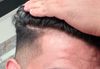
User applied topical Minoxidil 5% and Finasteride 0.1% daily, with rosemary oil weekly, and saw initial baby hair growth. They plan to add derma stamping and Redensyl serum.
The conversation is about obtaining custom-compounded topical finasteride in Germany due to side effects from oral finasteride. The user seeks a lower concentration solution separate from minoxidil, and others suggest self-mixing or trying alternatives like dutasteride.
A user shared their 14-month progress using finasteride, minoxidil, and dermarolling for hair loss, showing before and after pictures. Replies included brief comments and a question about the user's identity.
A user shared their 20-week progress using topical minoxidil (5%) and finasteride (0.1%) with a 1mm dermastamp, showing significant hair regrowth from NW5 to between NW3V and NW4. They experienced no side effects and plan to update at 12 months.
Topical Dutasteride 0.05% twice a week and Dutasteride Mesotherapy 0.01% once a week showed noticeable improvement in hair loss over six months without side effects. The user plans to add Minoxidil tablets 2.5mg daily to their treatment.
The conversation discusses using retinol to enhance minoxidil's effectiveness for hair loss, with a user considering The Ordinary's 0.5% retinol and seeking advice on azelaic acid concentration. Other users suggest using tretinoin instead and consider pre-formulated products combining minoxidil, tretinoin, and azelaic acid, but the original poster has not seen improvement from dermarolling.
Hair mesotherapy with dutasteride is popular in Europe and can be effective, especially when combined with oral dutasteride. Some users suggest using topical dutasteride with microneedling as an alternative, though it may be painful.
A user had a disappointing dermatologist appointment where they were denied prescriptions for Dutasteride and oral Minoxidil for hair loss and were only offered a hair transplant referral. Other users sympathized, discussed self-medication, and suggested consulting a transplant doctor for up-to-date treatments.
A user shared progress pictures showing hair improvement after using a dermaroller and a mix of rosemary oil with jojoba oil three times a week for less than six months. Another user asked for clarification on the frequency of dermarolling and oil use.
A user ordered a topical dutasteride gel with tretinoin for hair loss after unsatisfactory results with minoxidil and finasteride. Another user shared their experience with the same product, noting its pleasant smell and feel but difficulty in application and uncertainty about its absorption and frequency of use.
KX-826 failed Phase III trials due to high placebo effects, patient compliance issues, COVID-19 side effects, and detection method deviations. KX-826 is now marketed as a cosmetic and approved for combination with Minoxidil.
The post discusses a user's 2-month progress in treating hair loss using topical Du once a week, microneedling, and red light therapy. The user notes that red light therapy is primarily for face and body inflammation but also applies it to the scalp.
The post and conversation are about skepticism towards a new hair loss treatment containing 2-deoxy-D-ribose, copper peptides, and exosomes, with concerns about the legitimacy of the product and its website. The treatment's effectiveness and authenticity are questioned due to lack of testing and transparency.
The conversation is about a user who has been bald for 15 years and is trying to regrow hair using a dermaroller, minoxidil, nourishing serums, biotin supplements, and mesotherapy. Other users suggest using finasteride or dutasteride for better results.
A user's 9 month progress using Finasteride, Derma Pen/Roller and Minoxidil to treat hair loss. Replies in the conversation include advice on topical application of Minoxidil and Dutasteride for regrowth and hair thickness.
Finasteride may help users look younger by suppressing DHT, affecting skin and hair. Users also emphasize skincare, sunscreen, and lifestyle for maintaining a youthful appearance.
The user started treating their slightly thinning, receded hairline with a serum containing Redensyl and other ingredients, and dermarolling weekly. They recently began taking finasteride and plan to stop Redensyl in the future to test if hair loss resumes.
A 34-year-old male has been using a topical minoxidil and finasteride solution for hair loss and was prescribed oral finasteride by a dermatologist. He questions the necessity of monthly consultations since the prescription remains unchanged.
The user "dsx460" shared their progress pictures of hair regrowth using a combination of topical finasteride, minoxidil, microneedling, and a keto diet. They are happy with the progress and hope for further improvement.
The conversation discusses hair loss treatments, specifically using topical finasteride and minoxidil combined with microneedling, along with supplements like collagen, vitamin C/D, and saw palmetto. The user also mentions using a DHT-blocking shampoo and experimenting with cold showers and contrast therapy for hair health.
The user started using topical and oral Minoxidil in December 2024, added ketoconazole shampoo in February 2025, and began using topical Dutasteride mixed with Minoxidil. The ketoconazole shampoo stopped scalp itchiness, but the hairline looks the same, with existing hairs appearing frail and thin.
The user is using a hair loss treatment involving dutasteride, minoxidil, finasteride, microneedling, and supplements like multivitamins, D3 K2, and Omega 3 fish oil. They are considering adding tretinoin and are open to suggestions while managing gut issues.
Veradermics' extended-release oral minoxidil is expected to be commercially available in 2027-2028, while another company, Minx, may release a similar product sooner. VDPHL01 is considered more clinically validated compared to Minx.
The conversation is about a person using oral minoxidil, biotin multivitamins, dutasteride lotion, a hair growth serum with redensyl, capixyl, and procapil, ketoconazole with zinc shampoo, and monthly PRP treatments with a derma roller for hair growth. Someone encouraged them to continue with their regimen.
Microneedling is debated for hair loss treatment, with some users finding it beneficial for minoxidil absorption and others skeptical of its effectiveness. Alternatives like finasteride and minoxidil are recommended, while tools like dermarollers, dermapens, and dermastamps are discussed for their pros and cons.
Dutasteride mesotherapy combined with topical minoxidil led to some hair regrowth, but taking dutasteride pills every 2-3 days showed more noticeable results. The user did not try finasteride, as their dermatologist recommended dutasteride for better outcomes with fewer side effects at a reduced dosage.
A 37-year-old male stopped using finasteride and minoxidil due to side effects and switched to derma rolling, scalp massaging, and Revita shampoo, resulting in thicker, healthier hair with new growth. Users discuss the effectiveness of mechanical scalp stimulation, with some sharing similar positive experiences and others expressing skepticism.
A user experienced dark under-eye bags while using Minoxidil, which improved after switching from liquid to foam but led to hair loss. They also used retinol cream and a dermastamp but are seeking advice on effectively combating eye bags.
Minoxidil may cause skin aging effects like wrinkles and dark circles, but evidence is mixed. Alternatives like dermarolling and retinol are suggested.
The user is starting a hair loss treatment including topical finasteride/minoxidil, derma rolling, ketoconazole shampoo, vitamins, exercise, and quitting caffeine. They are seeking advice on derma roller needle size, potential side effects, and additional recommendations.