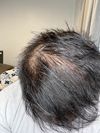
The conversation is about severe Vitamin D deficiency and its potential link to hair loss. The user is already using oral finasteride, topical finasteride, and topical minoxidil for aggressive hair loss.
KPV, a peptide patented by L'Oreal, may promote hair growth and reduce hair loss by extending the anagen phase and has anti-inflammatory properties. It could be combined with treatments like minoxidil for enhanced effects.
The user applied topical minoxidil and finasteride daily for 3 months and noticed progress in hair growth. Another user recommended collagen for hair growth and other benefits.
Finasteride and minoxidil use resulted in a more youthful appearance and improved skin. There is debate about their effects on collagen and skin aging, with no solid evidence supporting significant changes due to finasteride.
The conversation is about a user's hair loss treatment regimen, which includes Dutasteride, oral Minoxidil, topical Dutasteride, Minoxidil sulfate, antioxidants, and various supplements. The user is also using a derma stamp and has paused Tretinoin due to a TCA peel recovery.
User experienced bad reaction to minoxidil and asks if anyone tried stemoxydine alone for hair loss. They consider trying stemoxydine with low dose topical finasteride after testing stemoxydine on a small area.
A user takes 5mg oral minoxidil, oral dutasteride, topical tretinoin, stemoxydine, topical minoxidil, and uses dermarolling for hair loss but sees less impressive, patchy regrowth compared to others. Another person suggests some online results may be enhanced with hair fibers, not just medication.
The user experienced new hair growth after switching from oral finasteride to topical RU58841 with minoxidil and undergoing stem cell therapy. They noticed new hairs at the hairline and temples, but are unsure which treatment is responsible.
Winlevi (clascoterone) is discussed as a treatment for hormonal acne and seborrheic dermatitis due to its ability to block DHT and regulate sebum production. The post suggests that Winlevi could offer a novel approach for managing seborrheic dermatitis.
Switching from 2% liquid minoxidil to 5% foam minoxidil reduced scalp irritation but increased eyebrow flakiness and thinning. The user speculates that propylene glycol in the liquid formulation might have been protecting against seborrheic dermatitis while causing contact dermatitis.
The conversation discusses mixing finasteride (Essengen-F) with a multi-peptide serum for hair density. The main concern is whether these products can be used together safely.
The conversation discusses hair loss treatments, specifically topical dutasteride, minoxidil, and finasteride. Users share experiences and opinions on the effectiveness and side effects of these treatments.
The conversation is about purchasing dutasteride solution for mesotherapy, with a suggestion to make it using dutasteride capsules and oils. A user shared a link to a potential supplier and mentioned using dutasteride with microneedling.
A group buy for testing a compound targeting Twist1 protein as a potential hair loss treatment. Inhibiting Twist1, which keeps hair follicles in growth phase, may prevent hair loss with minimal side effects.
The user is starting dutasteride mesotherapy and seeks information on checking serum DHT levels in Germany. They previously tried finasteride but experienced unpleasant side effects.
Hair loss is linked to the loss of stem cells in hair follicles, and potential treatments include gene editing and microneedling. Discussions also mention using Minoxidil, finasteride, and dermarolling to improve hair growth.
A user shared progress pictures showing hair improvement over 85 days using 1mg finasteride daily, 1ml minoxidil nightly, and weekly microneedling. Another user commented on the positive results and shared their own treatment hopes.
The user experienced significant hair shedding after using a dermapen at 1.5mm weekly, which they later realized was too much. They are now using a dermapen at 0.75mm weekly and are also using topical minoxidil twice daily and finasteride 1.25mg daily.
The user is using a combination of finasteride, dutasteride, oral and topical minoxidil, PRP, and stem cell treatments for hair loss. They report slowed shedding and new vellus hairs on the hairline, questioning if they are a strong responder to the treatment.
The user is considering a hair transplant for their crown area while taking 0.5mg of dutasteride daily. Suggestions include using 500-800 grafts, adding minoxidil to the routine, and using hair fibers to improve appearance.
The conversation is about comparing the effectiveness of fluridil and clascoterone in preventing hair loss and inquiring about their use as standalone treatments. There is a question about the concentration of the fluridil brand for efficacy.
The user has been using finasteride 1mg for a year and minoxidil 5% for 1.6 years, with inconsistent dermarolling, and is considering switching from topical to oral minoxidil due to hair dryness. They report increased hair thickness and no side effects, with plans to consult a dermatologist about the switch.
The user shared their 8-week hair regrowth progress using 0.5mg dutasteride, twice-daily topical minoxidil, and weekly 1.5mm microneedling. They noted visible improvement, though some users suggested reducing microneedling depth to avoid potential scalp damage.
Eucapill 2% used for 1 month reduced shedding from 200 to 10/20 hairs daily with no side effects. Finasteride caused side effects like ED and watery semen.
The user reports using Finasteride 1.1 mg, Minoxidil 3 mg, Biotin daily, and occasionally a dermapen from May 24 to July 22. They observe some improvement in hair regrowth, especially around the temples and crown.
The user shared progress pictures showing improvement in hair growth after one year of using finasteride and minoxidil. They are considering microneedling to further improve their hairline and have chosen to use a derma stamp.
TWIST-1 gene's role in hair loss and potential as a treatment target. Inhibiting TWIST-1 may prolong hair growth and reduce hair follicle sensitivity to DHT.
The conversation discusses hair loss treatments, specifically Setipiprant, finasteride, and bimatoprost. Setipiprant is suggested for maintenance, while bimatoprost is for regrowth, and combining them with dermarolling is recommended for better results.