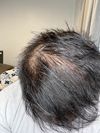
A user's experience with the Big 3 (minoxidil, finasteride and RU58841) hair loss treatment along with dermarolling. The dermaroller pin was 1.5mm used once per week and drew some blood but not a lot.
The user noticed hair regrowth after supplementing with vitamin D, magnesium, zinc, and vitamin B12, alongside using minoxidil for 3 years. They observed a lower hairline and improved density, supported by photographic evidence.
The user experienced significant hair shedding after using a dermapen at 1.5mm weekly, which they later realized was too much. They are now using a dermapen at 0.75mm weekly and are also using topical minoxidil twice daily and finasteride 1.25mg daily.
A topical solution called "Multi-Peptide Serum for Hair Density" by The Ordinary Company, which contains several ingredients that are used in alternatives to Minoxidil and was found to have better results than 5% Minoxidil in a study. People who have tried it shared their experiences with the serum as well.
User uses Indian hair serum with procapil and procyanidin b2, stopped minoxidil due to allergies. Seeks advice on hair wash techniques and products for shoulder-length hair and scalp care while using hair growth serums.
The user reports a stable receding hairline with new hair growth after using 5% minoxidil, 1mg oral finasteride, D-Biotin daily, derma rolling twice a week, and three PRP sessions per month. They plan to update their progress in four months.
PP405 shows promise for hair follicle reactivation with minimal side effects. Users recommend continuing Minoxidil and Finasteride until more results are confirmed.
David Barreto shared that a London-based research group is conducting a 12-month trial for a new nutraceutical treatment for pattern hair loss, designed with Dr. Carlos Puig. The trial aims to provide robust data, with results expected in 1-2 years, potentially representing a significant advancement since finasteride’s introduction in 1997.
A user's 9 month progress using Finasteride, Derma Pen/Roller and Minoxidil to treat hair loss. Replies in the conversation include advice on topical application of Minoxidil and Dutasteride for regrowth and hair thickness.
Minoxidil users discuss skin-care routines to counteract side effects like dark circles and dull skin. Recommendations include vitamin C, potassium, collagen, retinol, nizoral shampoo, and emu oil.
The user shared their 12-month hair regrowth progress using 1mg finasteride, 5mg oral minoxidil, and topical minoxidil. They also used a derma stamp weekly and treated seborrheic dermatitis with Mometasone and Nizoral.
GT20029, a new hair loss treatment, shows promising results but only a slight improvement over placebo. People are cautiously optimistic, discussing its potential and combining it with existing treatments like Minoxidil and Finasteride.
GHK-Cu peptide injections are discussed for hair growth, but users report mixed results and suggest focusing on DHT management first. Some users combine GHK-Cu with treatments like Minoxidil and Dutasteride, but emphasize its benefits for skin rather than hair.
The user reported slight improvement in hairline using 1% Clascoterone cream over three months but found it too costly to continue. They expressed interest in trying a 5% concentration if it becomes available at a reasonable price.
GT20029 shows promise as a topical treatment for hair loss, potentially replacing finasteride for some due to its low systemic exposure and ability to degrade androgen receptors. However, skepticism remains about its long-term efficacy and availability, with some users expressing doubt about new treatments consistently failing to reach the market.
The user is using Minoxidil, RU58841, CB-03-01, WAY-316606, Ketoconazole, MK-677, and derma stamping to treat hair loss and has noticed new hair growth, especially around the temples and hairline. They apply different treatments at various times of the day and have seen improvements in skin condition and body hair texture.
Hair loss discussion involves minoxidil, finasteride, and RU58841. Minoxidil non-responders may see results after adding stemoxydine due to increased enzyme presence.
Clascoterone 5% solution is discussed as a potential new treatment for hair loss, offering an alternative for those who can't use finasteride or need additional options beyond minoxidil. Concerns about cost, effectiveness, and safety compared to existing treatments like RU58841 and finasteride are highlighted.
A user's successful 6-month journey with Minoxidil, Finasteride and 0.05 Derma Rolling to regain their hairline, eyebrows, facial hair and overall youthful look. They also discussed the use of topical minoxidil for eyebrow thickening, as well as other skincare routines and healthy lifestyle habits.
BPC-157 may promote hair growth by increasing angiogenesis, similar to how Minoxidil works, though no direct research confirms this yet. Users report combining BPC-157 with Minoxidil and finasteride for better results, but concerns about long-term safety exist.
The user is allergic to minoxidil and plans to try Redensyl hair serum and derma rolling for hair regrowth. They cannot start finasteride until age 18.
The user is using a regimen of 0.5mg dutasteride, 5% minoxidil foam at night, hair gummies, and rosemary water in the morning to address hair loss. They are experiencing some regrowth and are advised to be patient, with suggestions to possibly increase minoxidil application to twice a day for better results.
The conversation is about two new videos on exosomes, focusing on how they work and a Q&A session about their use. Specific treatments for hair loss are not discussed.
The user is considering using "Grow Gorgeous Intense Hair Density Serum" alongside Minoxidil and is currently taking Finasteride. Some users doubt the serum's effectiveness, while others suggest it may help with hair strength and thickness, but opinions are mixed.
Loose-Message9596 has been experiencing hair loss for 3-4 years, initially due to low ferritin and vitamin D levels, and has tried treatments like vitamins, System 4, and PRP therapy. They are considering starting finasteride and minoxidil but are unsure due to their relatively low DHT level of 425.
Magnesium L-Threonate may help treat balding by reducing DKK-1 expression without affecting DHT. Users discuss its potential effectiveness and application methods, with some considering trying it topically.
Liquid minoxidil makes hair sticky and stiff; users suggest oral minoxidil or minoxidil foam as alternatives. Applying minoxidil four hours before showering can help with absorption.
The conversation discusses the optimal amount of Propylene Glycol in Minoxidil for better absorption. It focuses on enhancing the effectiveness of Minoxidil in treating hair loss.
Users discussed hair loss treatments, specifically 0.1% latanoprost with melatonin, caffeine, and biotin. Other treatments mentioned include minoxidil, finasteride, RU58841, and microneedling.